
Nicola Hunter: Lost Bodies
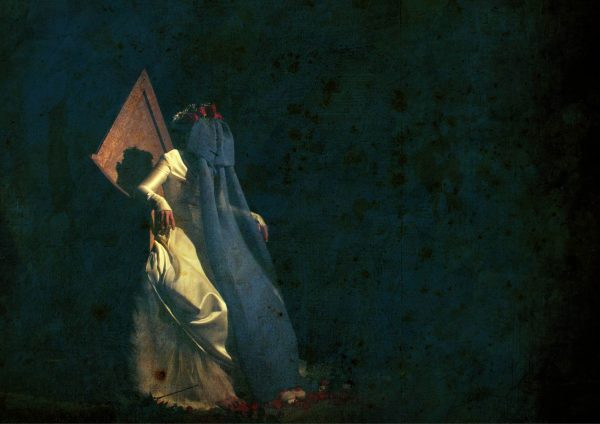
To continue their successful [Live} Art Club series - which aims to highlight the vast range of performative art practises across the country – Norwich Arts Centre will be hosting a rather striking individual; Nicola Hunter. A decade of work lingers in the background, varying wildly but, ultimately, finding common ground within her own experience and body. From blood to breast milk, it is hard to imagine anything more cerebral. Simply viewing the teaser trailer that promotes her upcoming performance, entitled Lost Bodies, ensures that it is very easy to imagine how one may feel when in a dark room, exposed to such vivid imagery and sound; the repetitive, hollow thud of a drum and soft shuffling as she crawls, alongside extensive periods of emotive ululation. I asked her a few questions with regard to this piece.
Firstly, who are you and what do you do?
I am an artist and a mother, born in the UK. I make multi-disciplinary art works, which are responses to my lived experiences and my political views. For me the personal is political and the political is personal.
What will the performance entail – and why is there blood on those stilettos?
Over the last decade, I have created many different works, which involve the use of my body as material and/or site. I use fluids from my own body for many different reasons relating to each particular piece but for Lost Bodies, the shoes are a calling to the darkness. They hold blood from my body, where the collection in itself is a ritual; it becomes an offering and a portal during the performance.
This piece looks quite evocative – dark, intense and powerful – what is the purpose of this, and how is it manifest?
Lost Bodies is an incredibly personal piece of work, it is about the stages and waves of grief and each time I create the work I go on an authentic journey with it. I have Alison Brierley and Sarah Glass as co-performers who are also journeying with me through our multi-layered collaboration. Alison is my spiritual guide; she prepares the space for transformation, leads me through it and then closes the portal. Sarah Glass and I designed and developed the sound score, which enables me to follow the correct path. Together we take our witnesses on a sensory adventure.
It is fairly clear within the images currently available that your influences can be found within both Old English and religious iconography. As Norwich Arts Centre is a repurposed fifteenth-century church, does the work take on a more robust meaning due to its location?
We have so far had the pleasure of creating Lost Bodies in some fantastic venues and we also have some beautiful spaces lined up for the rest of the tour across the UK. My producer Xavier de Sousa and I were very particular in looking for churches or venues with a particular style and history. The acoustics of the buildings are amazing and fit the aesthetic of the work.
Alongside these evident aesthetic elements, the surrounding musical affects hint of a more tribal undertone – why is this, and how does it relate to the previous symbolic representation?
This piece is about the old me and the new me. It is about the journey that I went on to transition and to shed a skin. The journey into the new began with a project that I began in 2014 called Raising the Skirt (www.raisingtheskirt.com) and through this howling, naked, connecting with the earth and my subconscious, listening deeply to my intuition and making connections with some fierce and wonderful humans, the project ignited my fire again. It was in the second year of the project that I met Alison and we connected on a very deep level. Drumming is a huge element of transcendental ritual and the drum we use is hand made by Alison, and the vibrations and sound from the drum is another way to connect with the audience.
The writing around the show implies an inherently individualized narrative. This, alongside the presence of your semi-naked body, pushes the notion of an intimate, personal context. How does it feel as a performer to lay yourself bare in this way?
My work is always built on personal experience, this piece in particular is about a time my life where I felt very separate to my body, the piece is about finding my voice and connecting with my gut instincts – and in doing so I find my well buried wild.However, it is important to me that I do not open old wounds and so each piece is made for the eyes and the belly of the beholder, I hope that I offer enough layers in the work so that each person involved in the work has enough to want to investigate and go on the journey with me.
Despite this, your face is covered for a lot of this performance - why?
The veil is a reference the French folktale of Blue Beard, I am unable to see through the beard that blinds me.
On a purely human level, getting naked on a stage must be terrifying! What motivates you to do this on such a regular basis?
What is so terrifying about the female body? The experiences I have had in my body inform the work, my body has lived, I have grown children, I have enjoyed lovers. I am empowered in my own body and it is quite a shame that just because I have breasts, that I am not allowed the same freedoms as men.
In a recent show in the Arts Centre’s [Live] Art Club series – of which you are now a part – an artist named Catherine Hoffman also showed a similar amount of skin. Do you believe that the exposed female form is important to performative work, or is it just a useful tool to assure impact?
Being nude in part of this work is not to assure impact, nor do I wish to make a generalised statement that women should expose themselves within their performative practices. It is important to the individual as to how they use their own body in their work for whatever reason they wish to do so, to not feel shame nor fear.It is important that we have access to images of real unaltered bodies; that we truly invest in breaking down shame around the body and to build dialogues around sexual empowerment for women.There is conceptual reasoning in each piece as to whether I bare my skin or not.
What do you hope an audience to take from this? Will they be able to relate to a specific element, or grow somehow from the experience?
I cannot expect nor demand that an audience take something away, or be specific about the kind of experience that one should have. However, if people find themselves feeling present, walk away with the questions and/or are moved in some way then I am happy.
Who should come to your show – is there an ideal demographic?
18+
What would be your recommended drink pairing – red wine?
Stiff whisky? - I do like a good red before my show.
Nicola Hunter is at Norwich Arts Centre on Wednesday 17th May – the event is Pay What You Can. For more information, please visit nicolahunter.com - or the Norwich Arts Centre website
Photos:Vela Oma & Fenia Kotsopoulou
More Theatre Reviews
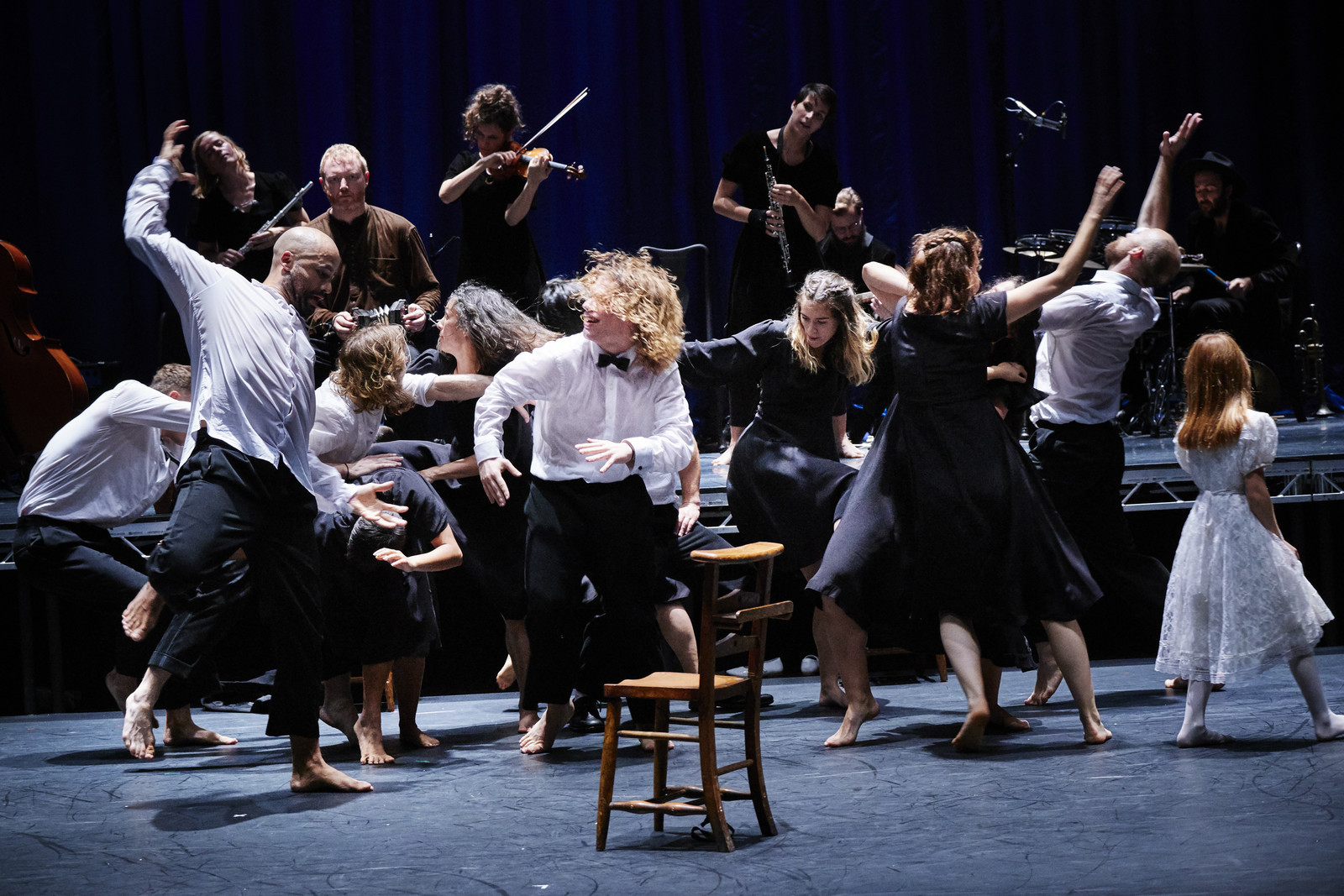
Teaċ Daṁsa / Michael Keegan-Dolan - MÁM
Teaċ Daṁsa / Michael Keegan-Dolan - MÁM
Those that see this show will leave with a renewed sense of warmth and hope in their souls. It is a visceral tribute and testament to the music, the traditions and the culture of the people of the Kerry coastline
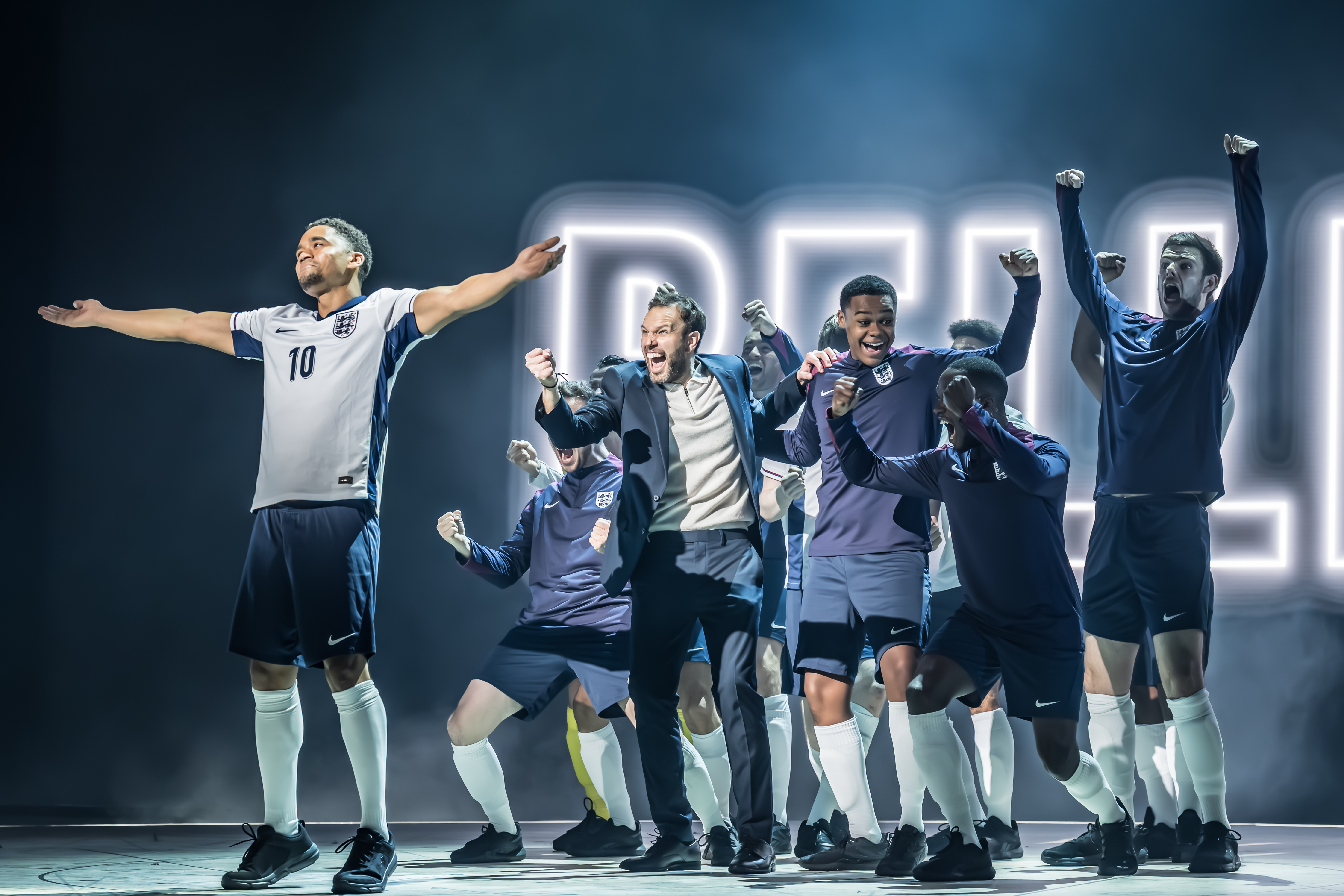
Dear England
Dear England
This play about football was not really about football at all. It was a play about male bonding, humanity, mutual respect, facing your demons, and about meeting with triumph and disaster, and treating those two impostors just the same.
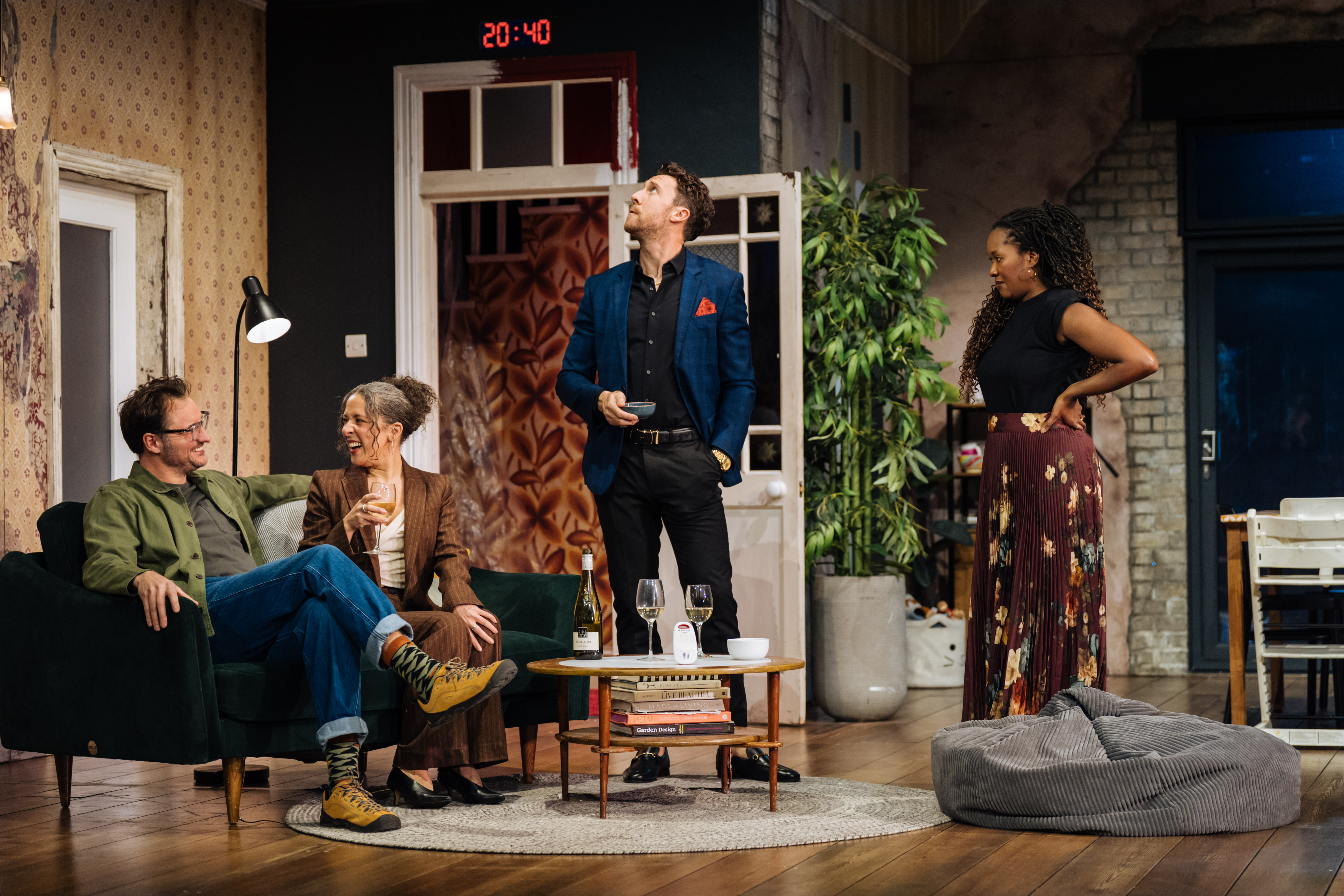
2:22 A Ghost Story
2:22 A Ghost Story
This is a ghost story, not a horror story, with an uneasy atmosphere of impending doom. The play is handsomely staged, with subtle but effective use of sound and lighting. Along the way we get red herrings, misdirection and tension-busting humour. Robins even lobs in class-conscious social commentary into the mix.
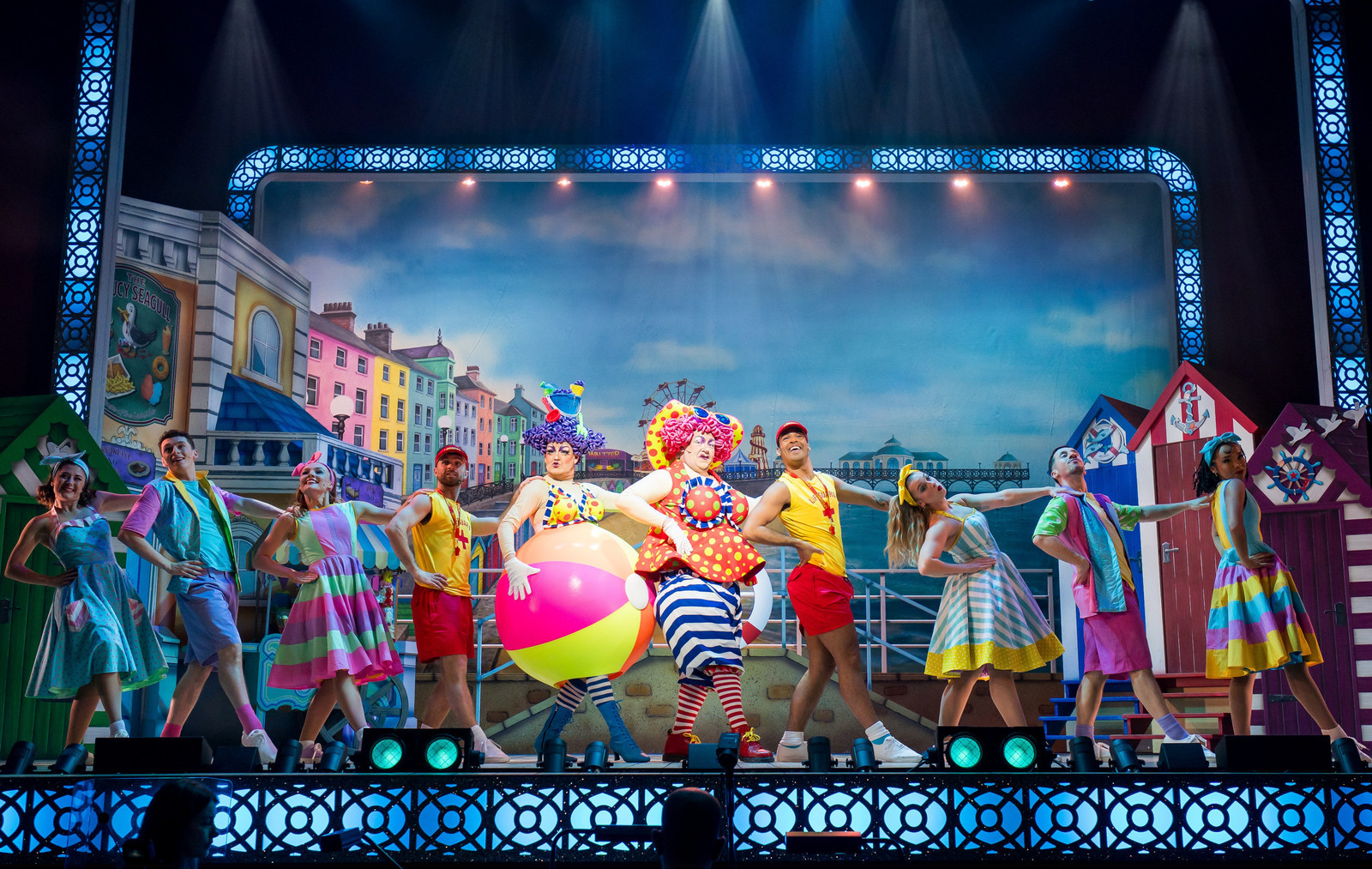
Cinderella
Cinderella
Spectacular, colourful, funny and polished. What more could you ask?
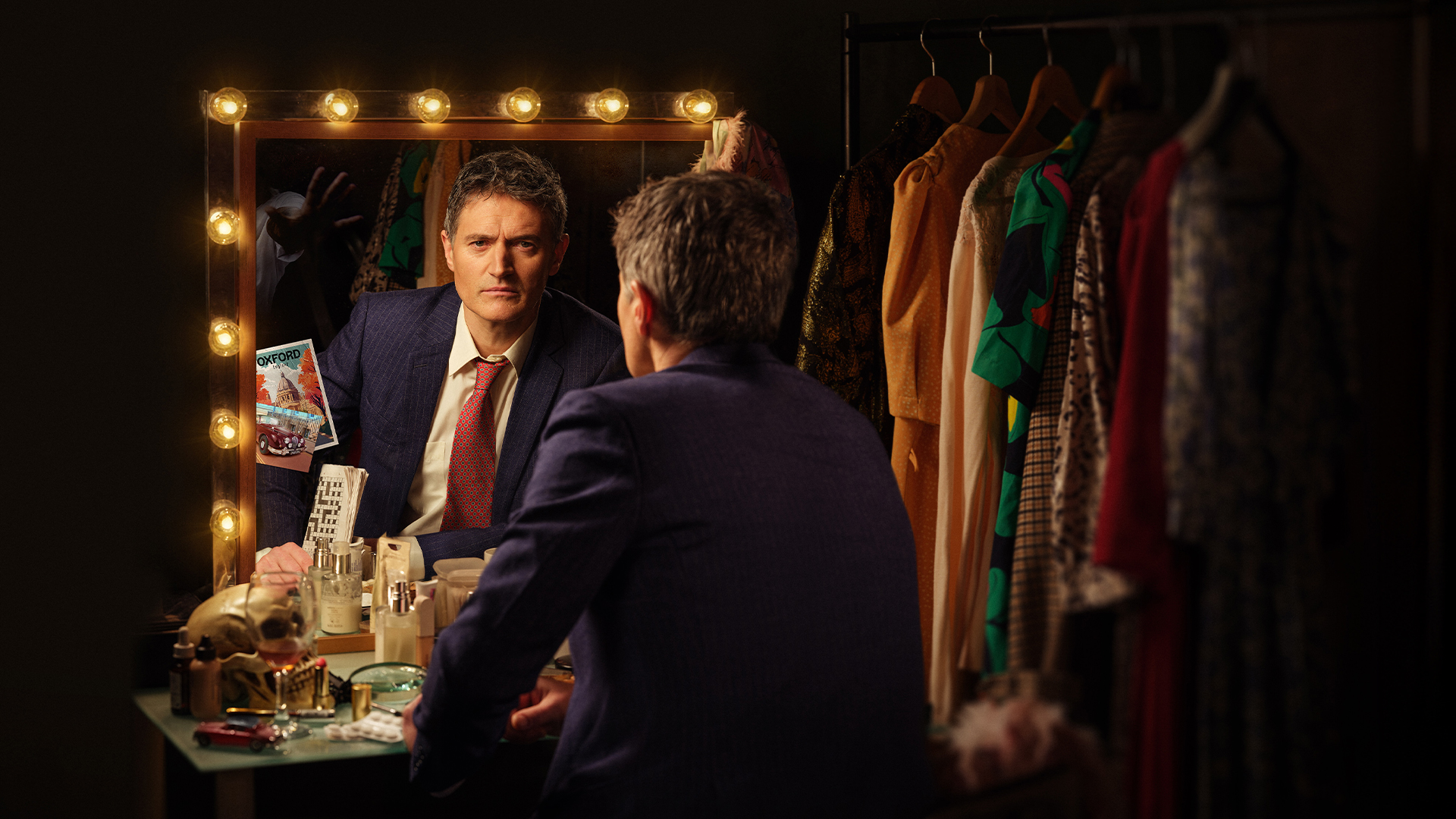
Inspector Morse - House of Ghosts
Inspector Morse - House of Ghosts
Actors, directors and backstage crews work just as hard, perhaps even harder, when things aren’t working out, and I take no pleasure in finding fault. However, whatever the reason, the play was a disappointment
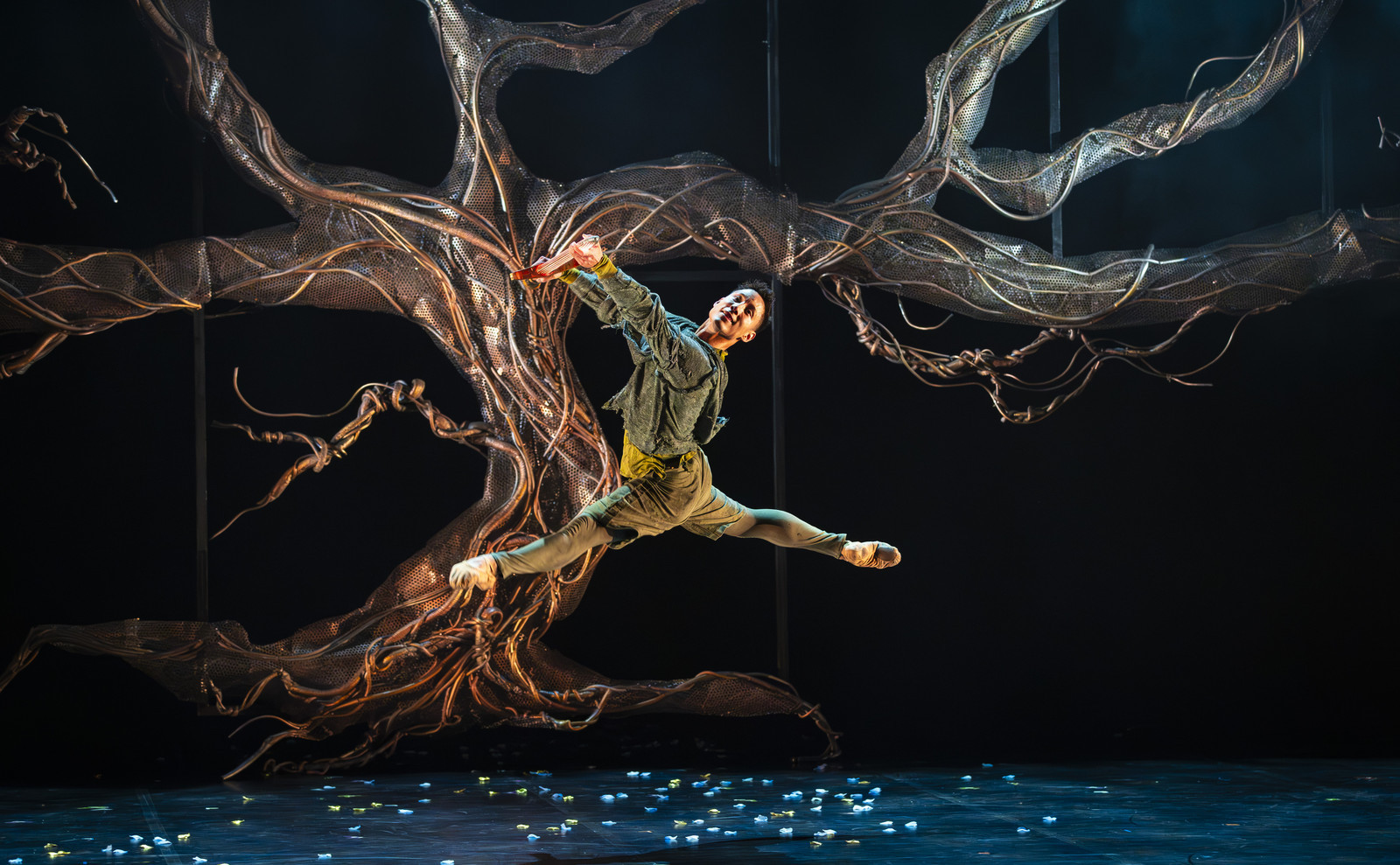
Northern Ballet - Merlin
Northern Ballet - Merlin
Challenging, intelligent and visually stunning.
More by Greg
I Think We Should Just be Friends - Colin Self and Jim Moir (aka. Vic Reeves)
I Think We Should Just be Friends - Colin Self and Jim Moir (aka. Vic Reeves)
We Came Here To Conquer
We Came Here To Conquer
NUA MA Degree Show 2017
NUA MA Degree Show 2017
In Quotes
In Quotes
UNA Gallery - Light And Space
UNA Gallery - Light And Space
Klanghaus - 800 Breaths
Klanghaus - 800 Breaths
Related Articles
Chris McCausland
Chris McCausland
The most I’ve laughed in “yonks”!

Carousel - Norfolk and Norwich Operatic Society
Carousel - Norfolk and Norwich Operatic Society
Another fabulous production from the entire team at Norfolk & Norwich Operatic Society.

Ray O'Leary - Laughter? I Hardly Know Her
Ray O'Leary - Laughter? I Hardly Know Her
Ray O'Leary, is fair to say, has a distinctive way about him. Wild, curly hair. Beer belly out and proud. A face only a mother could love. And that suit. It's a look that says he knows exactly what he’s doing and that he does it very well.
Phil Porter’s Blink
Phil Porter’s Blink
A Sneak Peak of the Play

The Anglia Comedy All Stars
The Anglia Comedy All Stars
On another night, any one of the line-up could have reasonably headlined a comedy night — Ed Gamble, Rachel Parris, and Paul Sinha on the same bill felt almost like overkill. All Stars indeed.
Tina : The Tina Turner Musical
Tina : The Tina Turner Musical
‘Tina’ brought the life story and legacy of rock icon Tina Turner to the stage and it was simply, The Best.