
We Came Here To Conquer
At this much colder time of year, one is constantly reminded of the size of the local art university. Our fine city, which is not unfamiliar to the sight of quirky clothing and clusters of doe-eyed delinquents, has recently welcomed another sea of students in to its wide variety of creative courses. This, naturally, brings with it the type of brazen aesthetics usually limited to a Camden market stall – and feverish sketching in most local beer gardens. I remember my own experiences of this with rose-tinted nostalgia, before my zealous fervour was sated with wine and Netflix. Yet, despite my apathetic tendencies, these passionate youths are undoubtedly the future of creativity, as they are the potential catalysts for new and exciting artistic endeavours.
However, for one to truly move forward, one must acknowledge the past and, happily, this is exactly what is currently housed within the Timothy Gurney Gallery at Norwich Castle. Past and present sit next to each other, in a newly-commissioned exhibition of contemporary artists responding to the institution’s vast collection of prints. Eleven established practitioners, all varying in both medium and conceptual underpinning, have trawled through the depths of the archive, riposting in their own, individual manner. What occurs as a product of this is stark contrast between each piece – especially when noticing the art-as-inspiration interspersed between clearly modern outcomes.
I have always had a soft spot for this gallery, ever since I glanced upward and noticed the elegant architecture overhead. It is a space with a degree of character, which is a rarity in the current age of contemporary art - with its tendency for clinical white walls and stifling atmosphere. Unusually, the room is painted beige and the lighting has a strong orange hue, projecting warmth and homeliness rather than the coldness otherwise associated with fine art. This feeling is pushed further by the light wood frames surrounding most works – reminiscent of those found in my mum’s living room.
Although, let’s face it, she did get them from Wilko's. There is no accounting for taste.
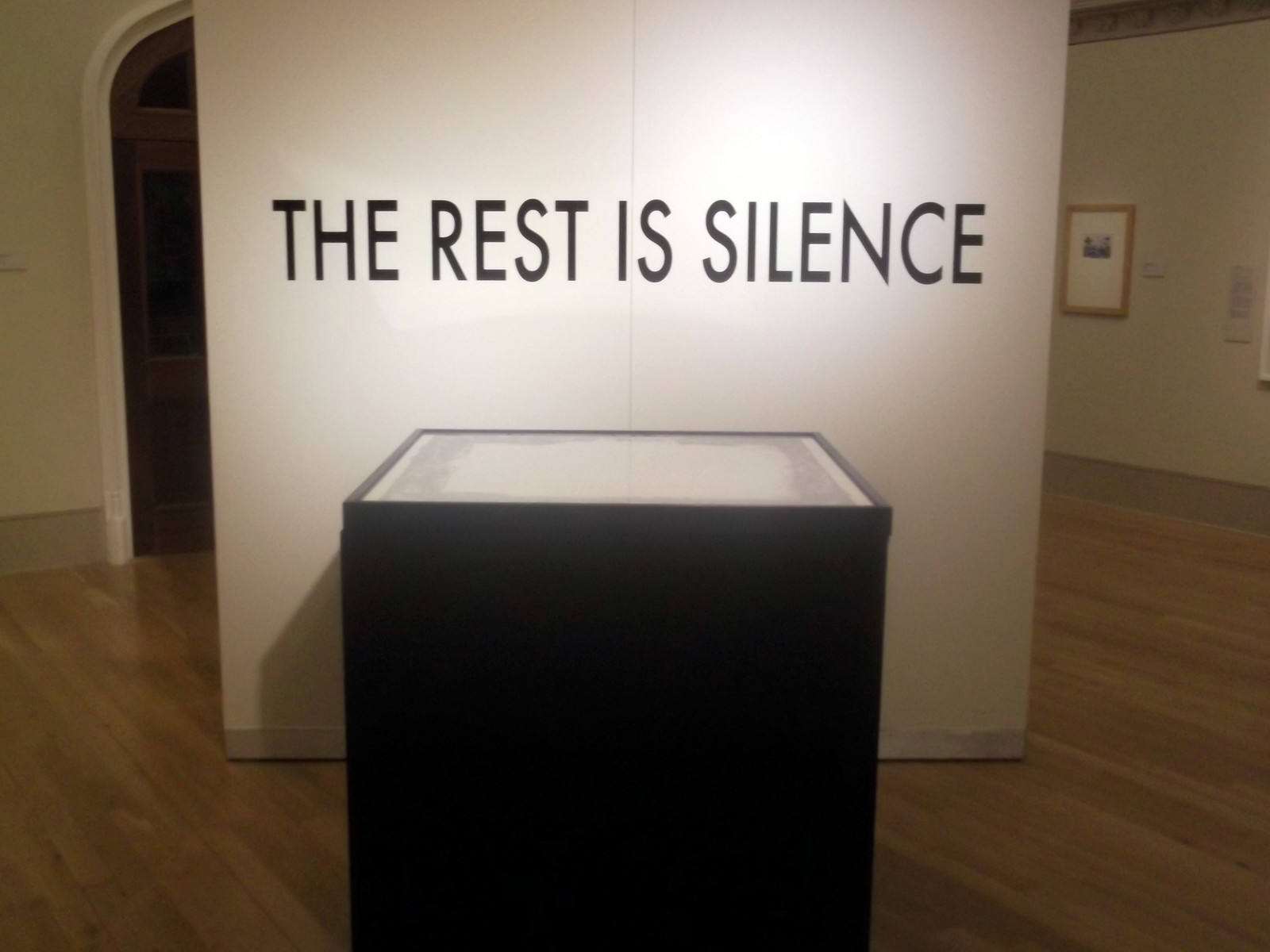
As one enters the space, there are two works that stand out above all; one directly facing the door, standing pride-of-place as the physical introduction to the concept, and the other facing out in to the rest of the show. This latter piece has an innate ability to stick in one’s mind, mostly due to its almost aggressive use of text. THE REST IS SILENCE by Aaron Scott Griffin uses its namesake as a battering ram, sitting illuminated at the end of the room yet somehow echoing throughout the entirety of the exhibition. Interestingly, it responds directly to Josef Albers’ I-S IXXIIIb (1973) from a purely process-driven basis, drawing from the artist’s Homage to the Square series. These were experimental works, playing with the tendency of colour to shift, fade or embolden based on it’s placement against others. However, what we see in this piece is monochromatic and messy, which in unexpected when considering that Albers’ products were meticulously-crafted, perfected, colourful blocks. As such, this recent response almost immolates its predication, countering its own inspiration in a way that is both visually stunning and sadistically torturous. I can’t help but think that the artist looked at Albers’ creation and saw it as something to burn down, more than, say, build from. Although, an action that is a product of criticism is as valid – if not more so – than something borne from love and admiration.
The other large work is by a widely recognised local artist; Carl Rowe, head of the Fine Art Undergraduate course at the aforementioned local university. This is the man that will be directing the rabble that I previously described and, if anything can provide more proof as to his ability to achieve this, the calm, controlled cadence of this piece can. Now – to put this in to context – every other artwork in the exhibition places its original impetus next to the modern creation. In this instance, this is not the case, as a very delicate, framed print sits in the centre of a composite piece, forcing the newer outcome both physically and visually in to the background. People often associate ego with artists (which, in my experience, is not wholly untrue) but a sense of reality prevails here, as what is made is a mere response. It is a refreshing choice, as all of these works are exactly this; a by-product of a seminal outcome, which is held in one of the largest fine art collections in England. Not only this, but the simple decision to exist behind (not separate to or directly upon) highlights exactly what is needed for the culture to progress creatively; reverence and acknowledgement of the past, alongside new and challenging methods.
The show consistently explores this notion, bolstered by the mix of mediums and aesthetical execution. There are white gloves, installed upon a bright red plinth, a museum-like box within which are images of a bomb found in Cromer, a kitschy picture-edit by Colin Self and a large photograph of foliage – among many others. Overall, this differentiation is indicative of both each artist’s individuality and the castle collection’s wide variety of timeframe and technique.
It is a pleasant exhibition, in a pleasant little space, in a pleasant building.
Norwich itself has a long-standing history of printmaking especially, along with many examples of stunning landscape painting. This pedigree is what has gifted the present artists with such robust material to elaborate upon. It is undoubtable that this sheer bulk is due to the presence of the art school, which has sat in the same space – just down the hill from St.Andrew’s Hall – since 1845. Therefore, in the 172nd year of bright, young hopefuls arriving to contribute to our community, it seems only right that an exhibition such as this should exist. It is a bridge between the past and present; an acknowledgement of heritage and a glimpse in to the future in one easily-digestible, bite-sized chunk.
Whether or not you are a fan of the old-guard or a conceptual piece is more to your liking, there is bound to be something to suit your palette.
See what I did there? Palette?
Sorry.
The exhibition is open from 23rd September 2017 to 24th March 2018.Monday-Saturday 10am-5pm, Sunday 1pm-5pm
Visit https://www.museums.norfolk.gov.uk/norwich-castle/whats-on for more details
More Art
Phil Porter’s Blink
Phil Porter’s Blink
A Sneak Peak of the Play
Can the seas survive us?
Can the seas survive us?
Is it something we are all aware of but just put at the back of our minds? See the take of our reviewers ...
La Subida Del Destino and Road Runner
La Subida Del Destino and Road Runner
Peter Serafinowicz as Brian Butterfield
Peter Serafinowicz as Brian Butterfield
In the words of the famous Norwichonian Delia Smith “Let’s be having you come to see my show!" on the 16th June
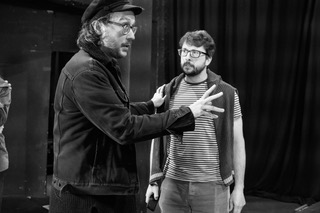
Directors of Twelfth Night @ Maddermarket Theatre
Directors of Twelfth Night @ Maddermarket Theatre
· What power do you believe theatre holds?---- It is live. Real people perform in front of real people. It is dynamic and present in the moment for both actors and audience. Therefore, every performance in a production is different.
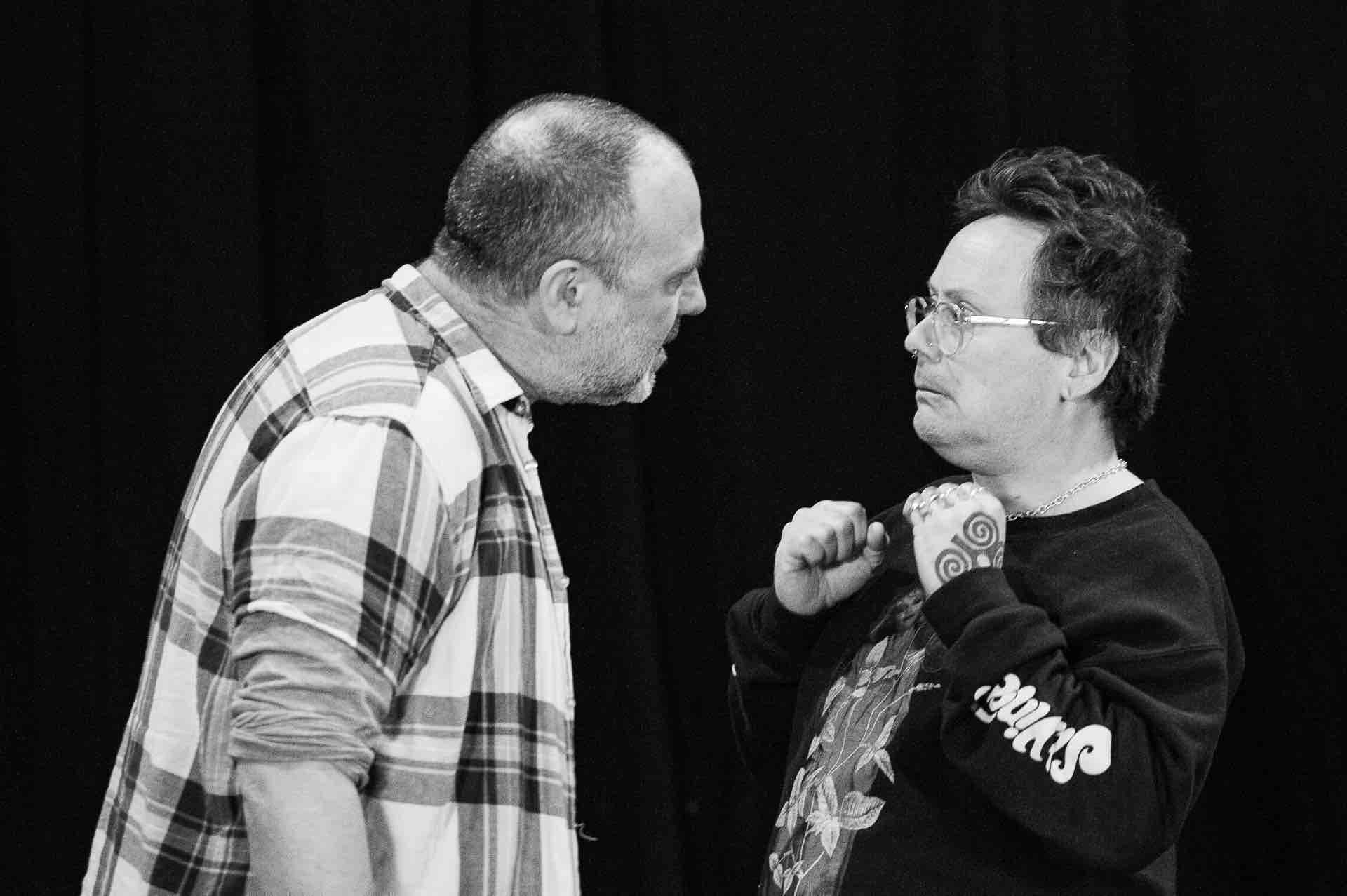
The Cast of Twelfth Night @ Maddermarket Theatre
The Cast of Twelfth Night @ Maddermarket Theatre
More by Greg
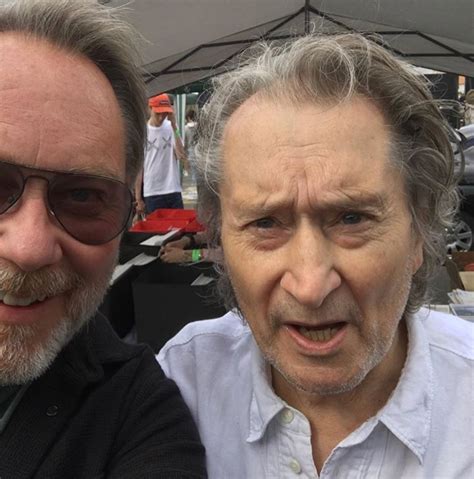
I Think We Should Just be Friends - Colin Self and Jim Moir (aka. Vic Reeves)
I Think We Should Just be Friends - Colin Self and Jim Moir (aka. Vic Reeves)
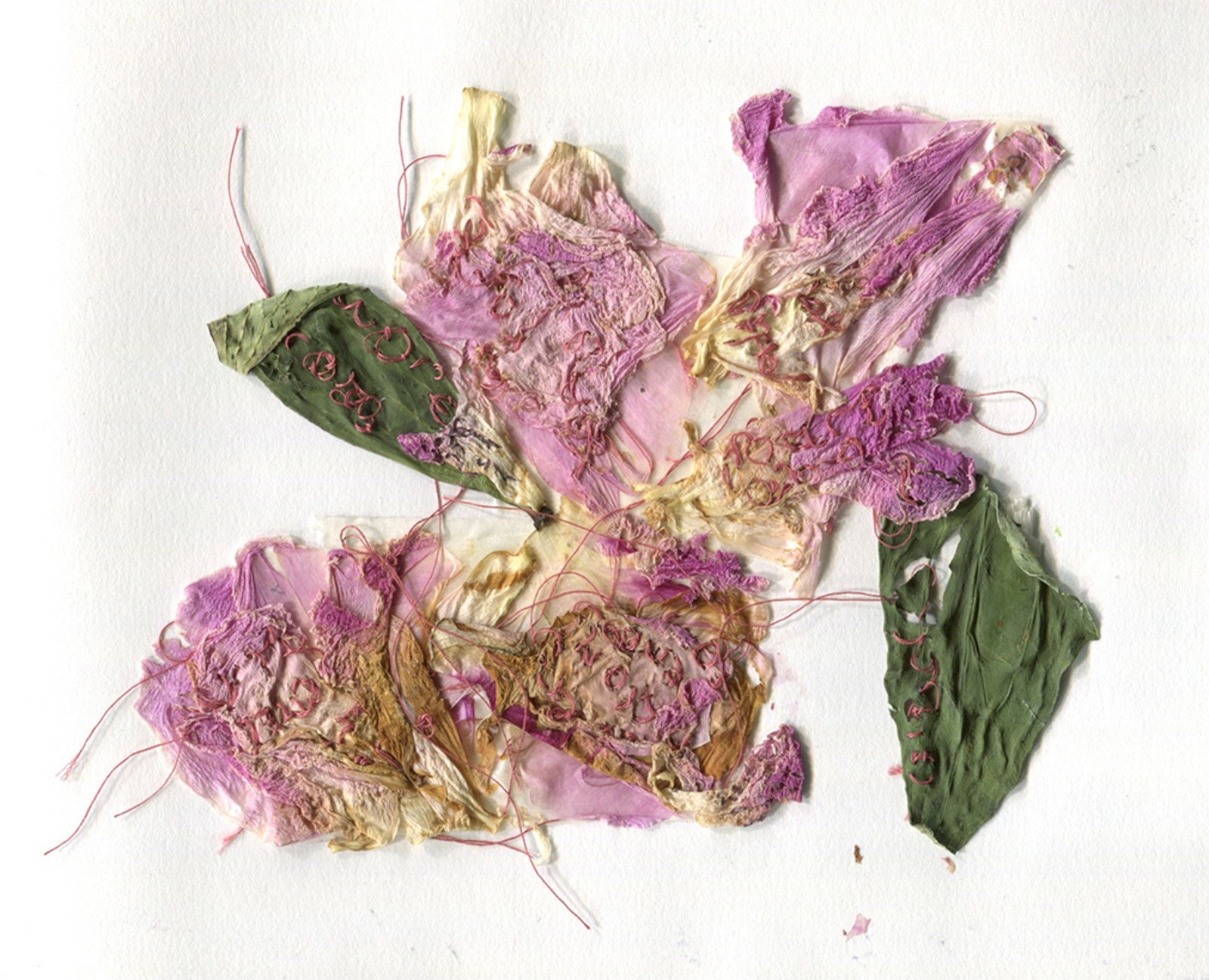
NUA MA Degree Show 2017
NUA MA Degree Show 2017
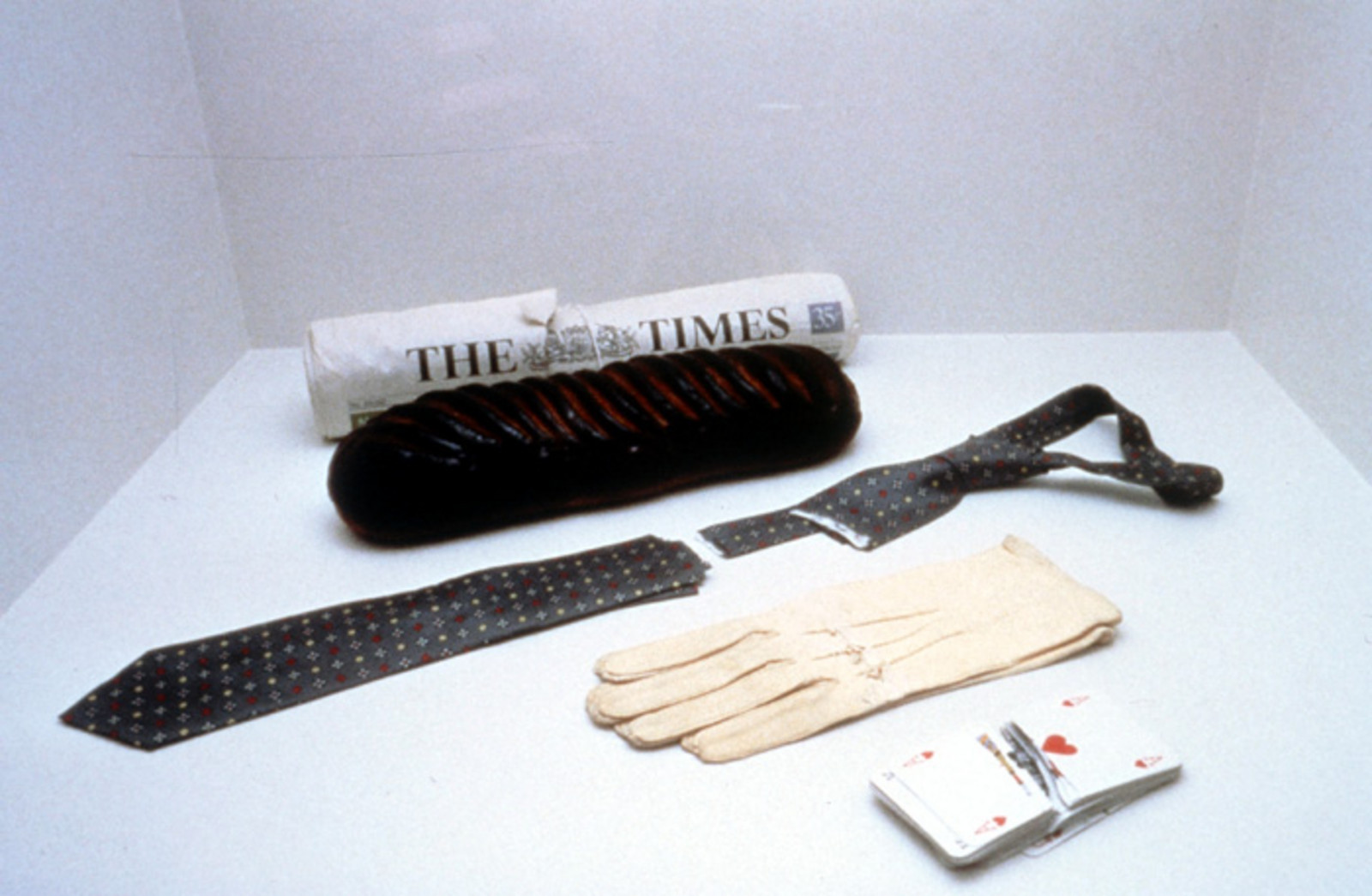
In Quotes
In Quotes
UNA Gallery - Light And Space
UNA Gallery - Light And Space
Klanghaus - 800 Breaths
Klanghaus - 800 Breaths
NUA Graduate Show
NUA Graduate Show
Related Articles
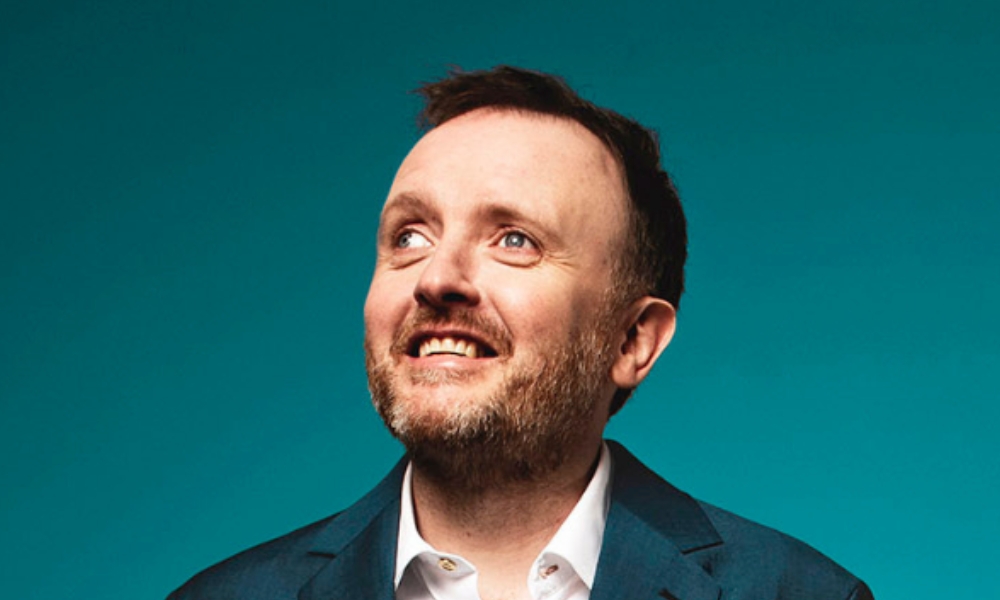
Chris McCausland
Chris McCausland
The most I’ve laughed in “yonks”!

Carousel - Norfolk and Norwich Operatic Society
Carousel - Norfolk and Norwich Operatic Society
Another fabulous production from the entire team at Norfolk & Norwich Operatic Society.

Ray O'Leary - Laughter? I Hardly Know Her
Ray O'Leary - Laughter? I Hardly Know Her
Ray O'Leary, is fair to say, has a distinctive way about him. Wild, curly hair. Beer belly out and proud. A face only a mother could love. And that suit. It's a look that says he knows exactly what he’s doing and that he does it very well.
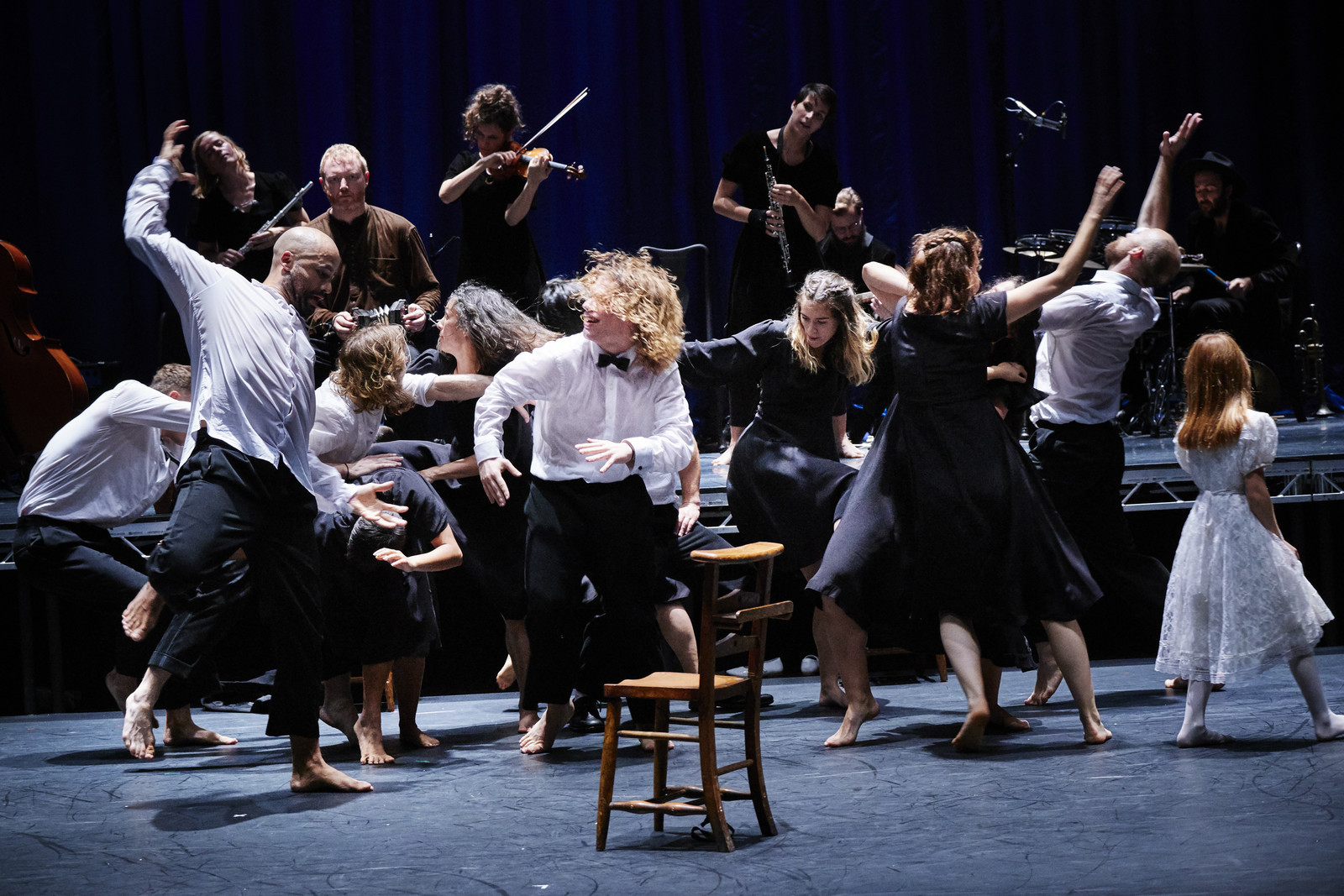
Teaċ Daṁsa / Michael Keegan-Dolan - MÁM
Teaċ Daṁsa / Michael Keegan-Dolan - MÁM
Those that see this show will leave with a renewed sense of warmth and hope in their souls. It is a visceral tribute and testament to the music, the traditions and the culture of the people of the Kerry coastline
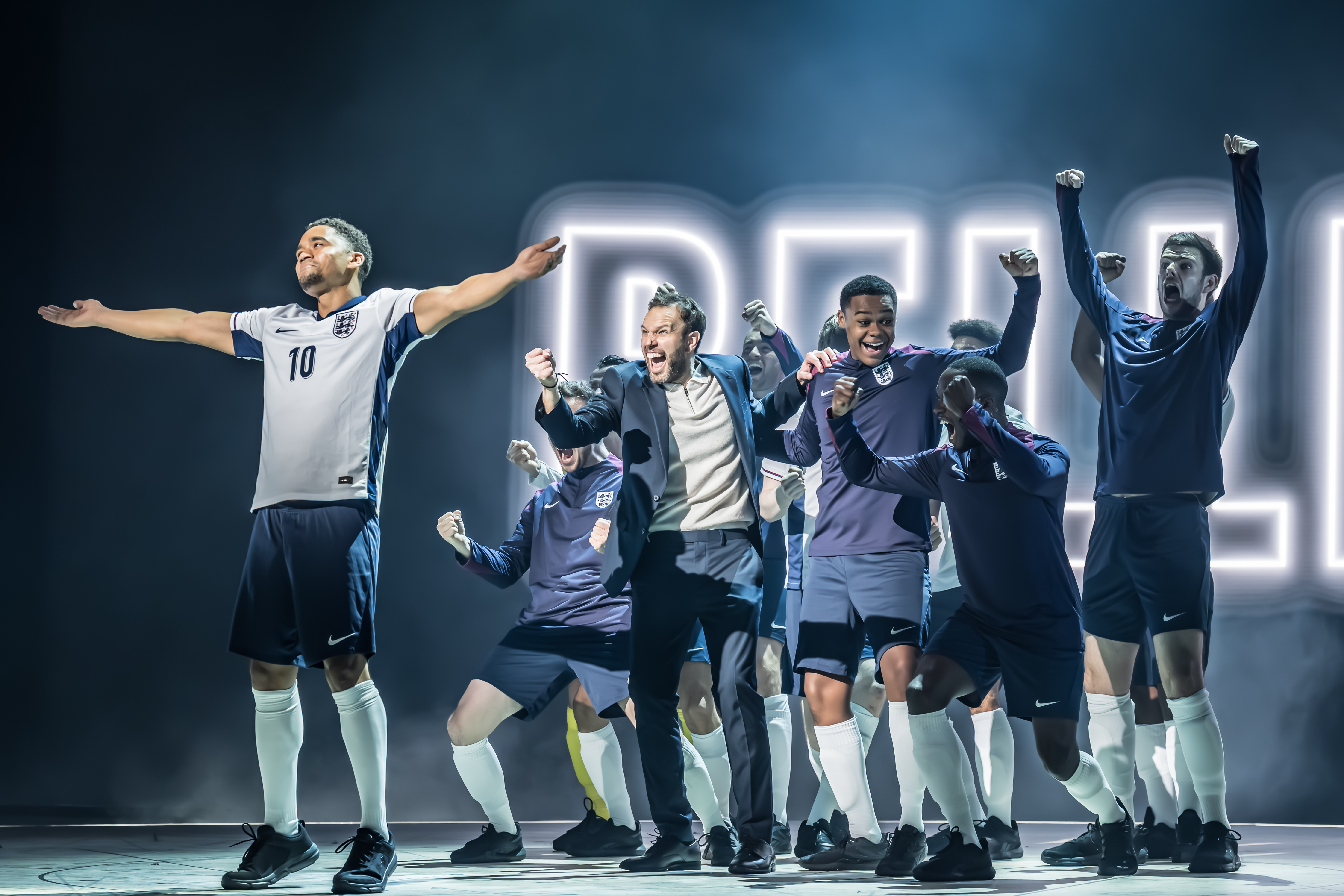
Dear England
Dear England
This play about football was not really about football at all. It was a play about male bonding, humanity, mutual respect, facing your demons, and about meeting with triumph and disaster, and treating those two impostors just the same.

The Anglia Comedy All Stars
The Anglia Comedy All Stars
On another night, any one of the line-up could have reasonably headlined a comedy night — Ed Gamble, Rachel Parris, and Paul Sinha on the same bill felt almost like overkill. All Stars indeed.