
Dear England
This play about football was not really about football at all. It was a play about male bonding, humanity, mutual respect, facing your demons, and about meeting with triumph and disaster, and treating those two impostors just the same.

Photo: Theatre Royal
Given the universal acclaim garnered by James Graham's National Theatre production of Dear England in 2023, it’s now a challenge to recall how revolutionary the play was at the time. There have been plays about football before, but the likes of Red Lion, The Beautiful Game and Jumpers for Goalposts focused on local communities and working class identity. Dear England examines football at the highest level, forensically examining - to quote Steven Dyke's excellent Physio Phil - the arrogant pricks that play the game.
Centre stage throughout is the man that (almost) single-handedly changed that perception of top flight footballers and in doing so, changed - at least for a while - what it felt like to be English. At the heart of the play is Gareth Southgate's redemption in the eyes of the public, from a world class failure, to a national hero and treasure. Who now can make sense of, or even remember, a Pizza Hut advert mocking Southgate for stepping up to take the bill?
In the original production, Joseph Fiennes played Southgate, an inspired move, not least as the uncanny physical similarity. Having seen that production, I can attest to the long shadow cast over subsequent iterations, but David Sturzaker more than holds his own in the current run. Despite, I was reliably informed, wearing false teeth, he doesn't resemble Southgate, but that seems to free him from the pitfalls of impression. Instead, we get his own take on quiet authority and reflective leadership. He is still an archetype of sorts, but rather than marvel at seeing a man represented, the audience instead listens to what he is saying.
We listen as well, to Samantha Womack, as do the players. I thought her performance was actually more convincing than Gina McKee's original Pippa Grange, exuding not only a stoic authority but also a personal magnetism that I can well believe young men would be inclined to listen to. Of those young men, Oscar Gough's touching portrait of the tongue-tied Harry Kane was an obvious highlight, but was only one of many affectionate performances. Ashley Byam's Sterling, Jayden Hanley's Rashford, Connor Hawker's Maguire and Jack Maddison's Pickford were distinct and recognisable, while the previously mentioned Physio Phil stole every scene he was in.
There were moments, it should be said, when the play seemed to have been left behind by events. The success of the women’s team was touched on, but felt underwritten. Southgate’s attempt to rehabilitate the George Cross now seems niave given how often it’s been recently tied to lampposts. The players taking the knee, and the controversy this caused now seems almost quaint. History can’t, or at least shouldn’t, be changed but the prism through which we view it alters over time, so that incidental detail can take on new meaning, while pointed satire – did the appearance of all those prime ministers ever work – now seems irrelevant. It is a peculiarity of a resolutely modern play that it dates more quickly than any other. How many people, I wonder, were puzzled that Ian Kirkby’s spot on Gary Linekar was eating a bag of crisps?
That said, the staging remained exemplary - the grand sweep of the National's presentation squeezed within the Royal's proscenium arch in such a way that made the performance more intimate yet the theatre somehow bigger. Back projection of Wembley, Russia and film clips signalling the agony and ecstasy of the game, this was spectacle of a grand scale, notwithstanding the stacking chairs and changing booths. With slow motion mime and surtitles keeping score, this was gripping theatre, whether or not you knew the outcome.
And that’s because this play about football was not really about football at all. It was a play that not only questioned identity, but attempted to define it, from the shopkeeper complaining about the absence of an apostrophe in graffiti, to a morris dancer singing about the pleasures of curry sauce. It was about male bonding, humanity, mutual respect, facing your demons, and about meeting with triumph and disaster, and treating those two impostors just the same.
More Theatre Reviews
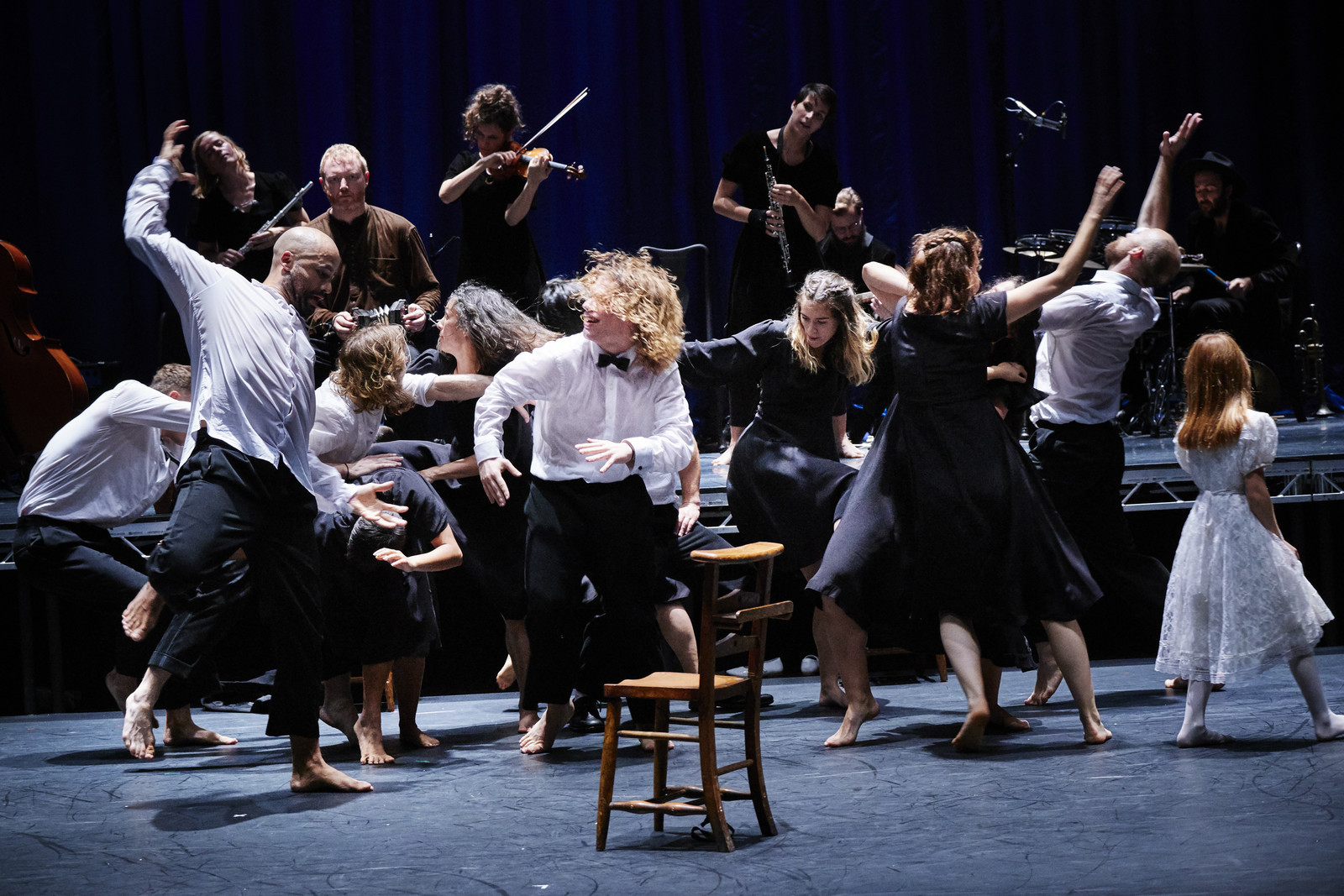
Teaċ Daṁsa / Michael Keegan-Dolan - MÁM
Those that see this show will leave with a renewed sense of warmth and hope in their souls. It is a visceral tribute and testament to the music, the traditions and the culture of the people of the Kerry coastline
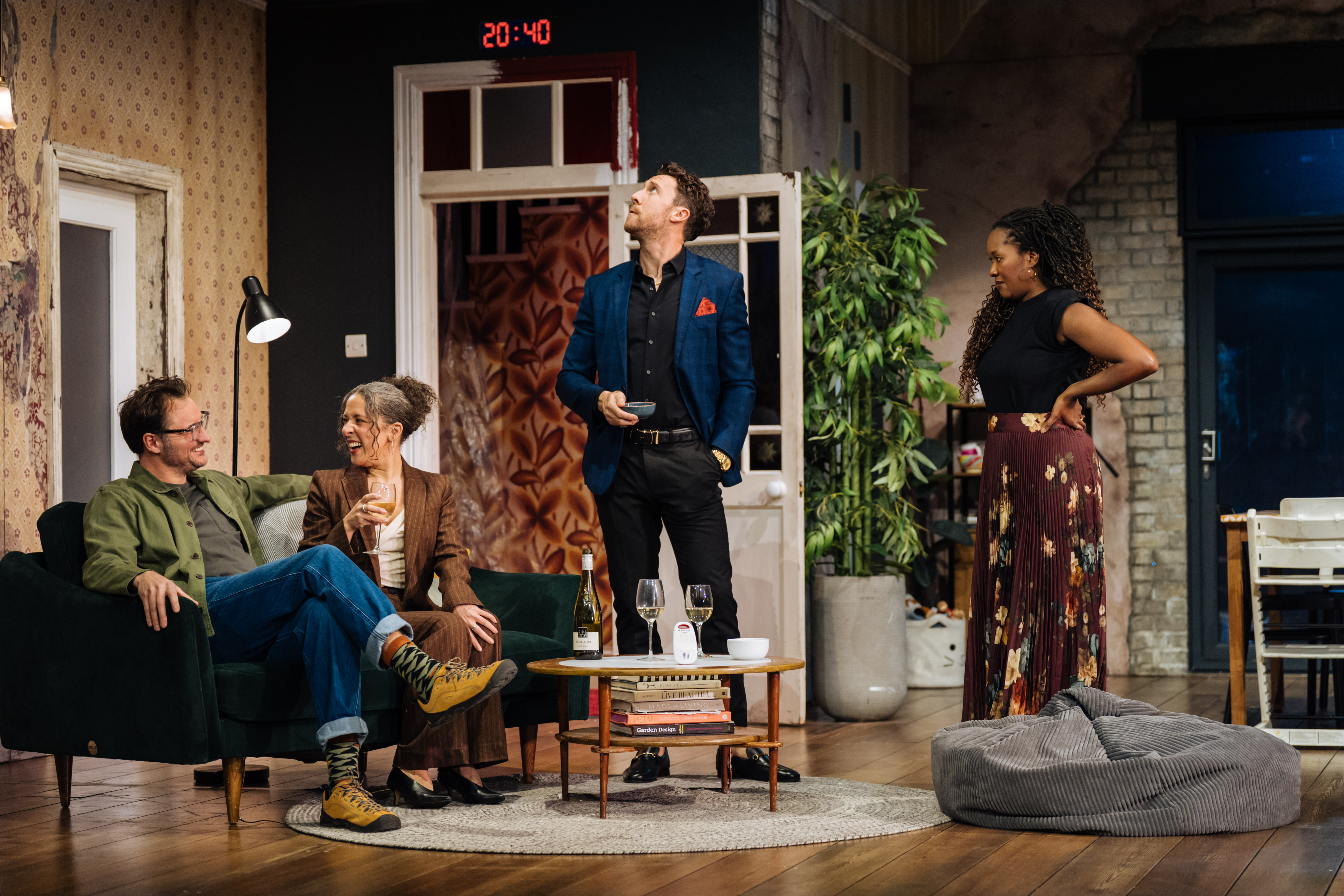
2:22 A Ghost Story
This is a ghost story, not a horror story, with an uneasy atmosphere of impending doom. The play is handsomely staged, with subtle but effective use of sound and lighting. Along the way we get red herrings, misdirection and tension-busting humour. Robins even lobs in class-conscious social commentary into the mix.
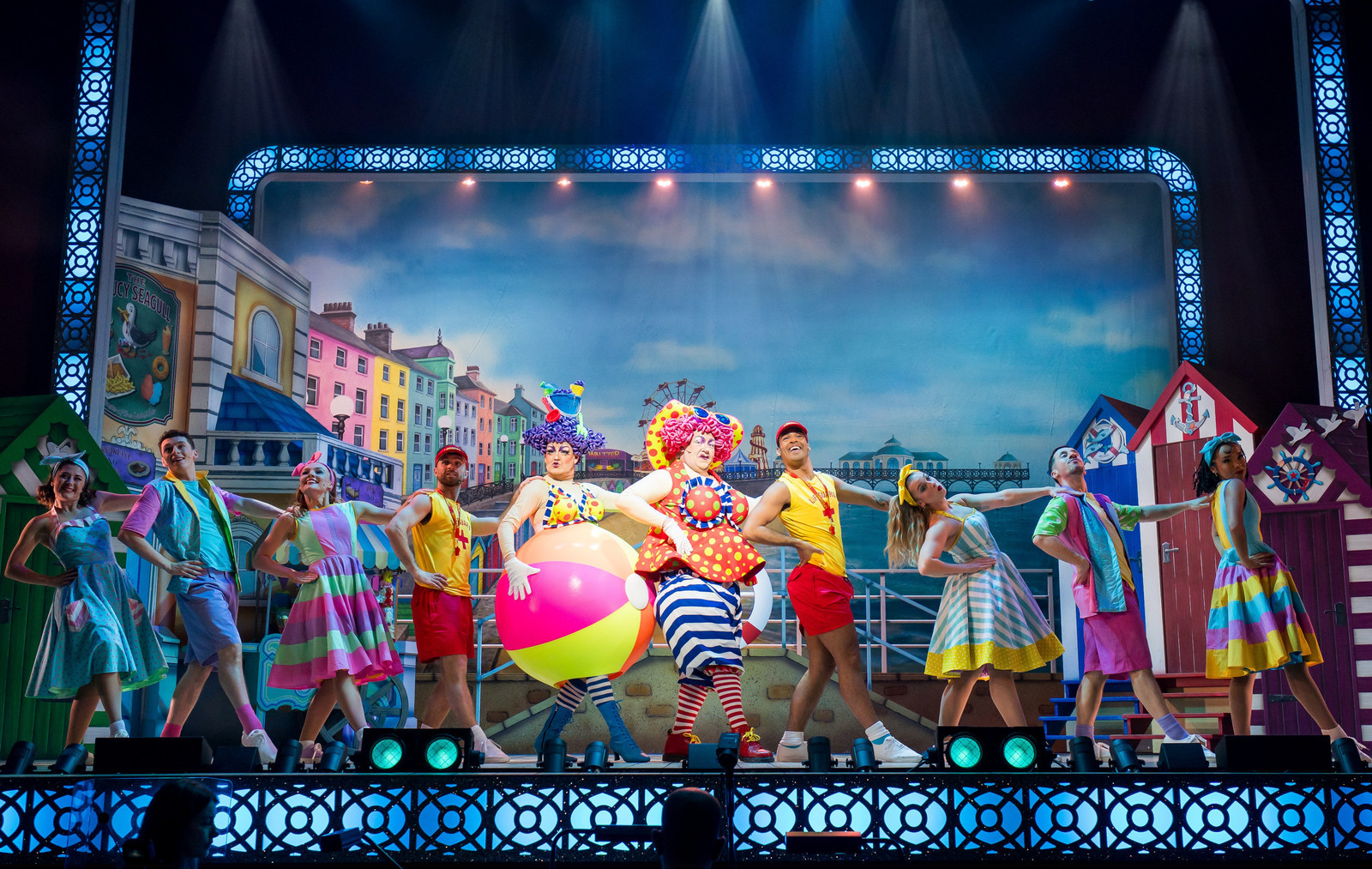
Cinderella
Spectacular, colourful, funny and polished. What more could you ask?
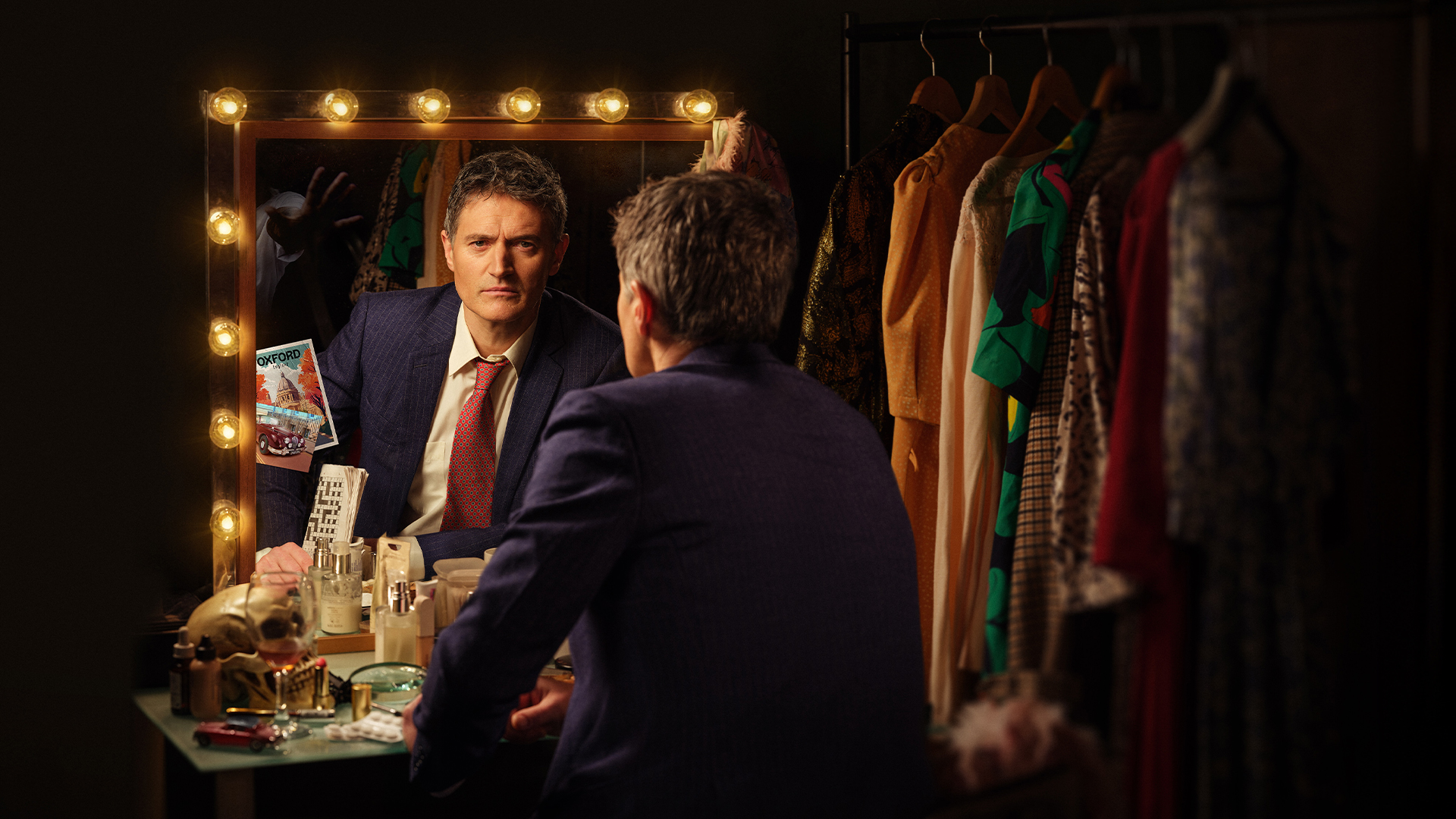
Inspector Morse - House of Ghosts
Actors, directors and backstage crews work just as hard, perhaps even harder, when things aren’t working out, and I take no pleasure in finding fault. However, whatever the reason, the play was a disappointment
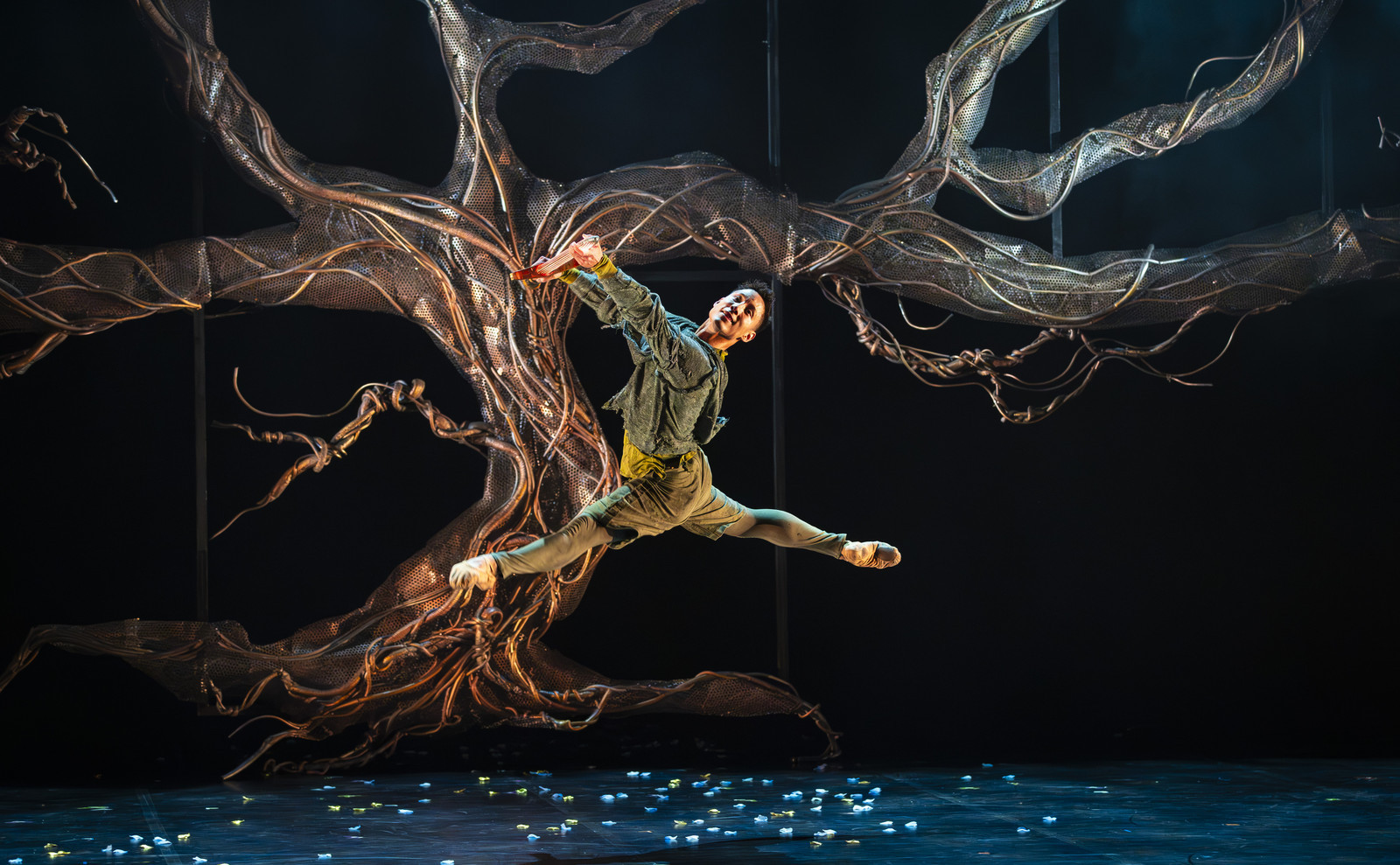
Northern Ballet - Merlin
Challenging, intelligent and visually stunning.
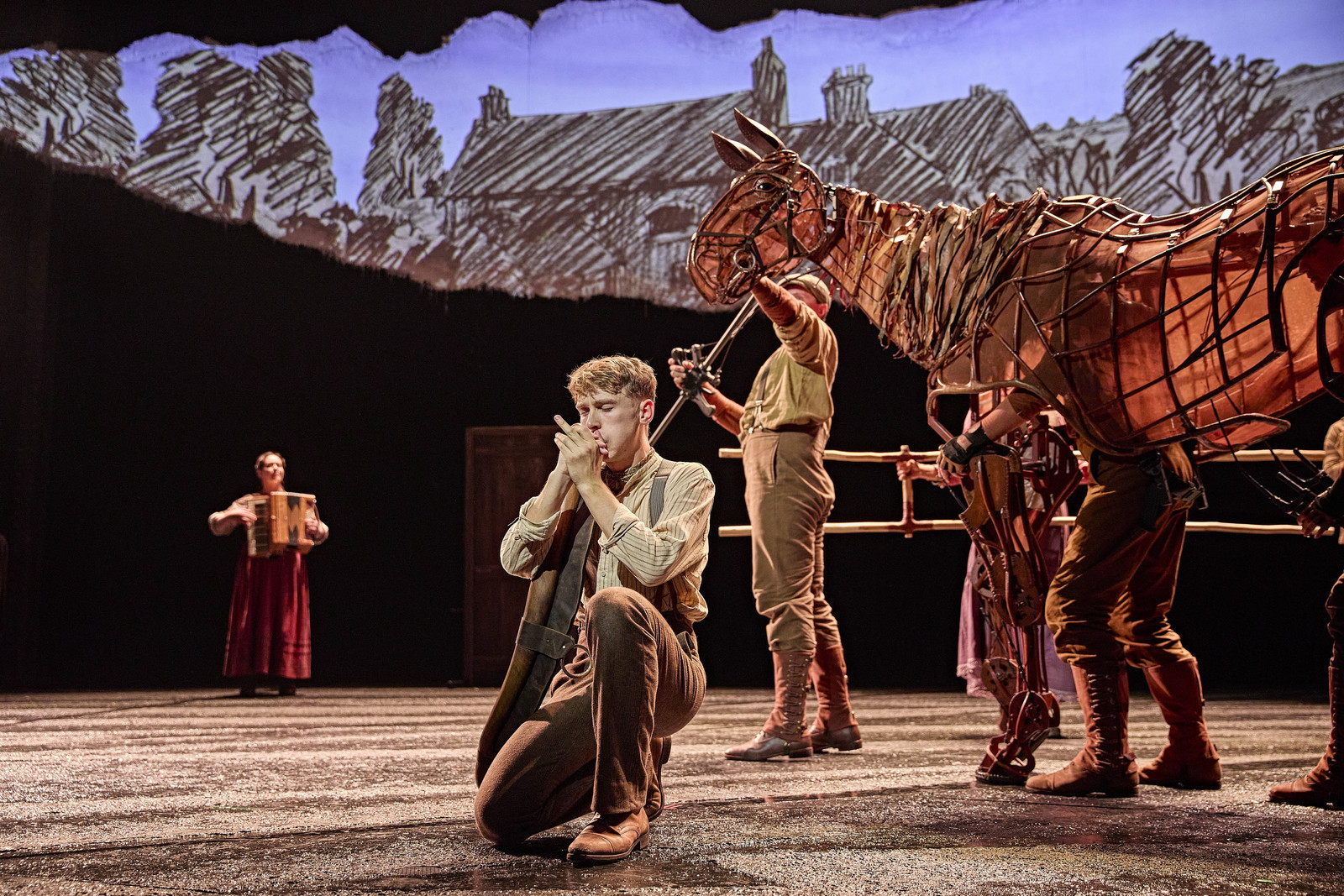
Warhorse
The moment when Joey transforms from a foal to a fully grown horse is a gasp inducing theatrical wonder. Such is the skill of the three puppeteers operating Joey, they are entirely invisible to the mind's eye, despite being in plain sight
More by David Vass
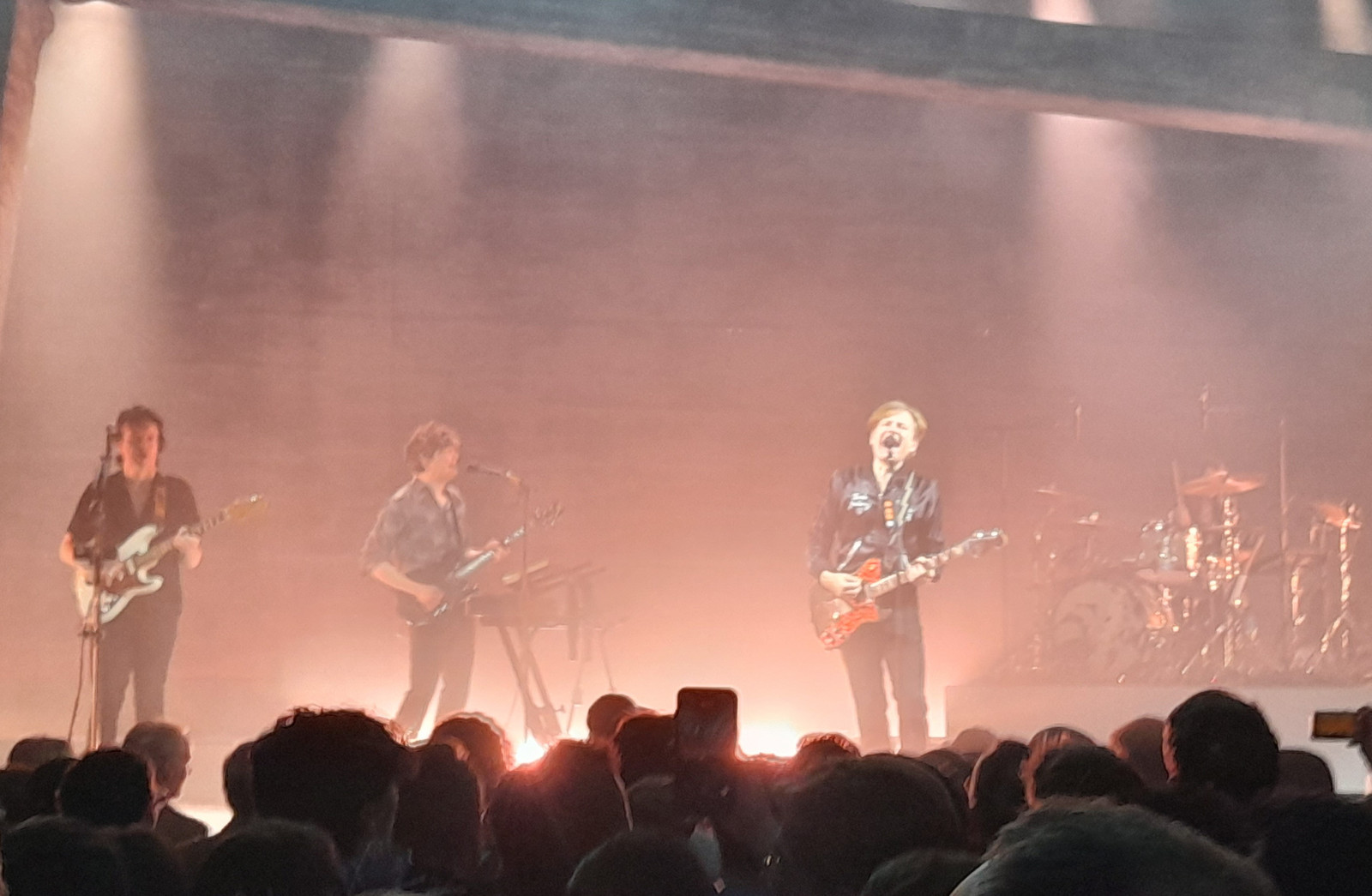
Franz Ferdinand
There was very little messing about, charging through song after song, so that when the band departed after an hour, having knocked seven bells out of the drumkit, it felt like only half that time had passed.

Ray O'Leary - Laughter? I Hardly Know Her
Ray O'Leary, is fair to say, has a distinctive way about him. Wild, curly hair. Beer belly out and proud. A face only a mother could love. And that suit. It's a look that says he knows exactly what he’s doing and that he does it very well.
Mogwai
I entered the LCR ready and willing to worship at the altar of their magnificence. Sadly, it didn't quite work out that way. At times this felt less about composition and more akin to ritual.
Kaiser Chiefs
As Everyday is followed by I predict a Riot, Modern Way and Na Na Na Na Naa, it's a shocker to be reminded that noughties post-Britpop happened a long time ago.
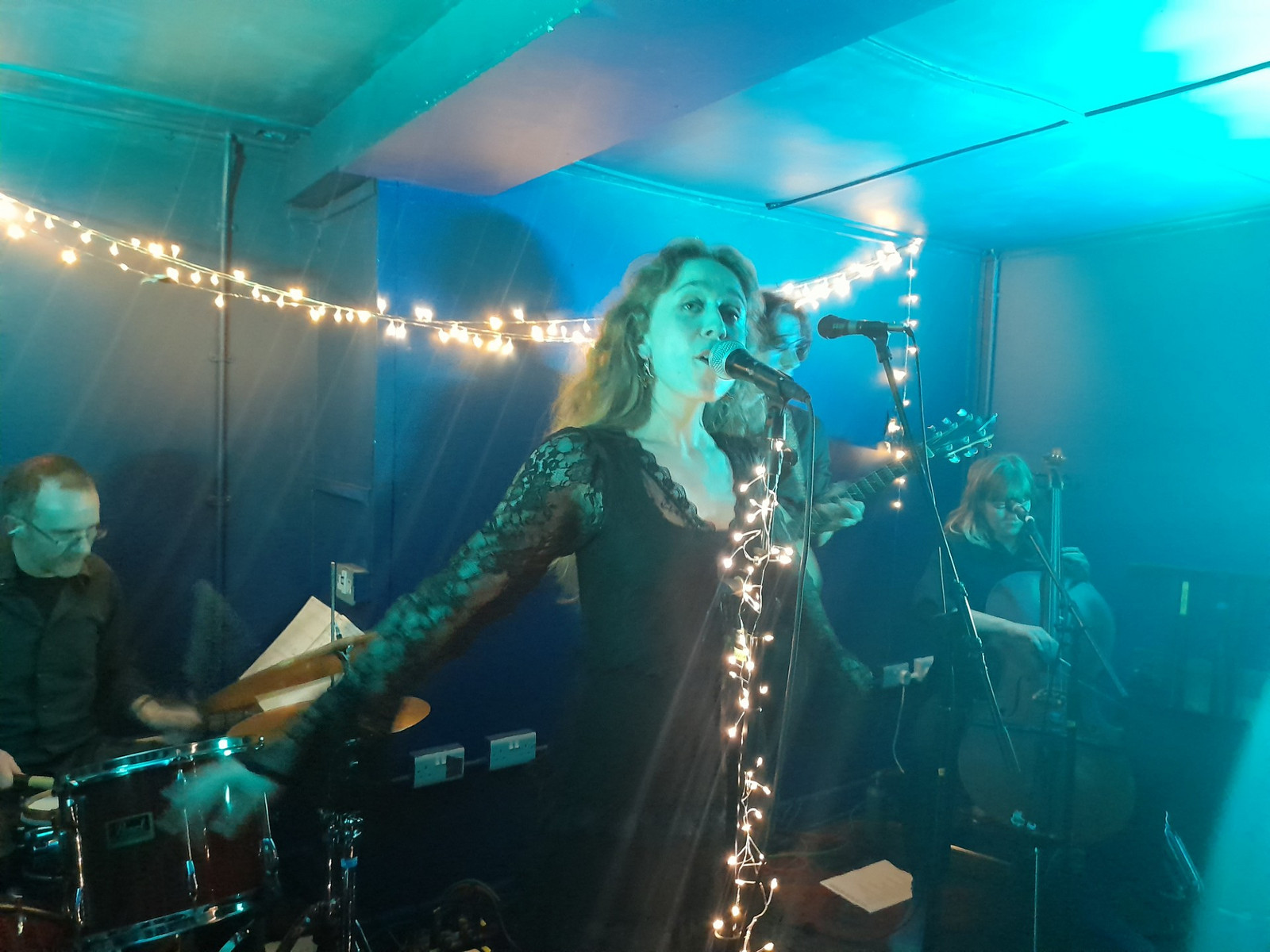
Eliza Delf and the Wilderness
There's an evident energy to the band's performance that informs how they sound – to my mind with a rockier, edgy intensity I've not heard from them before. Whether it was born of enthusiasm having hibernated over winter, the intimacy of performing inches from their audience, or simply the room's acoustics, they have never sounded better.
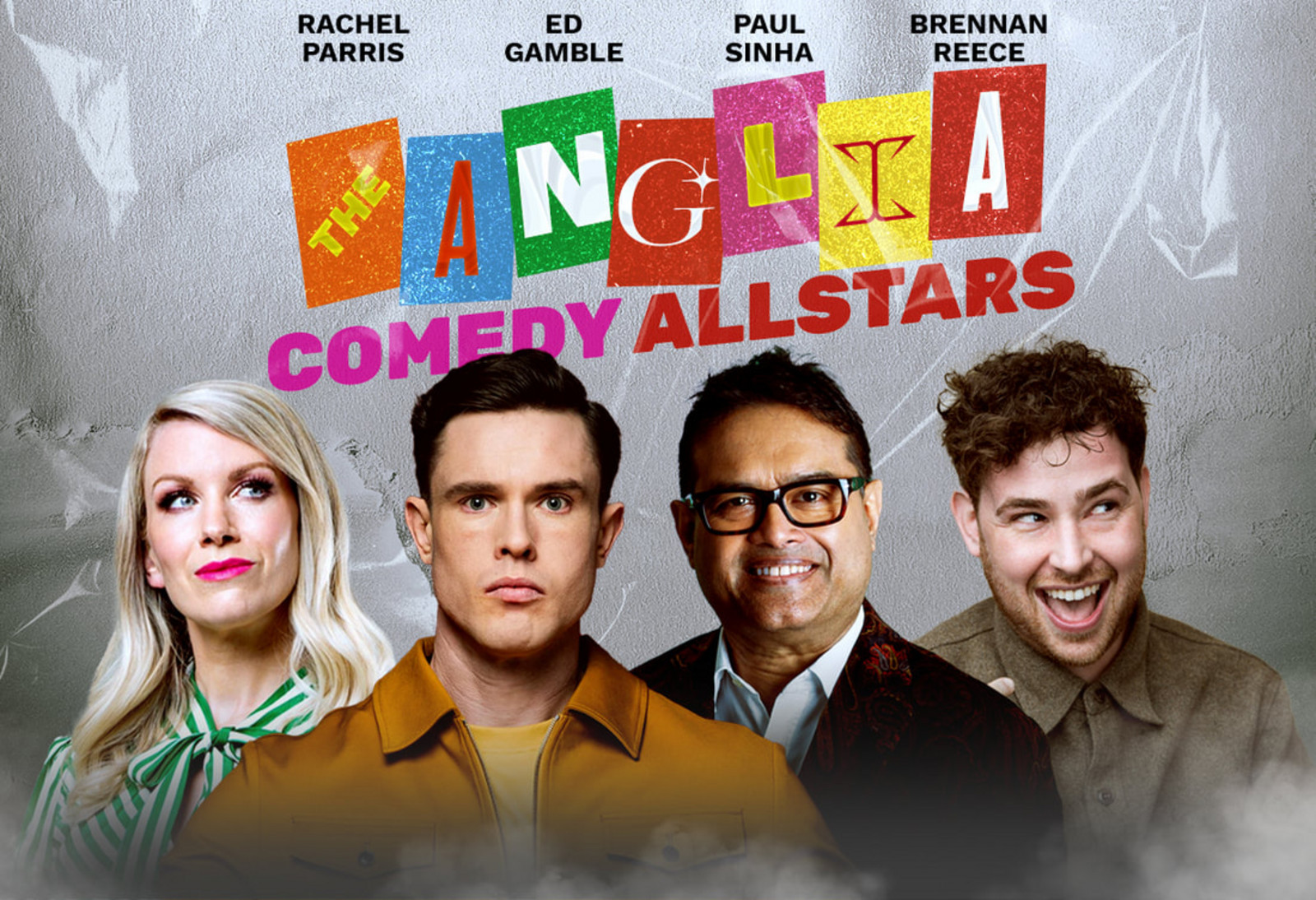
The Anglia Comedy All Stars
On another night, any one of the line-up could have reasonably headlined a comedy night — Ed Gamble, Rachel Parris, and Paul Sinha on the same bill felt almost like overkill. All Stars indeed.
Related Articles

Chris McCausland
The most I’ve laughed in “yonks”!

Carousel - Norfolk and Norwich Operatic Society
Another fabulous production from the entire team at Norfolk & Norwich Operatic Society.
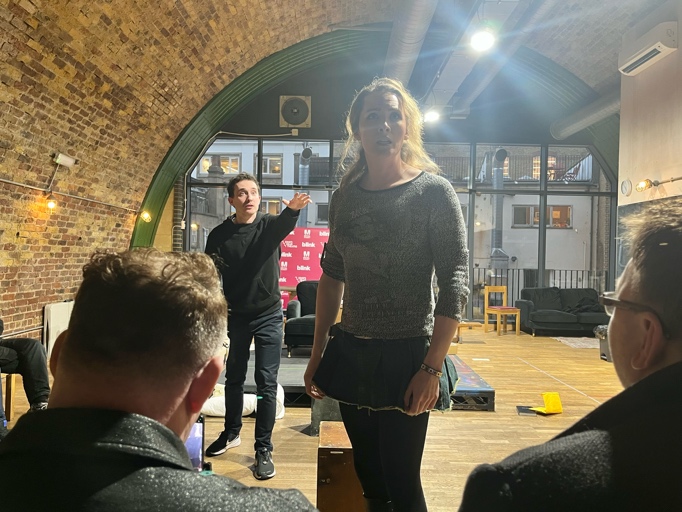
Phil Porter’s Blink
A Sneak Peak of the Play
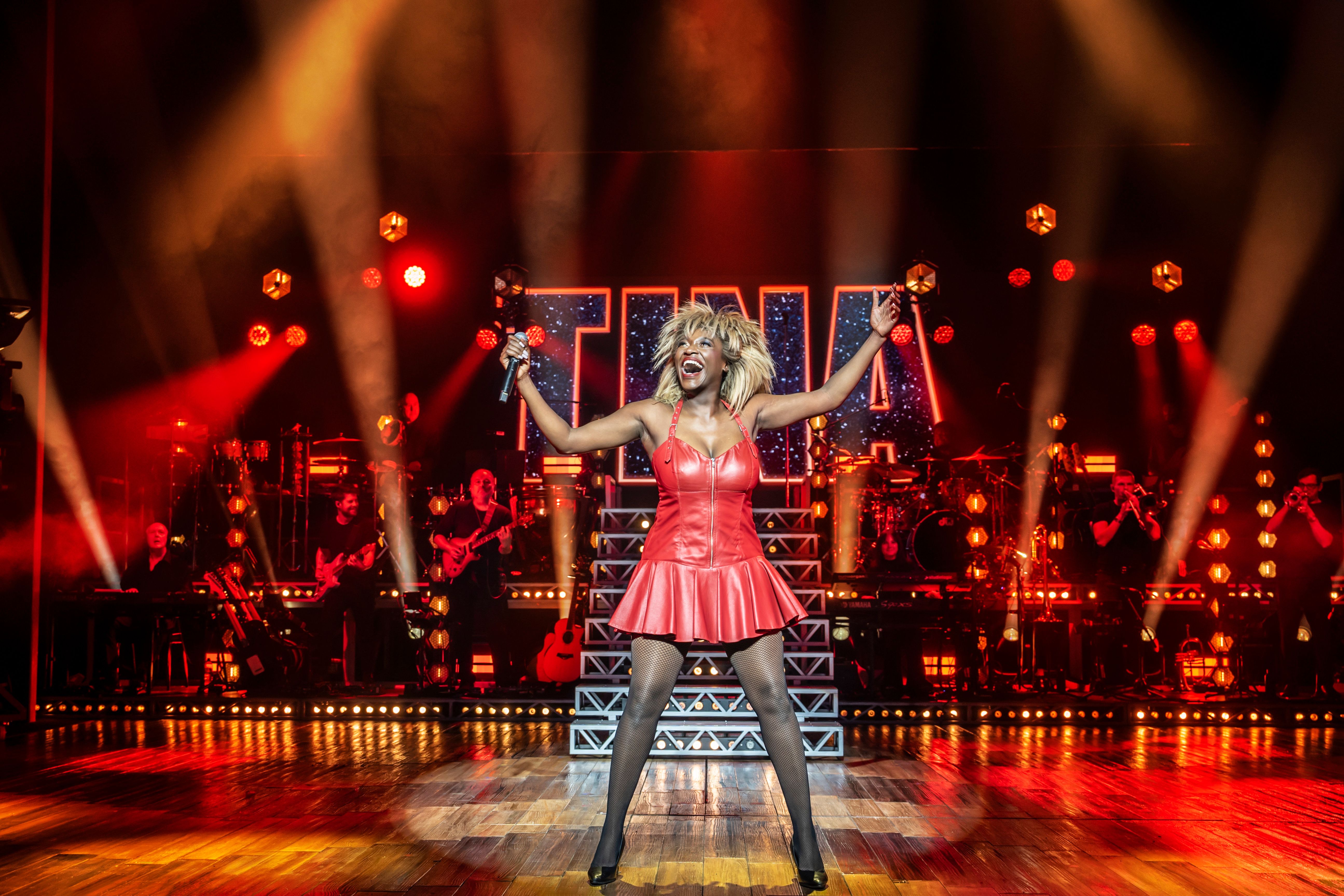
Tina : The Tina Turner Musical
‘Tina’ brought the life story and legacy of rock icon Tina Turner to the stage and it was simply, The Best.
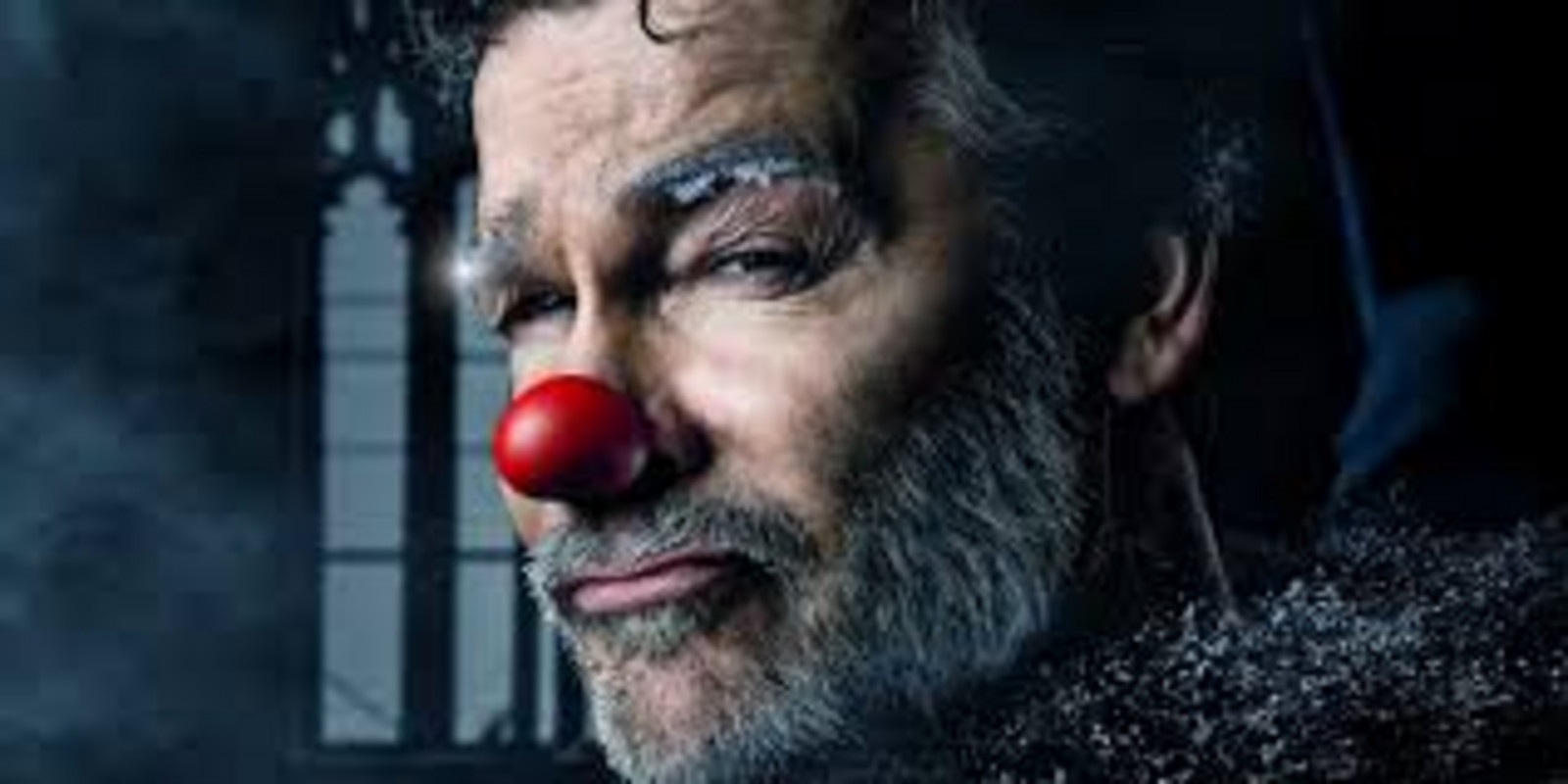
12 Beans of Christmas - Adam Riches
What seemed clear from the outset was how much fun Adam Riches was having, and how effortlessly that good humour infected everything that went on.

David Olusoga - A Gun Through Time
What was most surprising was how witty a speaker Olusoga is, quite a revelation given his austere TV persona. Given the grim journey he was about to take us on, perhaps its purpose was simply a chance to get to know each other before discussing the elephant in the room - or at least the gun on stage - the Maxim gun, known as the Devil's Paintbrush, spewing out 666 bullets a minute.