
City of Literature NNF 2024
Given some of the impossible choices thrown up by the festival this year, it would be easy to miss out on the events centred around The National Centre for Writing at Dragon's Hall, and in previous years that's exactly what I have done - miss out. Determined not to make the same mistake this year, I dipped my toe into the series of conversations between authors taking place.
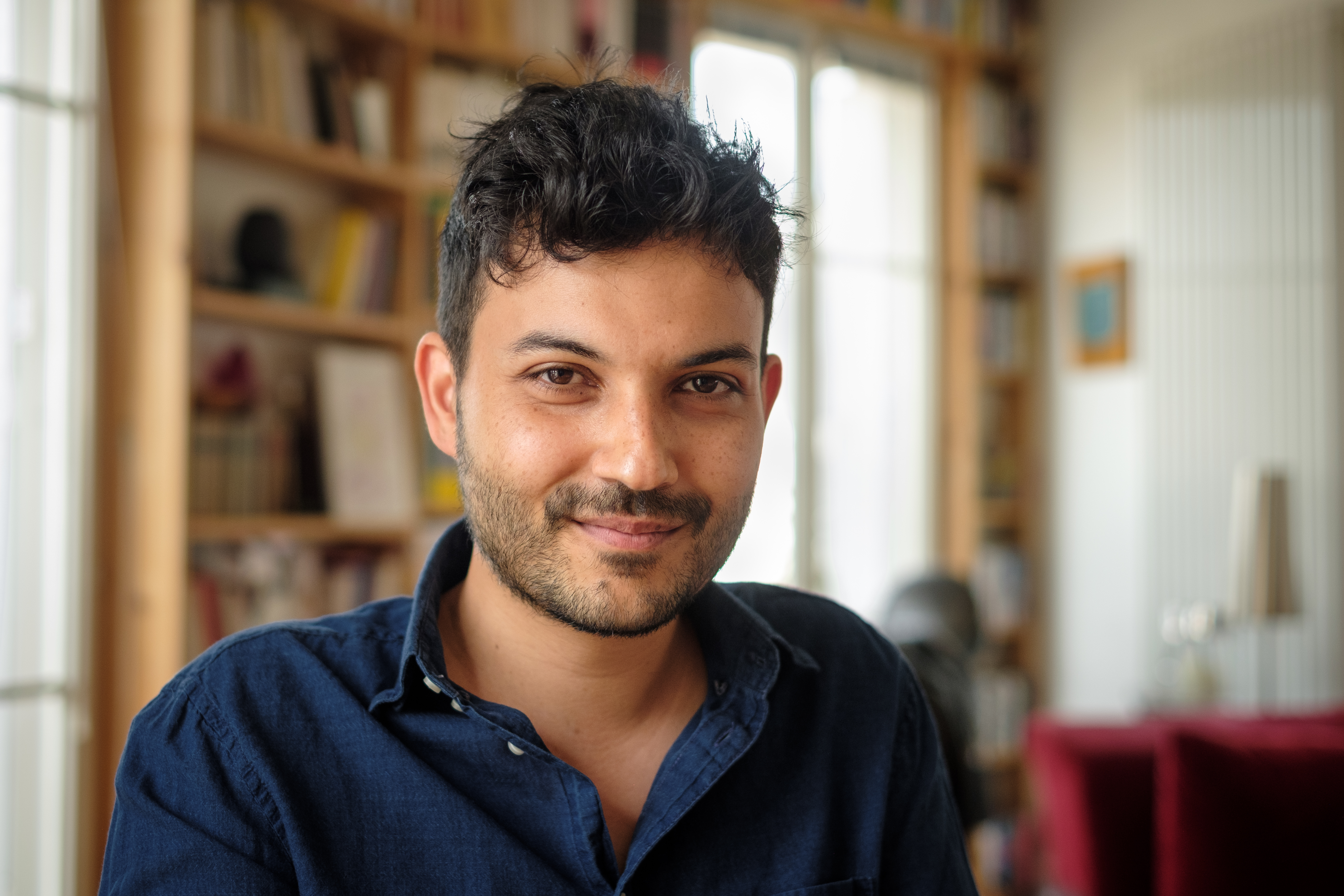
Photo: N&N Festival
As the festival approaches its final weekend, its last hurrah includes the City of Literature Weekend, a varied programme of talks, workshops and craft. Given some of the impossible choices thrown up by the festival this year, it would be easy to miss out on the events centred around The National Centre for Writing at Dragon's Hall, and in previous years that's exactly what I have done - miss out. Determined not to make the same mistake this year, I dipped my toe into the series of conversations between authors taking place.
Feria Lennon and Clare Pollard have both written historical novels, one set in ancient Syracuse, the other in 17th century Versailles. Both 'Glorious Exploits' and 'Modern Fairies' are populated by characters that are unaware they are living in the past, the central theme of the discussion being the challenge of bringing a contemporary feel to a story set in other times. As Lennon pointed out, his characters don't have the benefit of hindsight, while we don't know how they really spoke. Pick another language, interjected Pollard - her top tip for skirting the challenge of writing in a way that avoids obvious anachronism. It's all translation then, anyway, she impishly added.
The other unifying theme was stories about stories, be that theatre or fairy tales. James McDermot, who moderated the chat, drew great significance from this, and did his best to draw out observations of great significance from his interviewees, but it seemed to me they were having none of it. Clare Pollard, in particular, struggled with any claim to profundity, claiming with self-deprecating good humour that she just wanted to tell a story that interested her. Feria Lennon seemed more willing to follow McDermot's lead, acknowledging a perceived subtext, but he too saw this as more of a happy accident than author intent. In the end, it was Pollard who took up the theme wholeheartedly, agreeing that stories can influence and re-enforce class and patriarchal structures, but still agreed the story comes first.
The abiding consensus was that political subtext and contemporary analogy works best when it springs naturally from the author’s sensibilities, rather than wilfully injected, and furthermore is something largely beyond the author's control. Similarly, humour - which both books have in abundance - is not consciously introduced, so much as the inherent truth of a life lived. We laugh in the face of tragedy, and therefore so should fiction. Happy endings, as Pollard pointed out, are a product of when the story stops. After all, she added with mordant wit, we all die in the end. Stories - even stories about stories - can be an escape from real life, not just a reflection of it, and neither author felt any need to apologise for that. Both reading and writing, she insisted, are forms of play, something otherwise missing since childhood. And as Lennon pointed out, a novel can entertain in spite of its content and conclusions simply by putting the chaos and unpredictability of life into some kind of order. The neatness of novels, he concluded, is what is so satisfying to the reader, whatever their outcome.
Real life unpredictability was exemplified by the second talk of the day, with an absence brought about by a family crisis. Cary Davies was unable to attend, leaving Jon McGregor to talk with Peggy Hughes, gamely doing her best to fill a Davies sized hole. The theme of their discussion was to have been the challenges faced when a novel concerns itself with language, and as such neatly contrasted with the earlier session when the language of the day was simply and neatly side stepped.
Davies's novel, 'Clear', deals with two men, stuck on a remote island, separated by an impenetrable language barrier. With the best of intentions, Hughes and McGregor discussed the implications of her work, but without her presence, the talk struggled to get beyond two people chatting about a book they had read. I think they would have done better to abandon the format and instead talk more widely about Jon McGregor's writing - there are riches to be had, after all - but instead they persevered with an exploration of the language themes of his fifth novel, 'Lean Fall Stand'. It starts with three men in an Antarctic shed, but quickly develops into an intimate study of a man struggling with the linguistic after effects of a stroke. He cannot speak, in a nutshell, and therefore cannot communicate.
McGregor was at his most engaging when discussing his time in the Antarctic, rather than this book, though ironically much of what he said revolved around the impossibility of putting the experience into words. He went there seventeen years ago, which, as he pointed out, ably argues the case for him. But I still would have liked to have heard more about it, such was the passion with which he spoke. In fairness, I should add that for personal reasons of my own, I was unexpectedly forced to leave before the end, so perhaps Peggy Hughes ultimately refocused the chat - they were both, after all, grappling with circumstance beyond their control.
I will add one thing, though. I thought it was telling that in the Q&A that followed the earlier session, every question concerned the challenging aspects of writing historical fiction in general, rather on the specific books that had been brought to the table. Not only did this elicit the most interesting answers, the authors seemed much more at ease talking about writing, than the plots of their novel, and much better equipped with ready answers. It struck me that while there is, obviously, a place was novel promotion, and is something that audiences enjoy, a promotion will be broadly populated by readers of the work. No doubt, fans of Lennon, Pollard and McGregor turned up, but I couldn't help think that a chance to uniquely focus on technique in general, rather than specific novels, given this was in front of an audience at a writer’s centre, was an opportunity missed.
More Norfolk & Norwich Festival

Clarissa Connelly
Clarissa Connelly
Born in Scotland, raised in Denmark, and now based in Copenhagen, she’s a composer and multi-instrumentalist with a reputation for blending everything from William Blake’s poetry to French philosophy into her sound.
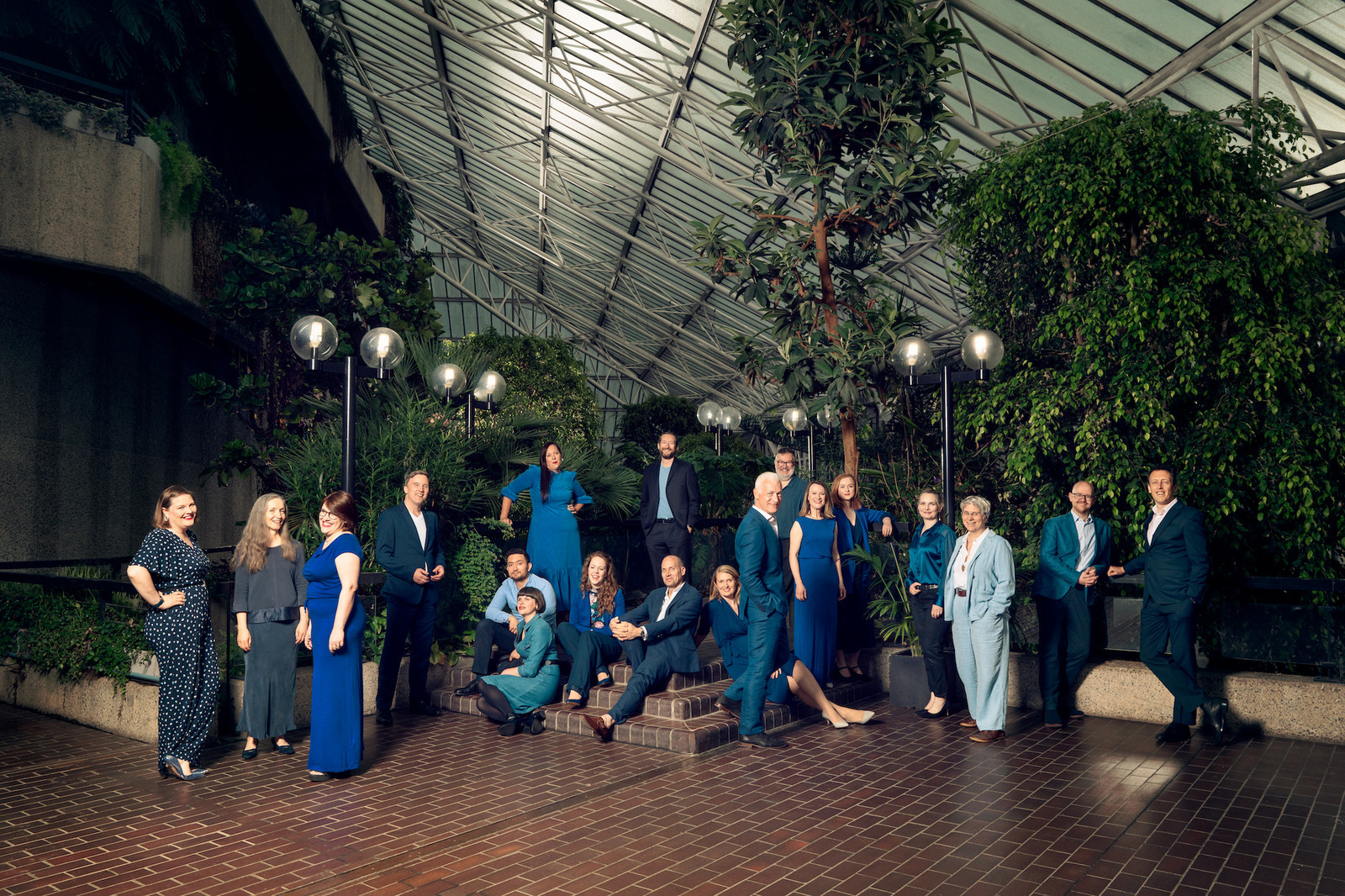
BBC Singers
BBC Singers
Stunning semi-improvised sections made for a compelling listening experience, enhanced by some stunning solo singing.
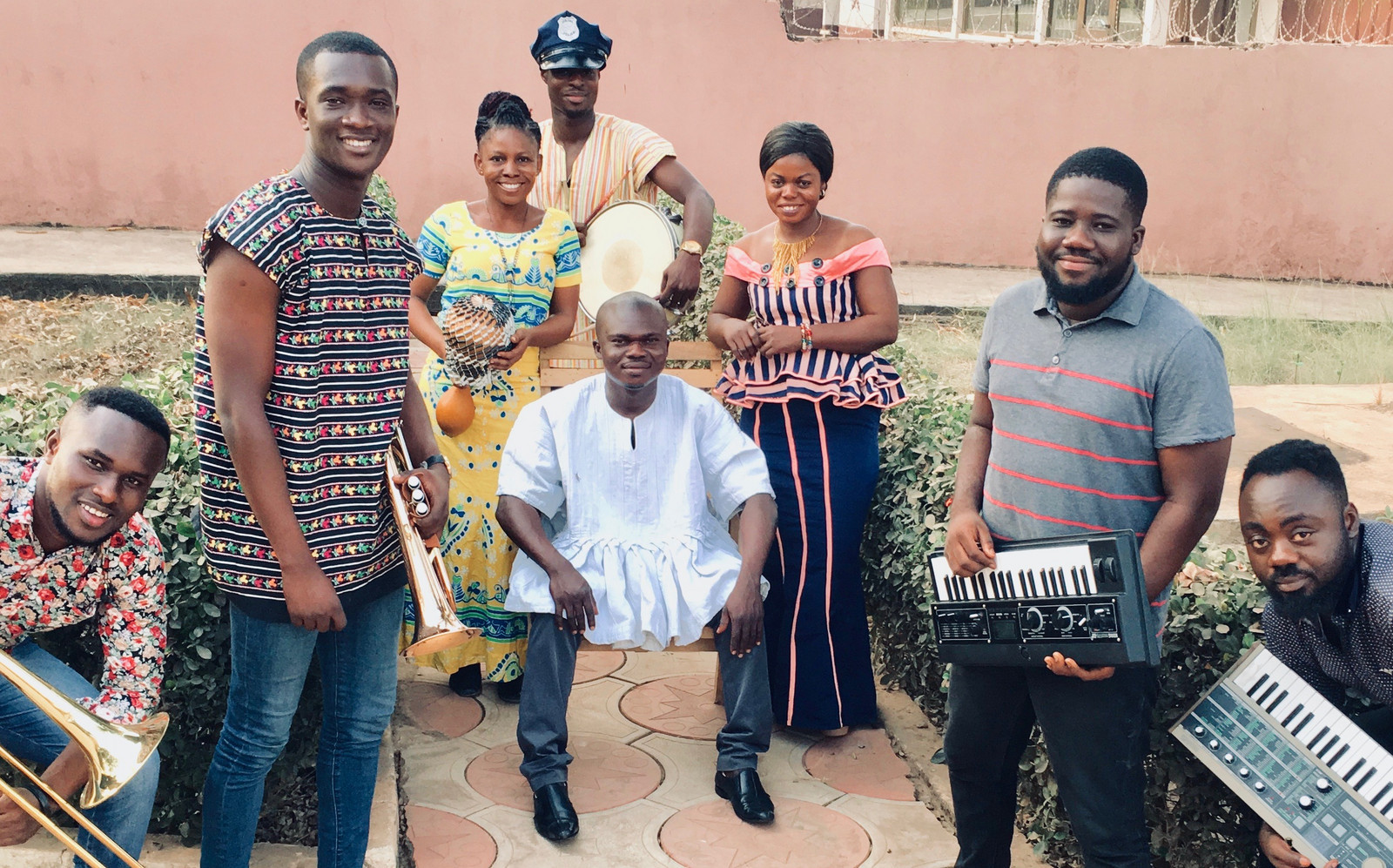
Alogte Oho & His Sounds of Joy
Alogte Oho & His Sounds of Joy
From the rainforests of Ghana, Alogte Oho brightens the rainy skies of Norwich with his enthusiastic Sounds of Joy.

Corto.alto
Corto.alto
This electric jazz performance had me shocked with how good it was.
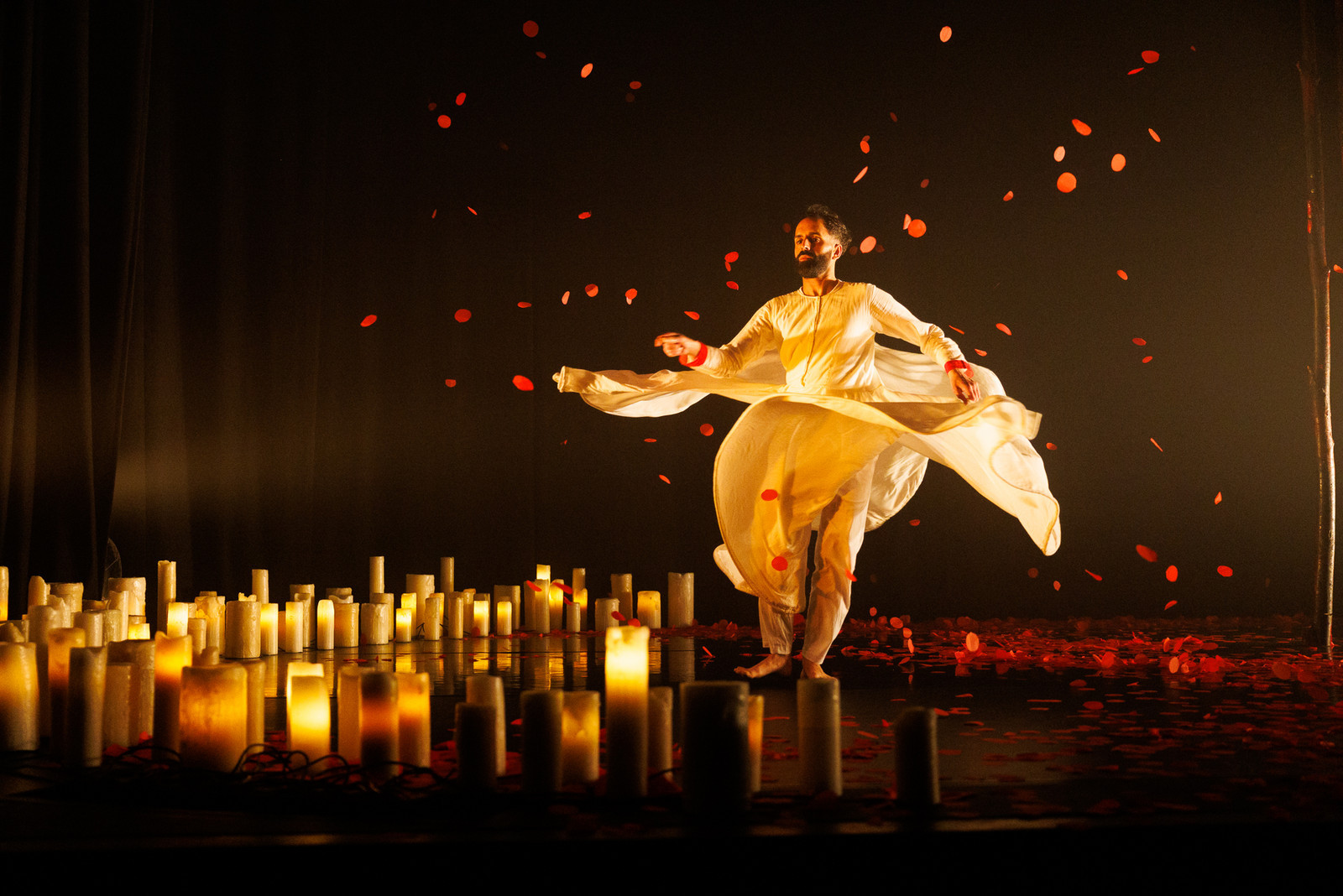
Toast + Songs of the Bulbul
Toast + Songs of the Bulbul
However many N&N shows you see, at least one Toast session should be part of the mix, especially if you can top it off with a Song of the Bulbul.
Apartment House
Apartment House
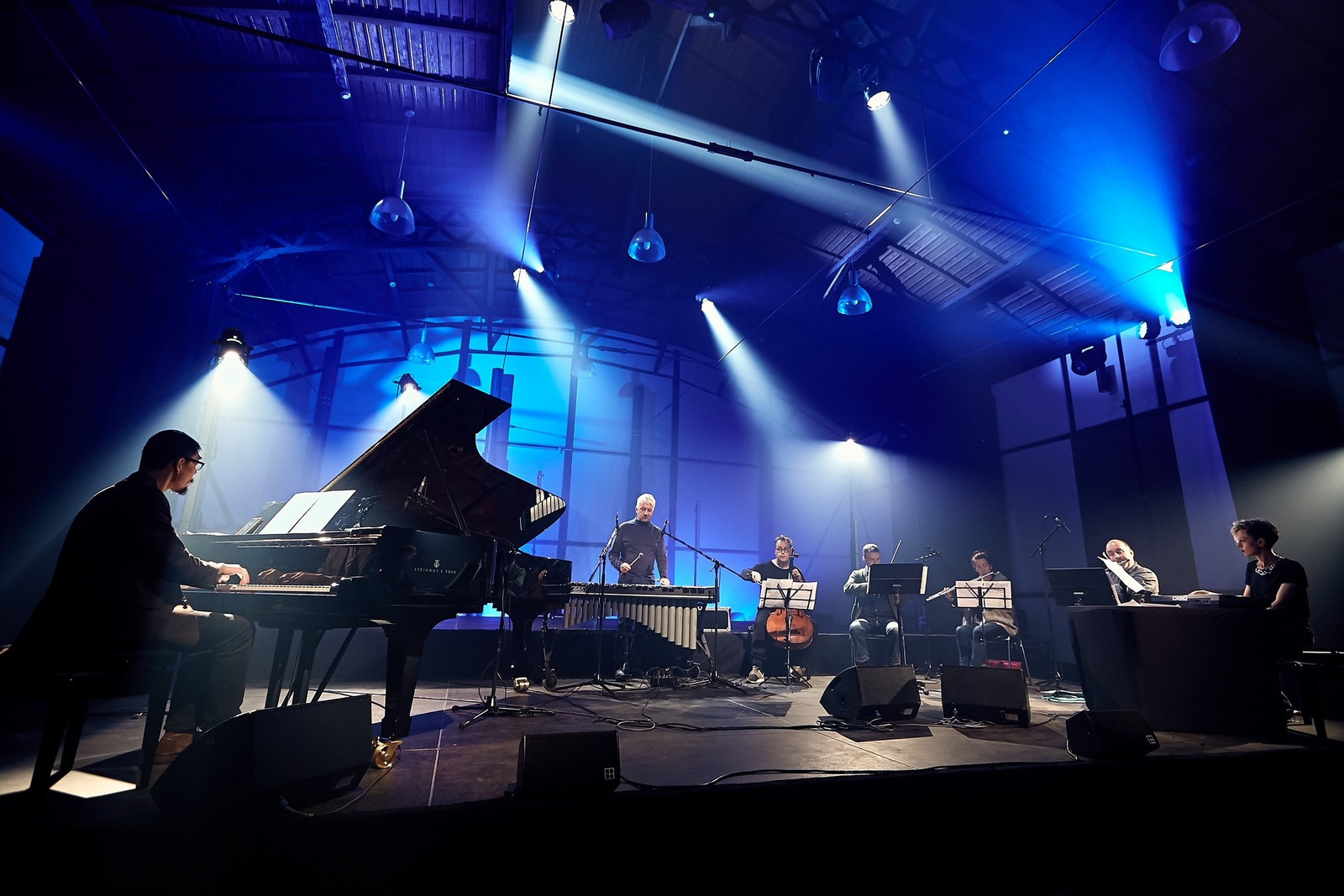
Apartment House's bold program of music spanned a hundred years of composition, each piece having an oblique but tangible connection with the next.
More by David Vass
Franz Ferdinand
Franz Ferdinand
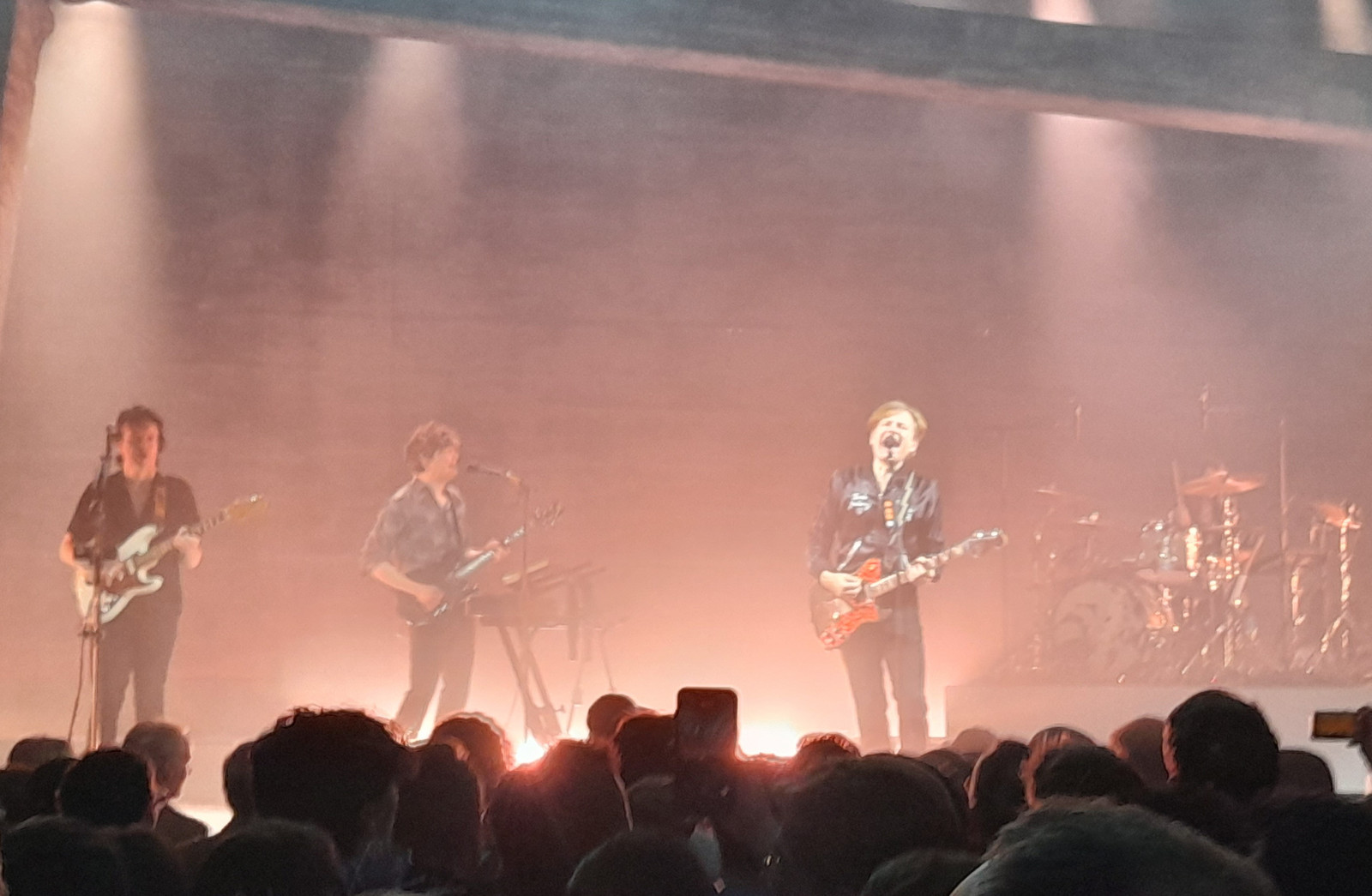
There was very little messing about, charging through song after song, so that when the band departed after an hour, having knocked seven bells out of the drumkit, it felt like only half that time had passed.

Ray O'Leary - Laughter? I Hardly Know Her
Ray O'Leary - Laughter? I Hardly Know Her
Ray O'Leary, is fair to say, has a distinctive way about him. Wild, curly hair. Beer belly out and proud. A face only a mother could love. And that suit. It's a look that says he knows exactly what he’s doing and that he does it very well.
Mogwai
Mogwai
I entered the LCR ready and willing to worship at the altar of their magnificence. Sadly, it didn't quite work out that way. At times this felt less about composition and more akin to ritual.
Kaiser Chiefs
Kaiser Chiefs
As Everyday is followed by I predict a Riot, Modern Way and Na Na Na Na Naa, it's a shocker to be reminded that noughties post-Britpop happened a long time ago.
Eliza Delf and the Wilderness
Eliza Delf and the Wilderness
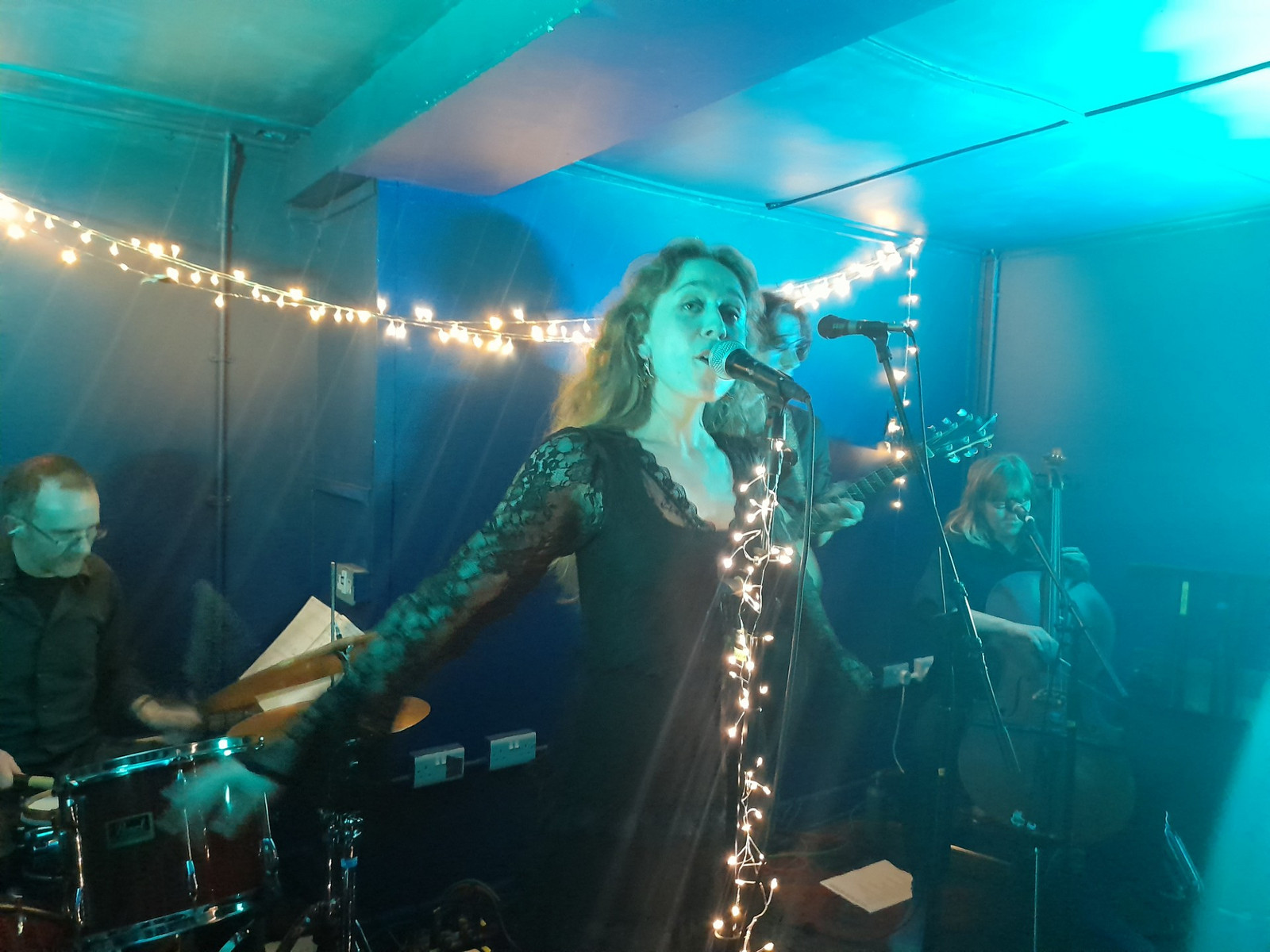
There's an evident energy to the band's performance that informs how they sound – to my mind with a rockier, edgy intensity I've not heard from them before. Whether it was born of enthusiasm having hibernated over winter, the intimacy of performing inches from their audience, or simply the room's acoustics, they have never sounded better.

Dear England
Dear England
This play about football was not really about football at all. It was a play about male bonding, humanity, mutual respect, facing your demons, and about meeting with triumph and disaster, and treating those two impostors just the same.
Related Articles
Band Night
Band Night
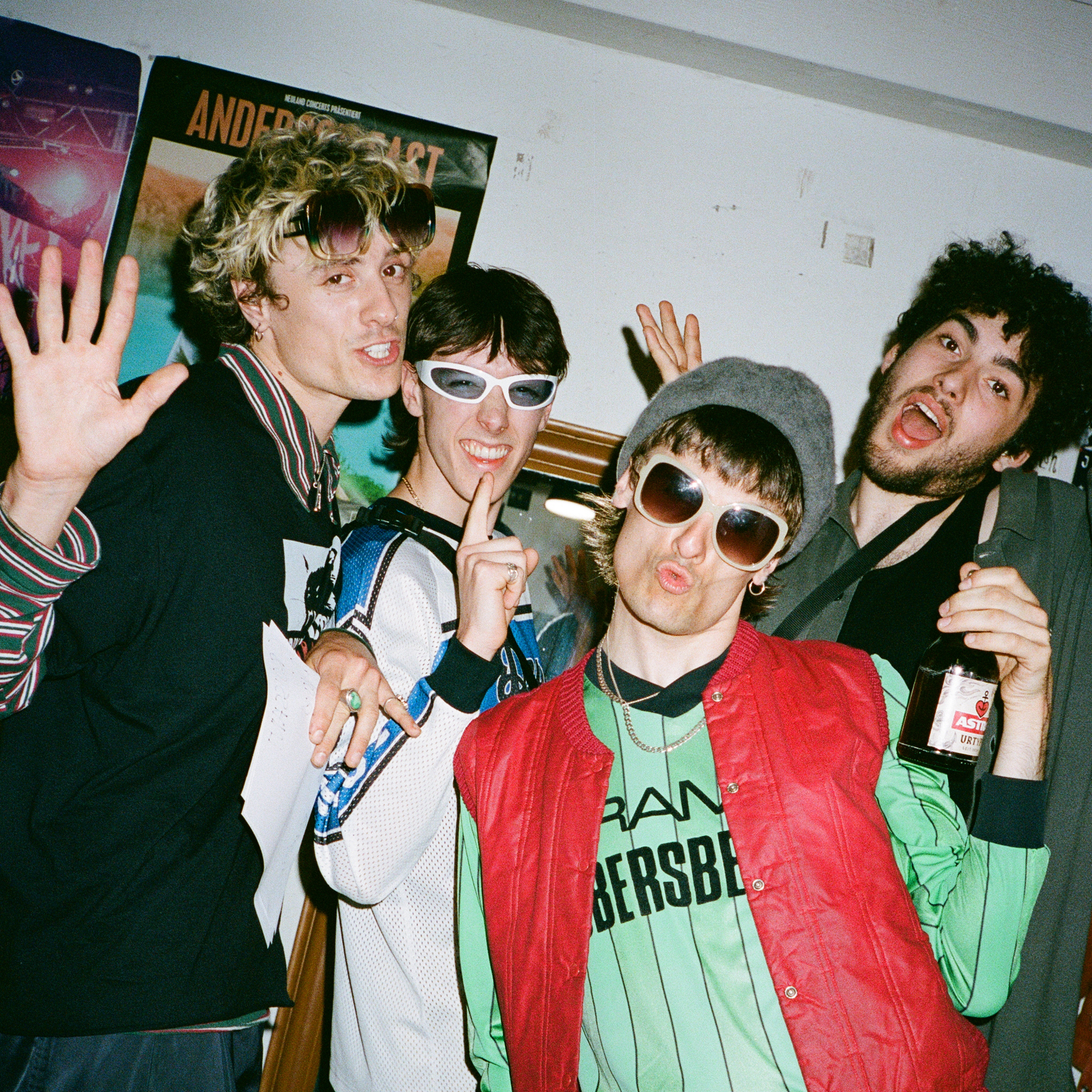
With a ticket price of just £10, this turned out to be one of the best value-for-money shows in the whole of the Norfolk & Norwich Festival programme.

Nabihah Iqbal
Nabihah Iqbal
A compelling journey across soundscapes and styles.
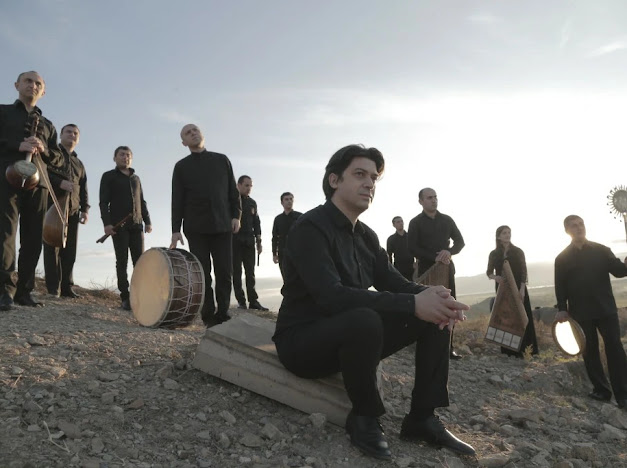
THE GURDJIEFF ENSEMBLE
THE GURDJIEFF ENSEMBLE
Once again, NNF broadens Pavlis’ musical horizons.

STILL HOUSE PLANTS
STILL HOUSE PLANTS
The upside of NNF is the chance to discover new and different things. The downside is that sometimes those things are just too different.
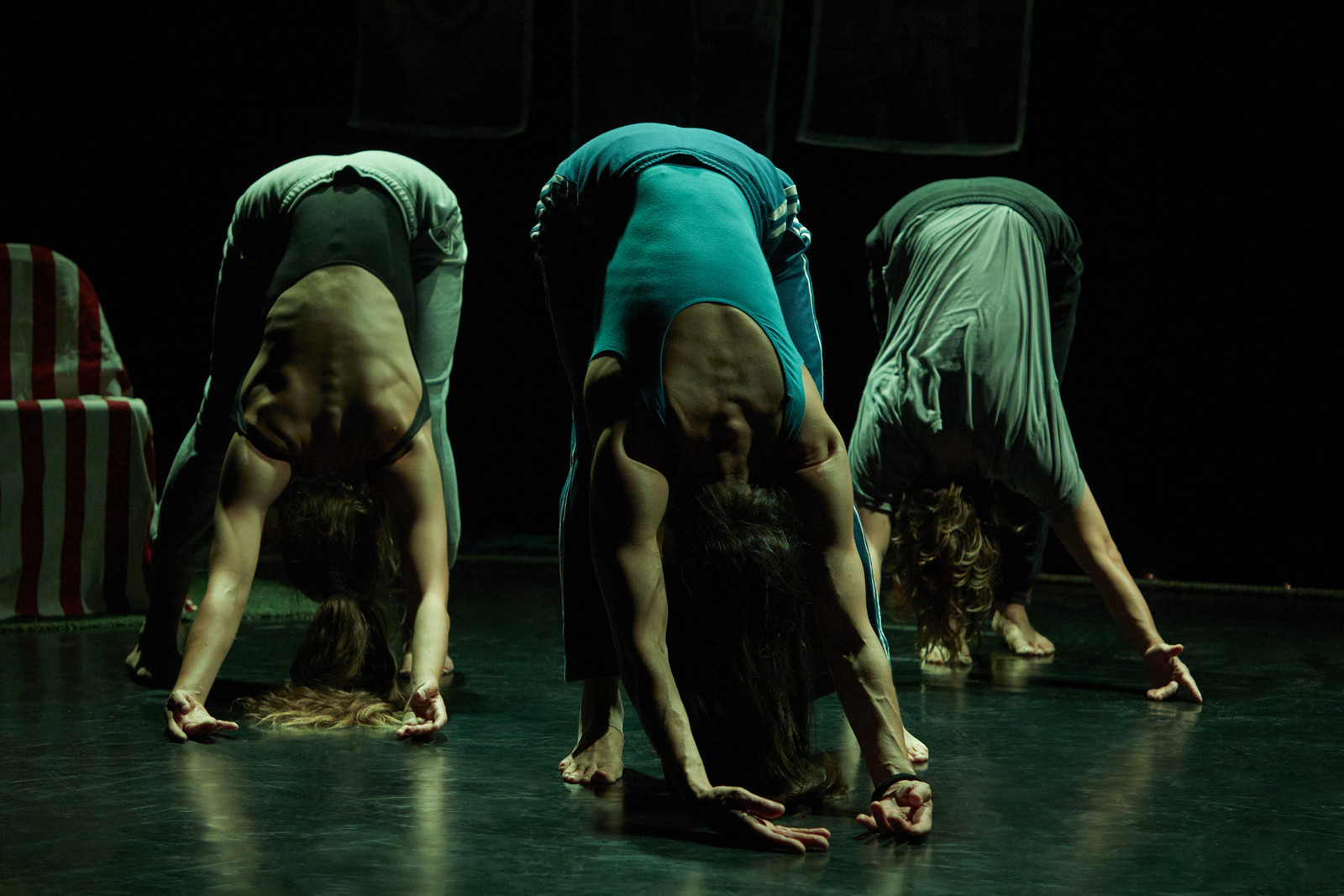
Show Pony
Show Pony
That audience, having clearly been won over by their winning personalities, lapped up every moment, hooted with laughter throughout, and repeatedly broke out into spontaneous applause, culminating in a standing ovation
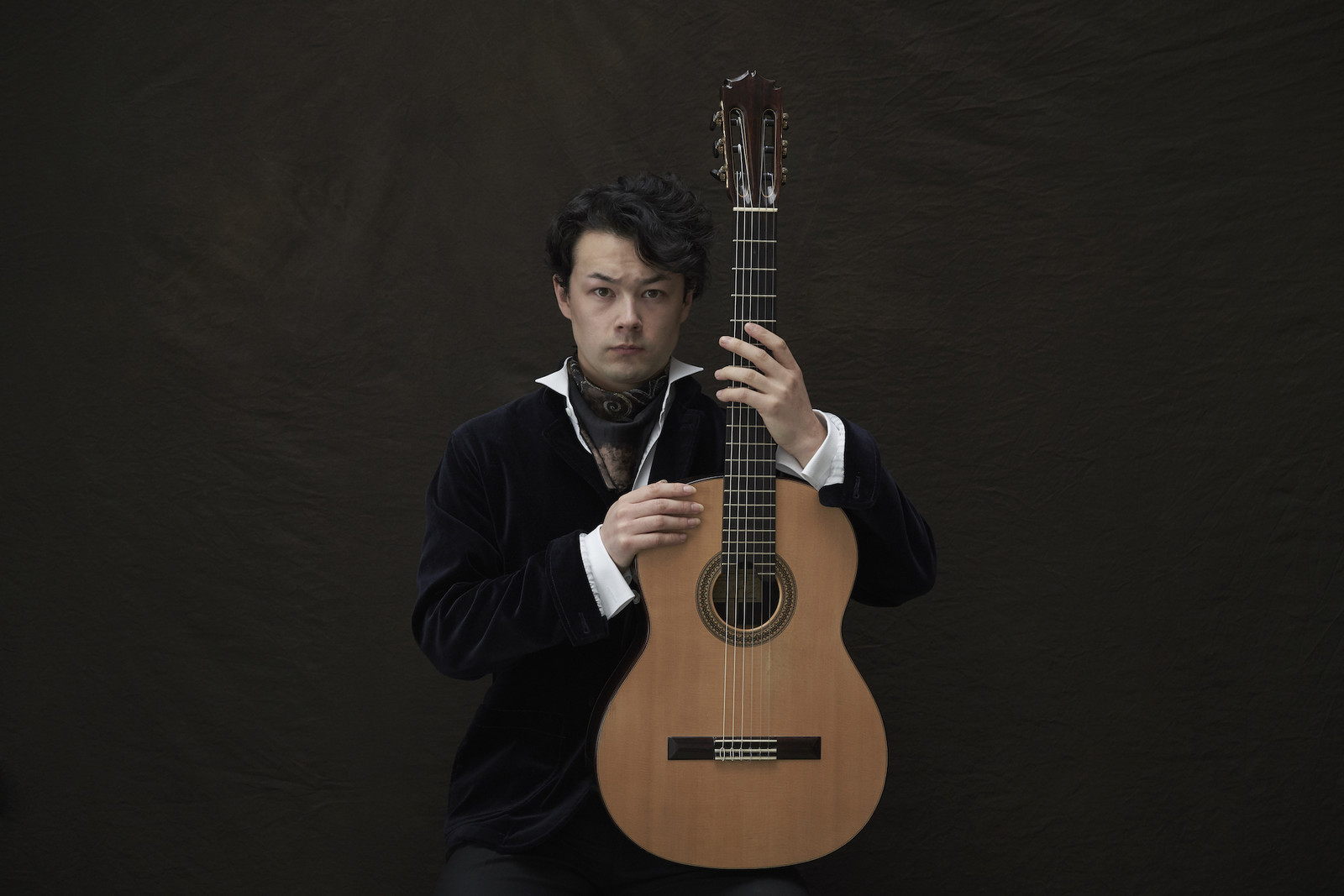
Sean Shibe
Sean Shibe
An engrossing, excellently programmed, performed and contextualised, selection.