
Sean Shibe
An engrossing, excellently programmed, performed and contextualised, selection.
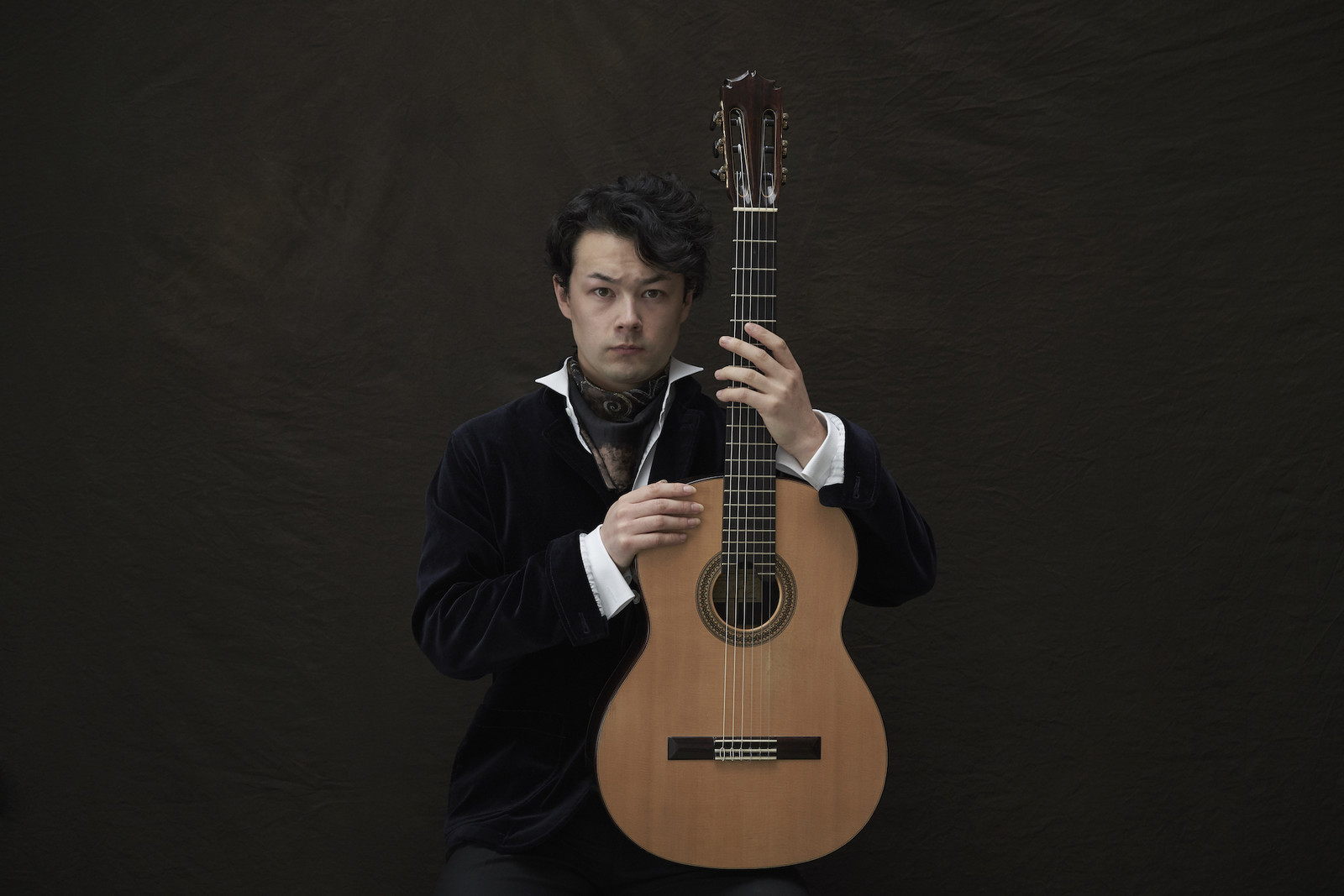
The first of three Norfolk and Norwich Festival performances by guitarist Sean Shibe was a varied and compelling recital at the Maddermarket Theatre. During a couple of lengthy spoken introductions/interludes Shibe sketched out an intriguing narrative of an ongoing – occasionally harmonious, more often not – dialogue between composers and performers that centred on sometime neglected works. The first of these was Frank Martin’s Quatre pièces brèves pour guitare which the Swiss composer dedicated to Andrés Sergovia, but which the Spanish guitarist rejected - Shibe recounts a story of Sergovia apparently crossing the street to avoid Martin. The four pieces make up a subtle, intriguing opening.
Shibe follows this with his own arrangement of Bach’s Cello Suite No 1 in G, a work so ubiquitous that including it in a programme of ‘forgotten’ works might initially seem bizarre. However, as the festival programme makes clear: it’s thought that the first performance of these pieces took place over a century after they were written.
Shibe explains that it was Julian Bream who – approximately three decades after they were written and ignored – revived Martin’s Quatre pieces, ensuring that they did not remain forgotten. He goes on to recount an anecdote about a planned composition by Harrison Birtwistle for Bream failing to materialise on account of difference of opinion about the fee for the piece. Birtwistle was eventually commissioned by Bream to compose a 2014’s Beyond the White Hand, but it is some brief earlier works (Oockooing Bird, Sad Song and Berceuse de Jeanne) which Shibe performs tonight. These provide a diverting interlude between the Bach and what turns out to be the focal point of the evening’s performance: Thomas Adès’ six part Forgotten Dances, a work that Shibe clearly holds in high esteem.
After experiencing his performance it’s easy to see why. This is complex, challenging music that, at it’s best, is totally captivating. The piece – which is Adès’ first composition for a solo instrument other than the keyboard - was premiered less than two years ago by Shibe. He has since toured Forgotten Dances extensively and gives every impression of wanting to continue to do this for some time. The captivating twenty-minute piece is remarkably varied. The highlight for me was the third part: Here was a Swift (for Max Ernst) which demanded some astounding virtuosity from Shibe.
Concluding the main set with the Adès (Shibe returns for a brief encore) provides a neat conclusion to the narrative begun during Shibe’s spoken introduction just over an hour earlier. We’ve moved from the dysfunctional musical relationship between Martin and Sergovia to a thriving, productive understanding between composer and performer. All in all, an engrossing, excellently programmed, performed and contextualised, selection.
More Norfolk & Norwich Festival
Clarissa Connelly
Born in Scotland, raised in Denmark, and now based in Copenhagen, she’s a composer and multi-instrumentalist with a reputation for blending everything from William Blake’s poetry to French philosophy into her sound.

Corto.alto
This electric jazz performance had me shocked with how good it was.
BBC Singers
Stunning semi-improvised sections made for a compelling listening experience, enhanced by some stunning solo singing.
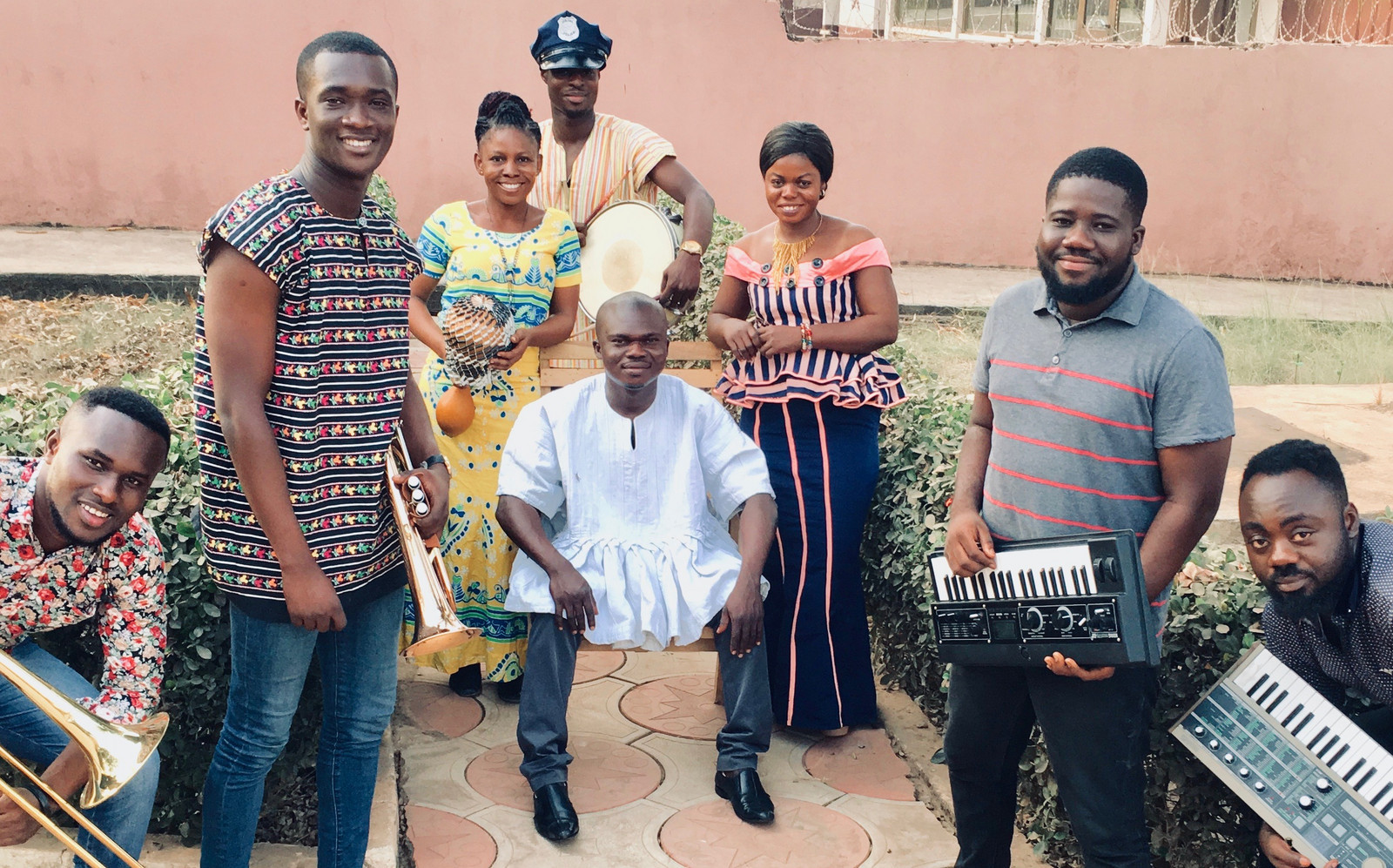
Alogte Oho & His Sounds of Joy
From the rainforests of Ghana, Alogte Oho brightens the rainy skies of Norwich with his enthusiastic Sounds of Joy.
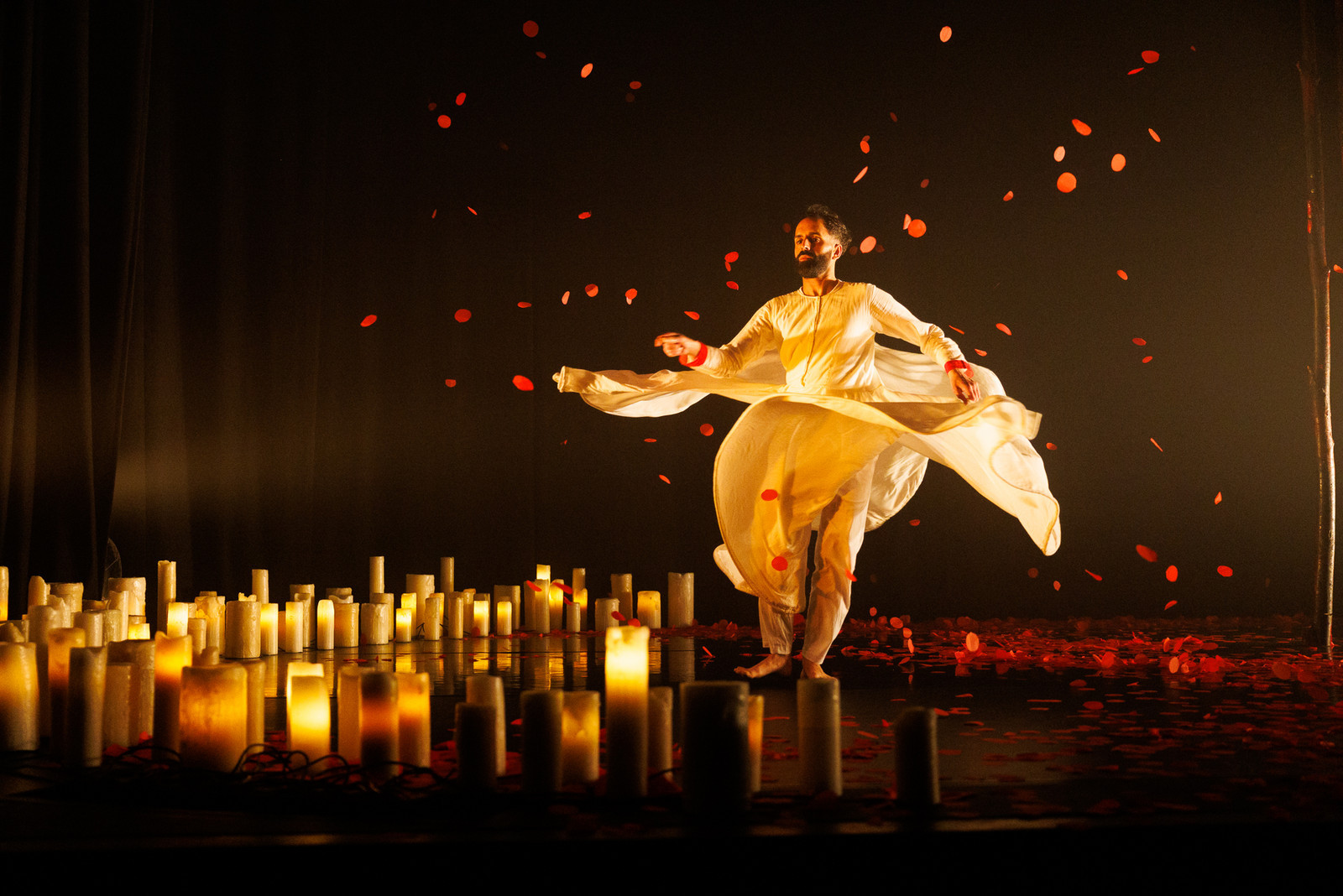
Toast + Songs of the Bulbul
However many N&N shows you see, at least one Toast session should be part of the mix, especially if you can top it off with a Song of the Bulbul.
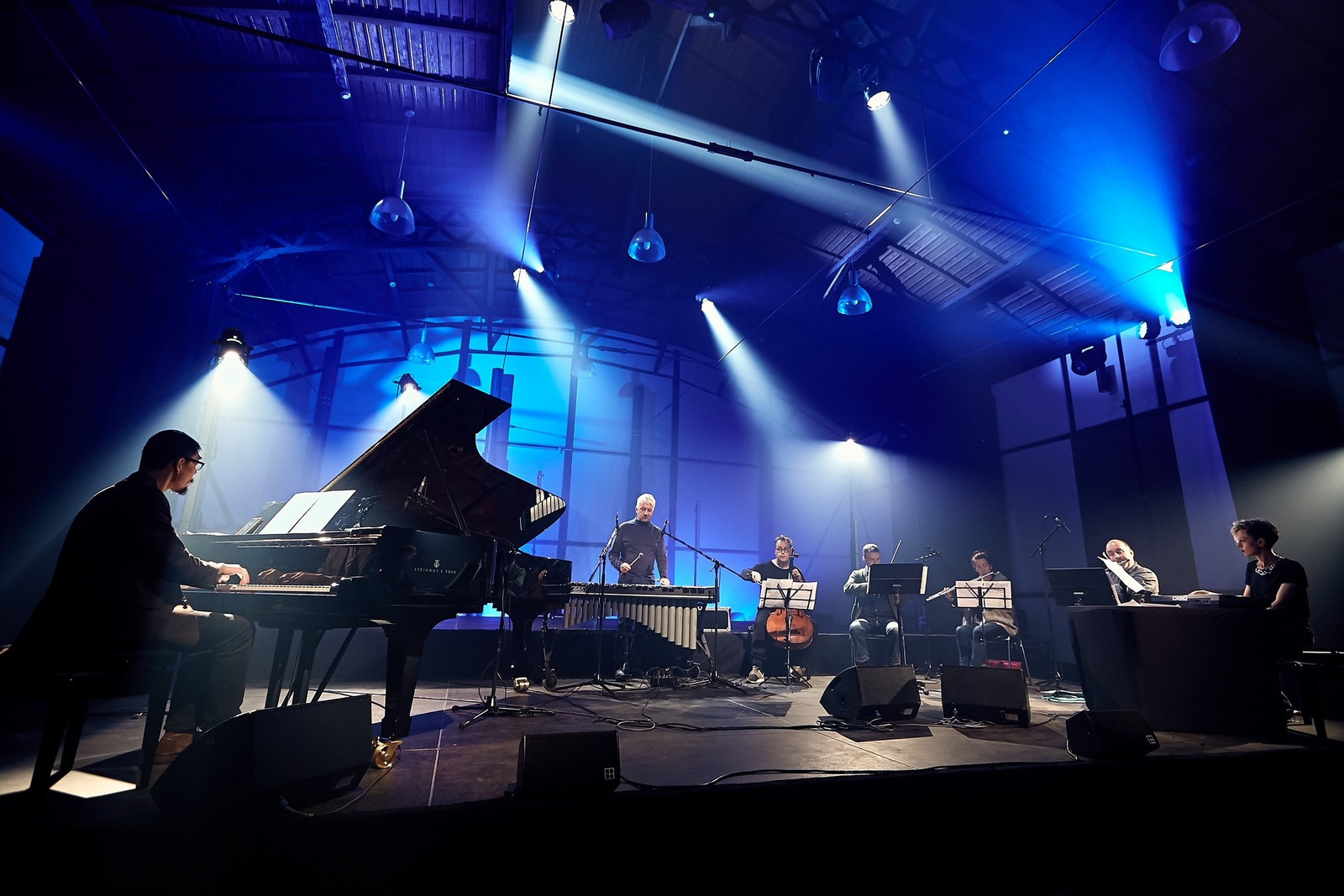
Apartment House
Apartment House's bold program of music spanned a hundred years of composition, each piece having an oblique but tangible connection with the next.
More by Tom Lincoln (photo supplied)
Alan Sparhawk (of Low)
An evening of extraordinary, compelling music at the Arts Centre.
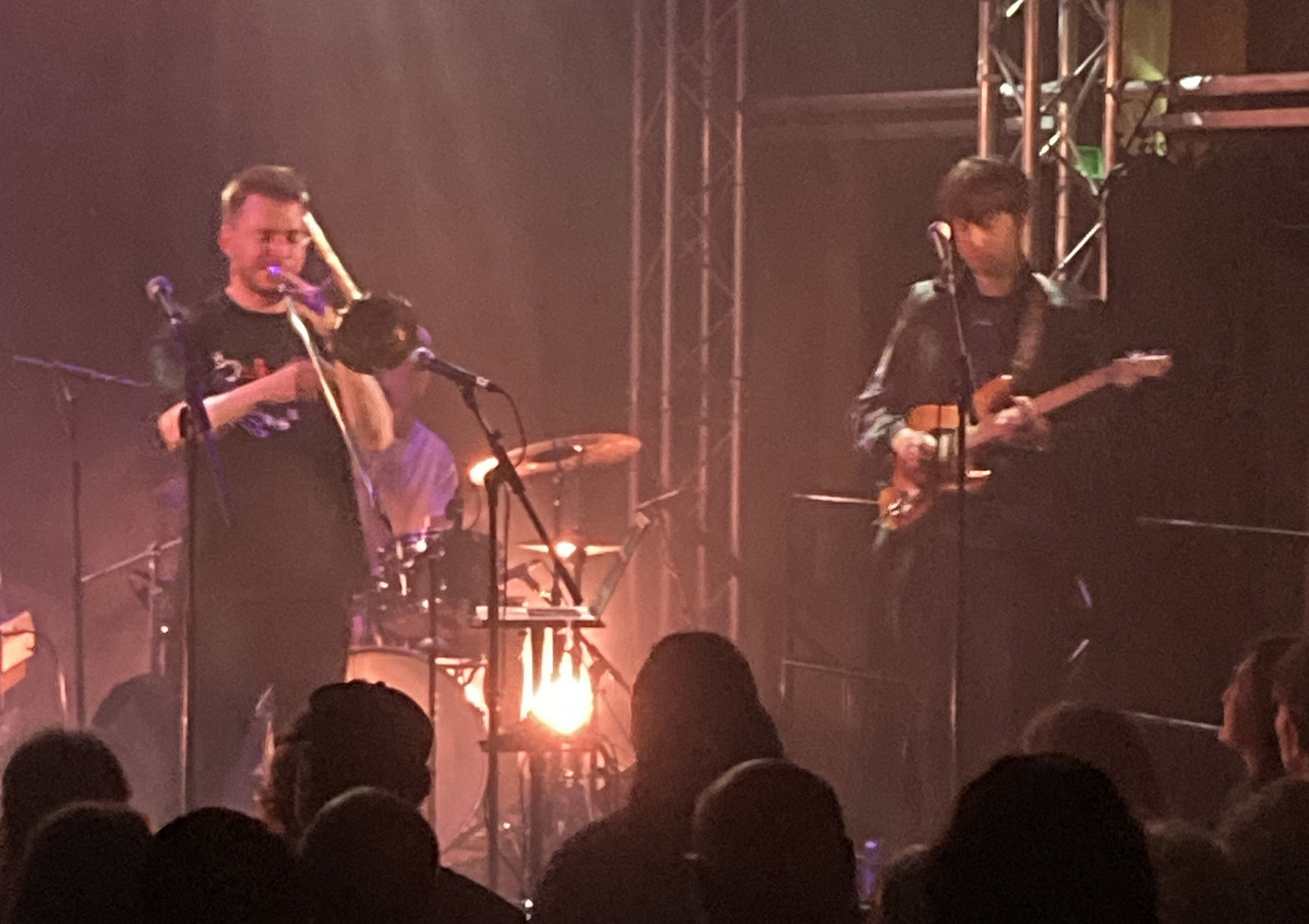
Ebi Soda (Norwich Jazz Festival)
The six-piece band are completely captivating.
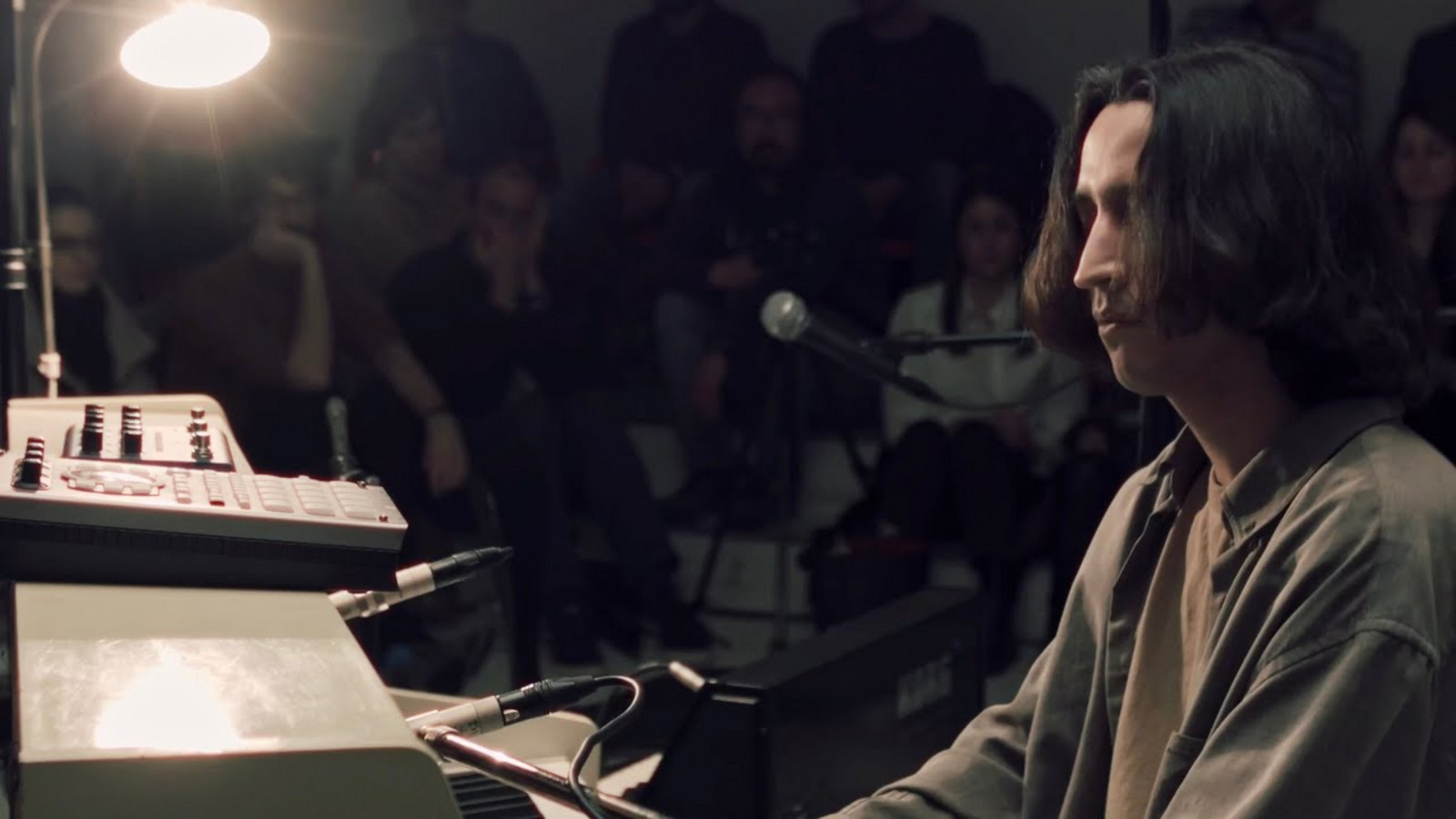
Sergio Díaz de Rojas
Thoughts of beauty, fragility and hard-won calm and gratitude emerge from this music
Related Articles
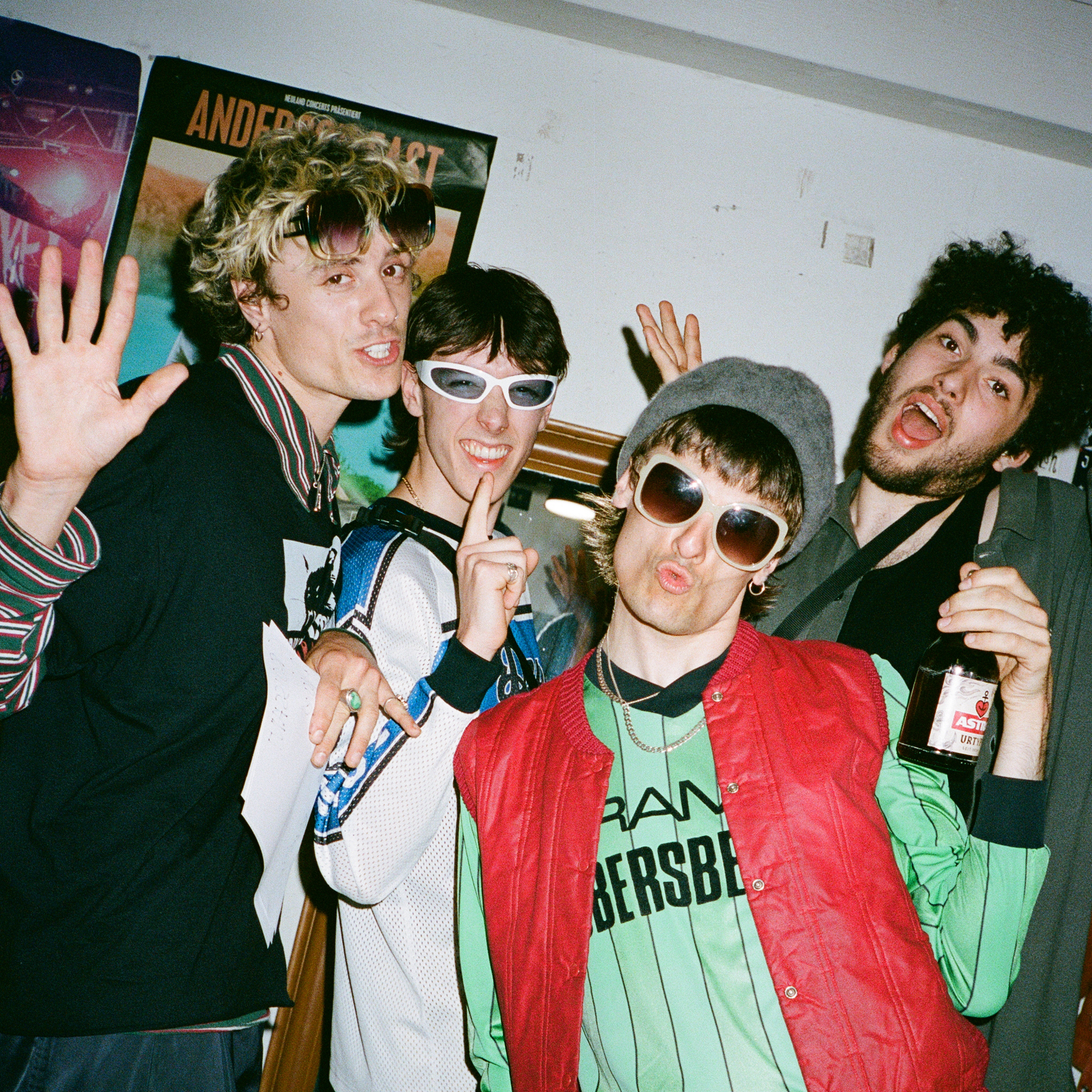
Band Night
With a ticket price of just £10, this turned out to be one of the best value-for-money shows in the whole of the Norfolk & Norwich Festival programme.
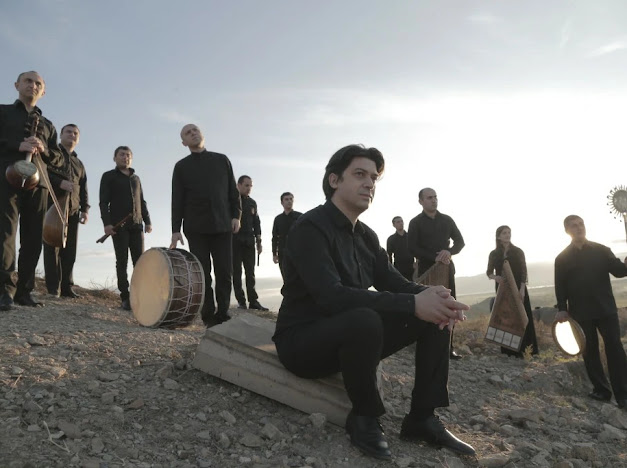
THE GURDJIEFF ENSEMBLE
Once again, NNF broadens Pavlis’ musical horizons.

Nabihah Iqbal
A compelling journey across soundscapes and styles.

STILL HOUSE PLANTS
The upside of NNF is the chance to discover new and different things. The downside is that sometimes those things are just too different.
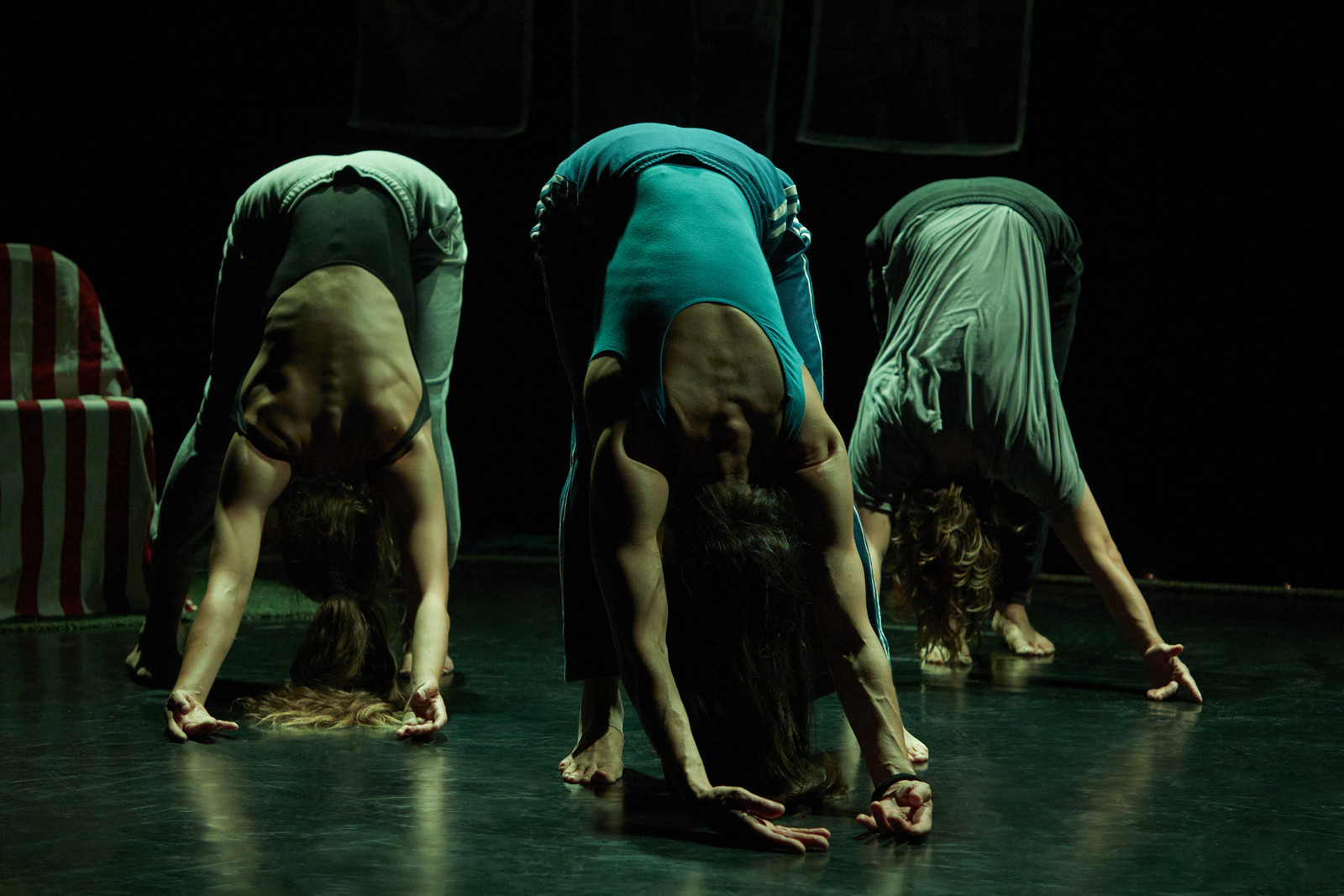
Show Pony
That audience, having clearly been won over by their winning personalities, lapped up every moment, hooted with laughter throughout, and repeatedly broke out into spontaneous applause, culminating in a standing ovation
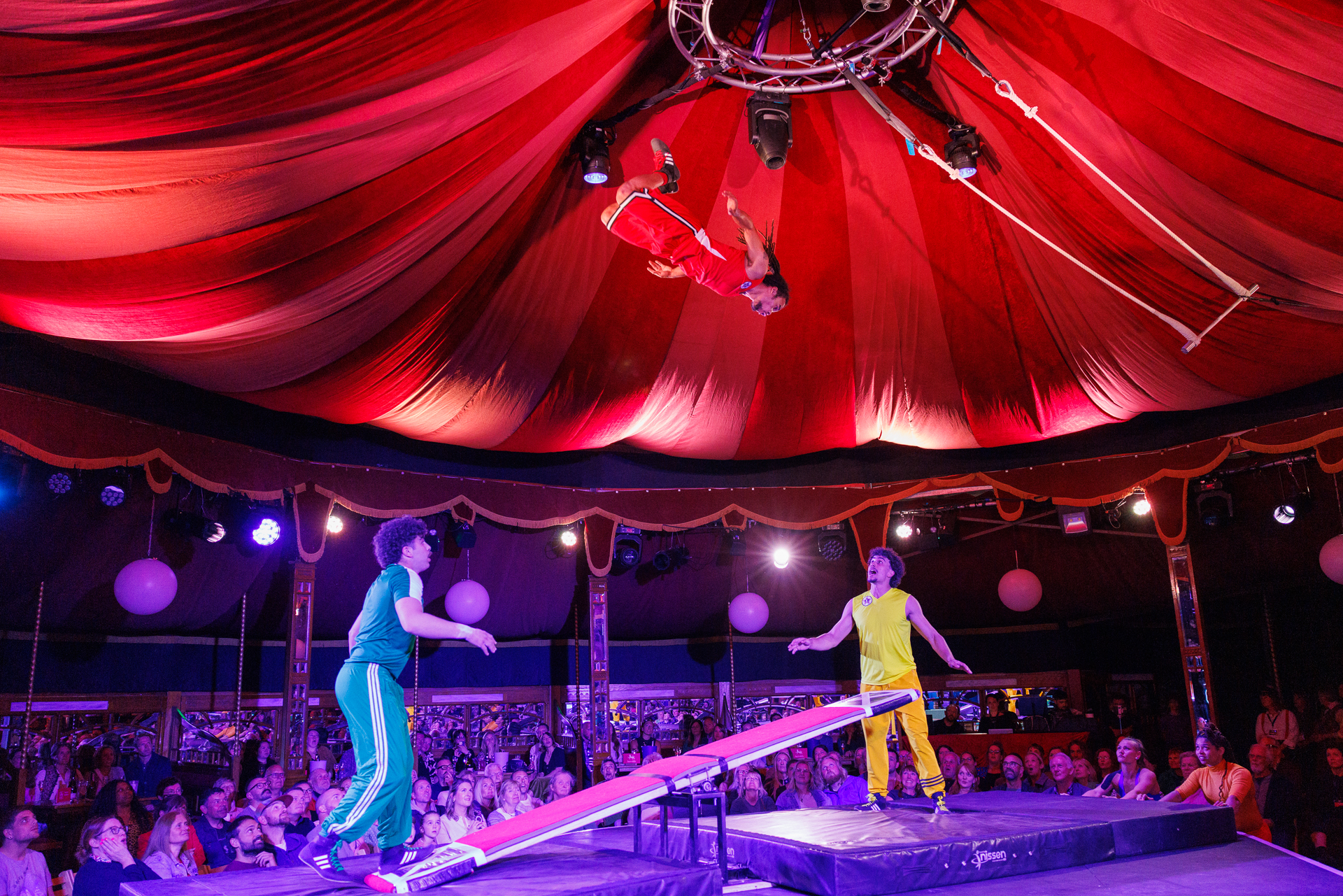
Showdown
This is an absolute MUST SEE for the Spiegeltent. An hour of entertainment perfect for adults, young children and teens alike.