
Sergio Díaz de Rojas
Thoughts of beauty, fragility and hard-won calm and gratitude emerge from this music
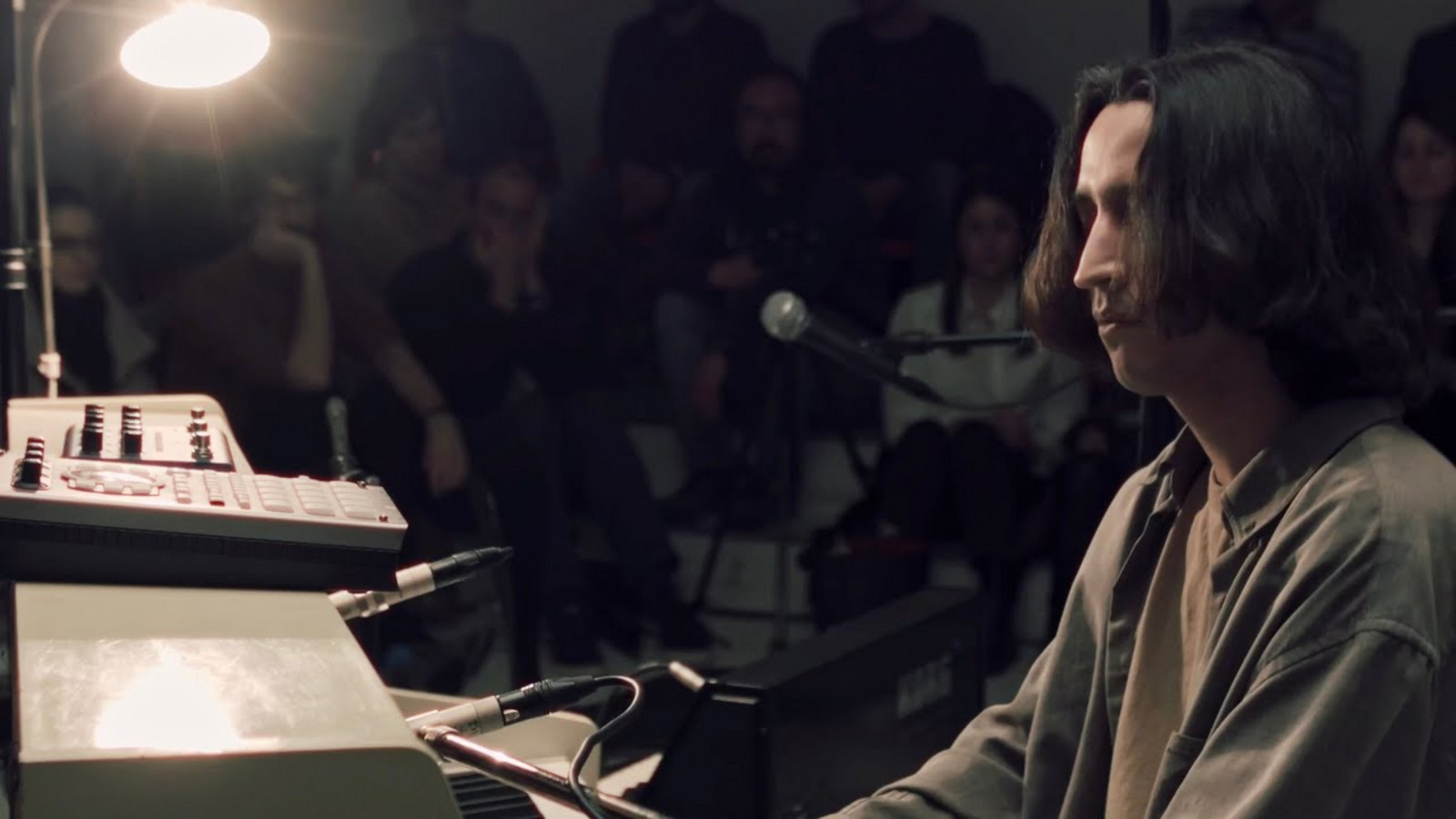
Some excellent pianists have performed their own compositions at the Arts Centre over the last few years – Lubomyr Melnyk, James Heather and Erland Cooper spring to mind – but perhaps the most memorable will prove to be Sergio Díaz de Rojas, whose beautiful hour-long set on Wednesday night provided as warm and engaging a performance as I’ve experienced for some time.
A Peruvian musician, based in Hamburg, Sergio is currently mid-way through a tour in support of his forthcoming ‘Forgotten Fragments’ album, due to be released in December. The pieces he plays from this album complement selections from earlier in his career, including a number from 2023’s ‘Muerte en una tarde de verano,’ an album that I’ve been listening to a lot recently, while remaining unaware of the context in which it was composed. Between pieces, Sergio explains that the album was created in response to his thoughts on his grandfather, a composer who took his own life when Sergio was a child.
Thoughts of beauty, fragility and hard-won calm and gratitude emerge from this music. This is art which deserves and rewards quiet focus. Above all, I realise, contemplating the music two days later, the effect is one of compassion.
In an interview from the time of the release of ‘Muerte en una tarde de verano’ Sergio says: ‘For me, words are effective but they aren’t compassionate. I can use them to explain my thoughts but they won’t offer solace — that’s what music does. Words will perfectly tell what I did wrong but only the right melody and chord progression will allow me the opportunity to heal. Only after expressing my ideas and feelings through music am I able to speak about them.’
It's a succinct summary of the power of music to connect and heal. The way that listening to, or creating, music can help enable our emotions and thoughts to form new connections, while simultaneously bringing us together a communal way, will always be both remarkable and impossible to fully elucidate in words. As a friend of mine wrote to me recently, after I mentioned that I had been listening to a Bach violin partita that he recommended me years ago: ‘what a thing it is. Nothing else quite like it and I don’t want to try and sum it up in any way. It’s beyond all that somehow.’ Finding artists, or works of art, that resonate in this way is a beautiful, life-affirming thing. If he hadn’t been booked to perform at the Arts Centre on a cold, February evening, it’s most likely that I would never have connected with the music of Sergio Díaz De Rojas in this way.
More Live Reviews
Franz Ferdinand
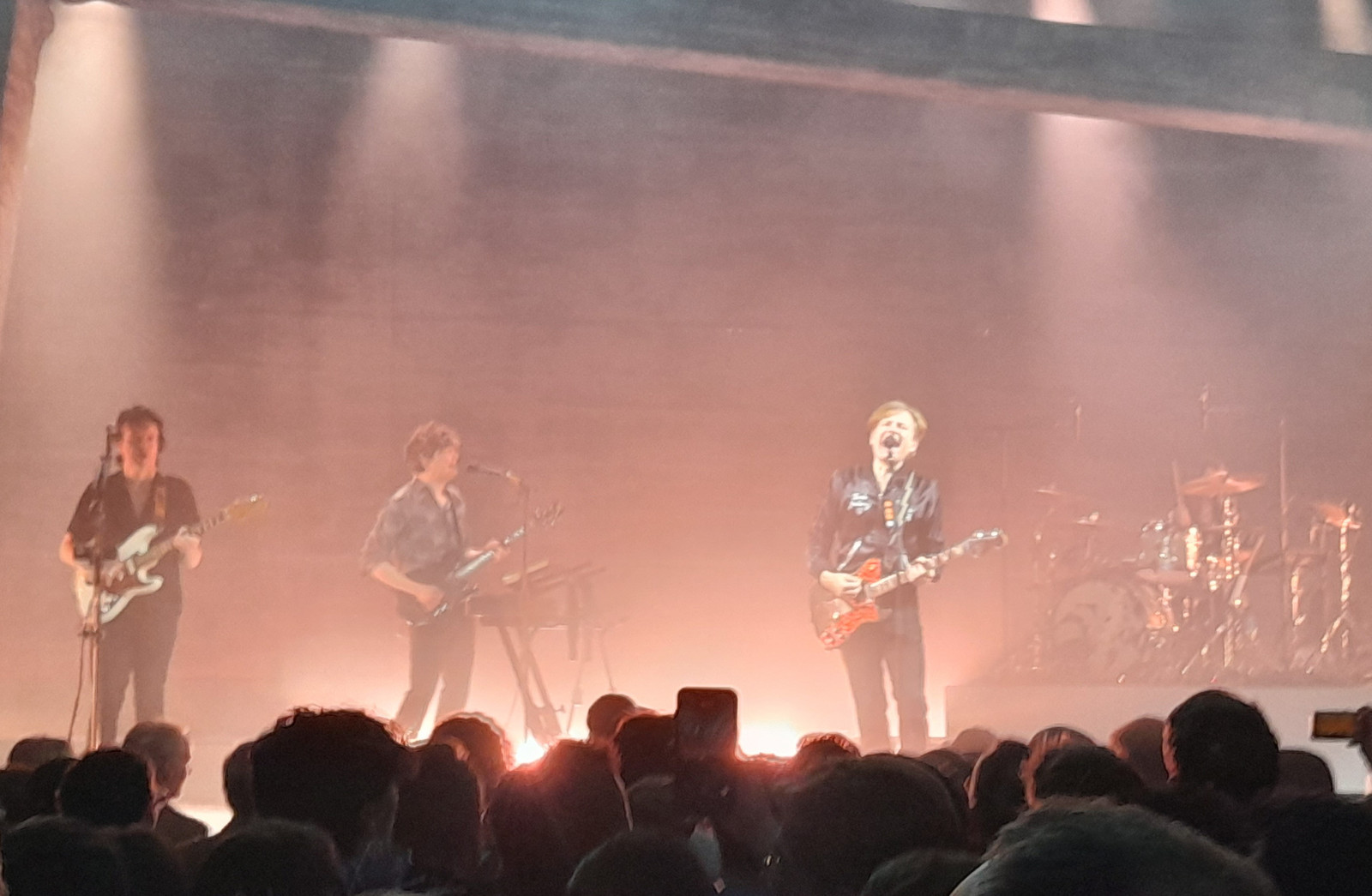
Franz Ferdinand
There was very little messing about, charging through song after song, so that when the band departed after an hour, having knocked seven bells out of the drumkit, it felt like only half that time had passed.
Offbeat Collective
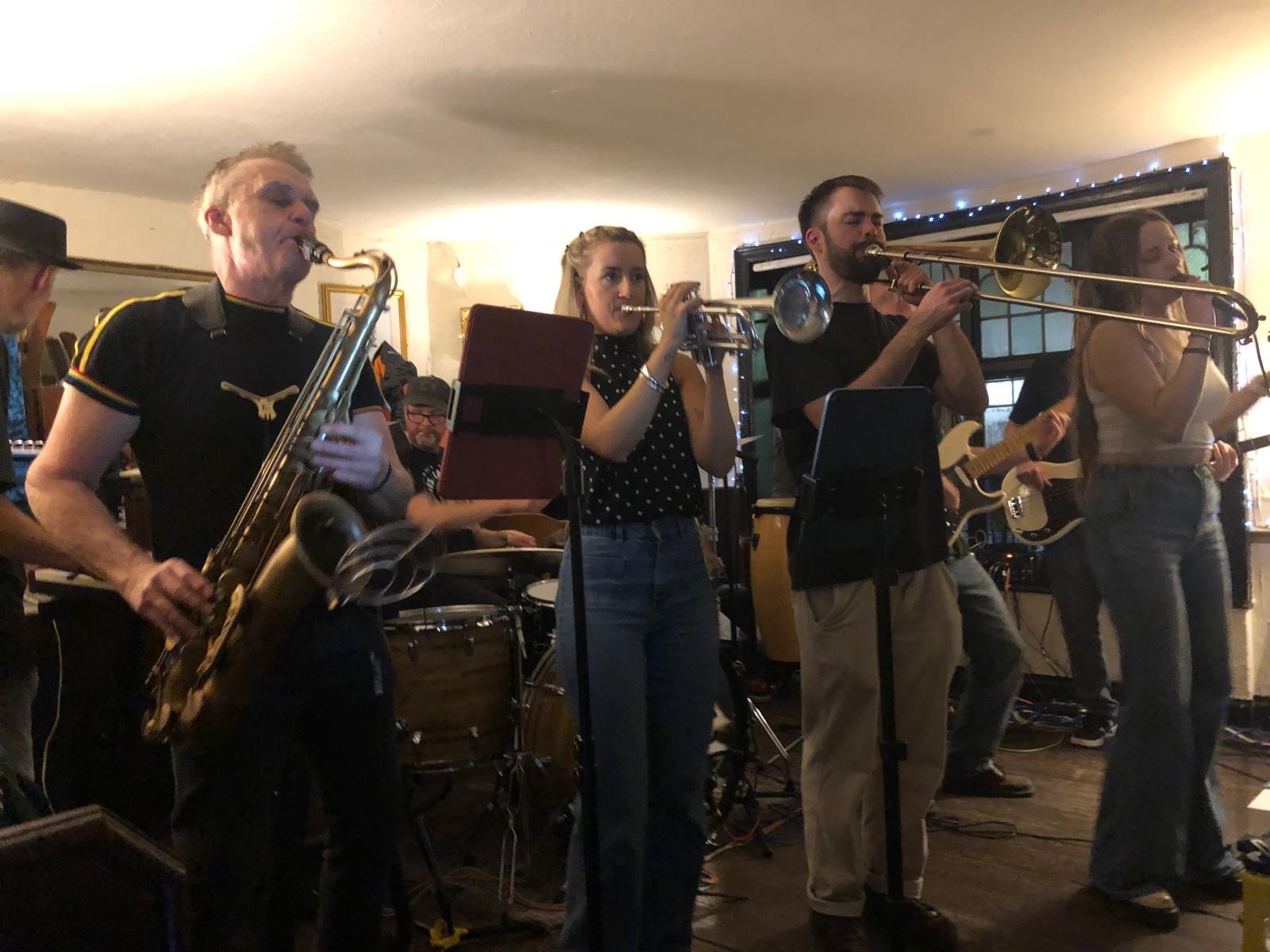
Offbeat Collective
Eight members, eight different instruments, one cosy pub and the distinct and addictive sound of reggae and soul.

Dream Nails
Dream Nails
Whilst Dream Nails may be self-proclaimed musical witches, their love for their audience is clear to see.

Absolute Bowie
Absolute Bowie
My only disappointment – he didn't do The Laughing Gnome, or Little Fat Man.
Sinkhole
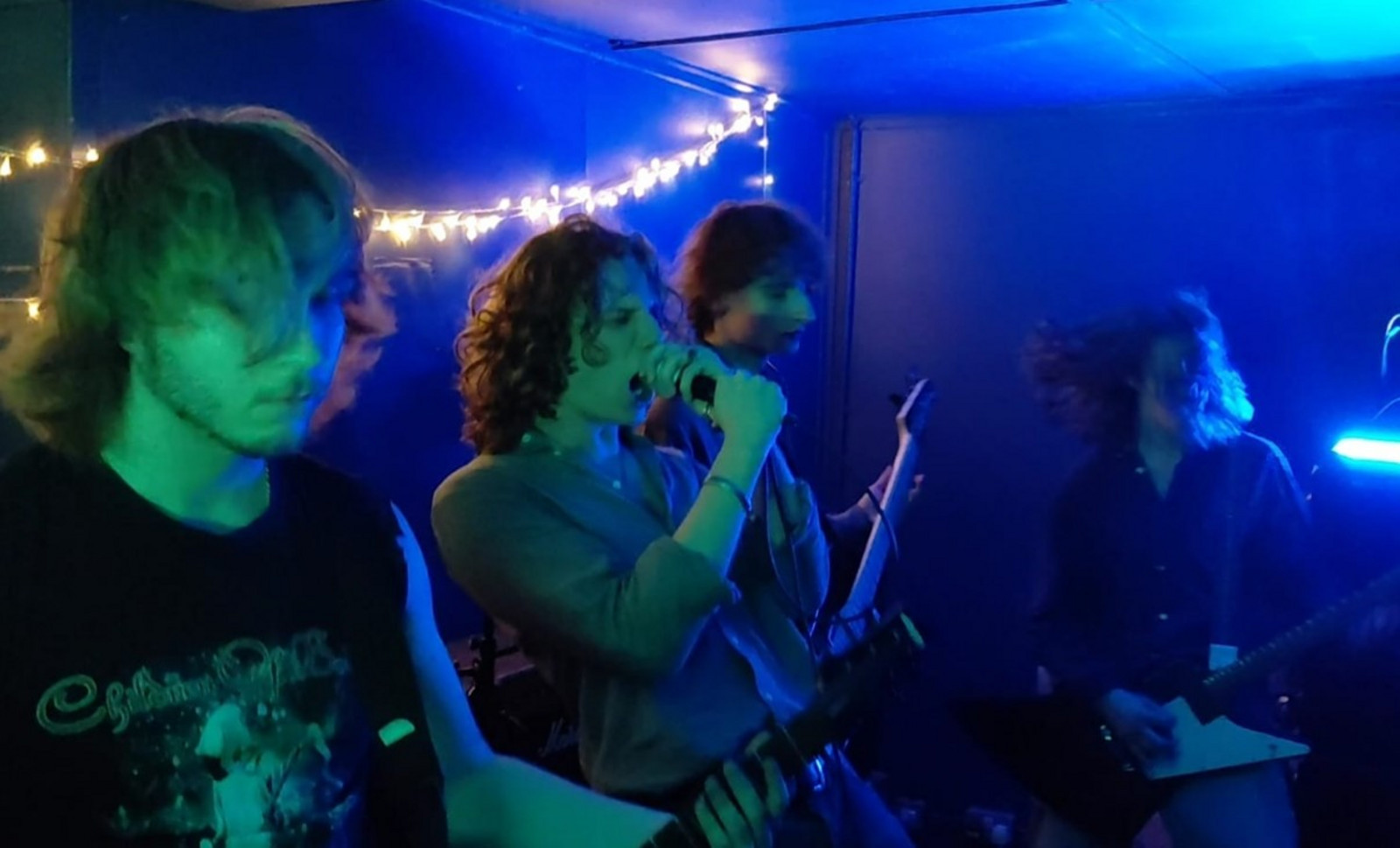
Sinkhole
Norwich’s next big thing has arrived, once and for all…
Mogwai
Mogwai
I entered the LCR ready and willing to worship at the altar of their magnificence. Sadly, it didn't quite work out that way. At times this felt less about composition and more akin to ritual.
More by Tom Lincoln (photo supplied)
Alan Sparhawk (of Low)
Alan Sparhawk (of Low)
An evening of extraordinary, compelling music at the Arts Centre.
Ebi Soda (Norwich Jazz Festival)
Ebi Soda (Norwich Jazz Festival)
The six-piece band are completely captivating.
Sean Shibe
Sean Shibe
An engrossing, excellently programmed, performed and contextualised, selection.
Related Articles

Kezia Gill
Kezia Gill
From Las Vegas to Benidorm in just over 90 minutes – how many other gigs take you on a journey like that?
Kaiser Chiefs
Kaiser Chiefs
As Everyday is followed by I predict a Riot, Modern Way and Na Na Na Na Naa, it's a shocker to be reminded that noughties post-Britpop happened a long time ago.
Chloe Foy
Chloe Foy
Her voice reminds me of Lucy Rose, and her honesty and bravery in delivering the new songs in particular was both endearing and moving.
ASH & BAG OF CANS
ASH & BAG OF CANS
Nostalgia be damned, Ash are as relevant now as they have ever been.
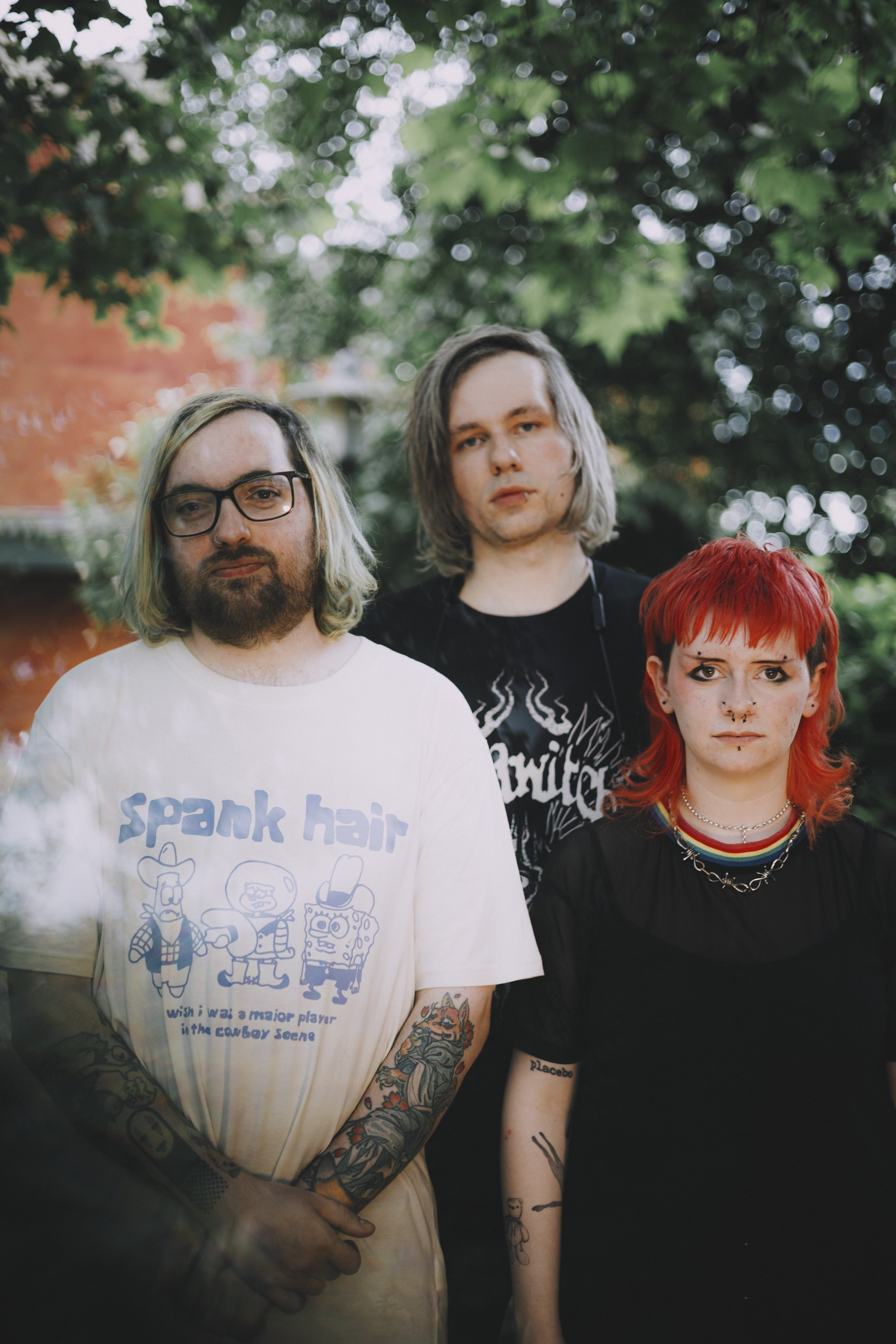
MOUNTAIN PEAKS - WHAT COULD HAVE BEEN (I COULD HAVE BEEN MORE)
MOUNTAIN PEAKS - WHAT COULD HAVE BEEN (I COULD HAVE BEEN MORE)
Pavlis has to apologise for a long delayed review of a scorcher of an EP.
ADULT DVD & SILVERWINGKILLER
ADULT DVD & SILVERWINGKILLER
The hottest ticket at Wild Paths 2025 - which Pavlis missed - come back to Norwich. Was it worth the wait? Hell yeah.