
Fiddler On The Roof
A powerful production of a classic Broadway musical that will leave you with its message burning into your conscience long after you have left the theatre.

Photo: Norwich Theatre
Whilst many of us are familiar with the story of Tevye, the Jewish milkman from the small Ukrainian village of Anatevka, it may come as a surprise to learn that the original 'Tevye The Dairyman' was a novel written by Yiddish author Solem Aleichem, first published in 1894. But, it was American playwright Joseph Stein that penned the story that, in 1964, became the Broadway musical 'Fiddler On The Roof', and later an Academy Award winning film, and with both starring Israeli actor Chaim Topol.
However, it was a production last year by Regent's Park Open Air Theatre that really caught the critics' attentions, leading to a limited season this summer at The Barbican in London, and now a 15 theatre UK tour, of which Norwich Theatre Royal is stop number two.
Set at the beginning of the last century, in a village on the Eastern edge of Imperial Russia, an area known as the Pale of Settlement where Jews were allowed to live, the title of the piece comes from an old expression used to describe the balance and the precariousness of life for Jews living under Russian rule. In Tom Scott’s set design, the idea is taken somewhat literally, with a thatched 'roof', looking rather like one of those aerial walkways from 'I'm A Celebrity Get Me Out Of Here', slung across the stage, and which rises and falls to draw our attention to The Fiddler (performed this week by British-Ukrainian violinist Roman Lytwyniw) as he plays to the family below. And, as milkman Tevye explains, “A fiddler on the roof. Sounds crazy, no? But here, in our little village of Anatevka, you might say every one of us is a fiddler on the roof, trying to scratch out a pleasant, simple tune without breaking his neck. It isn't easy”
And that is how this moving story of how Tevye, the impoverished but proud Jewish father, his wife and five daughters is told, with them all strivng to preserve family tradition and history, and with Welshman Matthew Woodyatt (albeit at times sounding more like Rhodd Gilbert than a Ukrainian milkman) playing the part of Tevye with patriarchal pride as he strives to keep a roof over their heads.
The musical score, performed by an eleven piece ensemble, and led by conductor Livi Van Warmelo from behind their 'Fields of Gold' threshold, is emotionally bang on target, totally capturing the mood and spirit of the period, and Julia Cheng’s choreography fills the stage with passion and energy - the wedding dance featuring five young men balancing bottles on their hats is just one highlight amongst many.
Songs like 'Matchmaker, Matchmaker', 'If I Were A Rich Man', and 'Sunrise, Sunset' are so familiar that you might not even realise where you had heard them before, but blend them with the emotional intensity of 'To Life', 'Do You Love Me?' and 'Far From The Home I Love', and you have a musical score that grabs you by the heartstrings and refuses to release its grip.
With a cast which comprises two parents, five daughters, and also their respective suitors, it is hard to pick out individual performances. However, for me, it was certainly Matthew Woodyatt that led the field, closely followed by Jodie Jacobs as his wife, Golde. Special mention in despatches, though, to Dan Wolff as aspiring tailor Motel, Greg Bernstein as reactionary tutor Perchik, and to Natasha Juliet Bernard as eldest daughter, Tzeitel.
And as each of the three eldest daughters find their own life partners, they still find themselves forced to leave the village (and with Fyedka also being ostracised for marrying outside of the Jewish faith). And, as Tevye and Golde and their two remaining daughters decide to leave for America, the story suddenly seems to acquire a desperately contemporary narrative. Aleichem's original story remains a harrowing reminder of how pogroms and prejudices preceded crimes, hatred and holocausts in the last century, and one cannot help be reminded how events in Gaza now are becoming horrifically similar to what happened in Russia over a hundred years ago.
This is a powerful production of a classic Broadway musical that will leave you with its message burning into your conscience long after you have left the theatre.
More Musical Reviews

Carousel - Norfolk and Norwich Operatic Society
Another fabulous production from the entire team at Norfolk & Norwich Operatic Society.
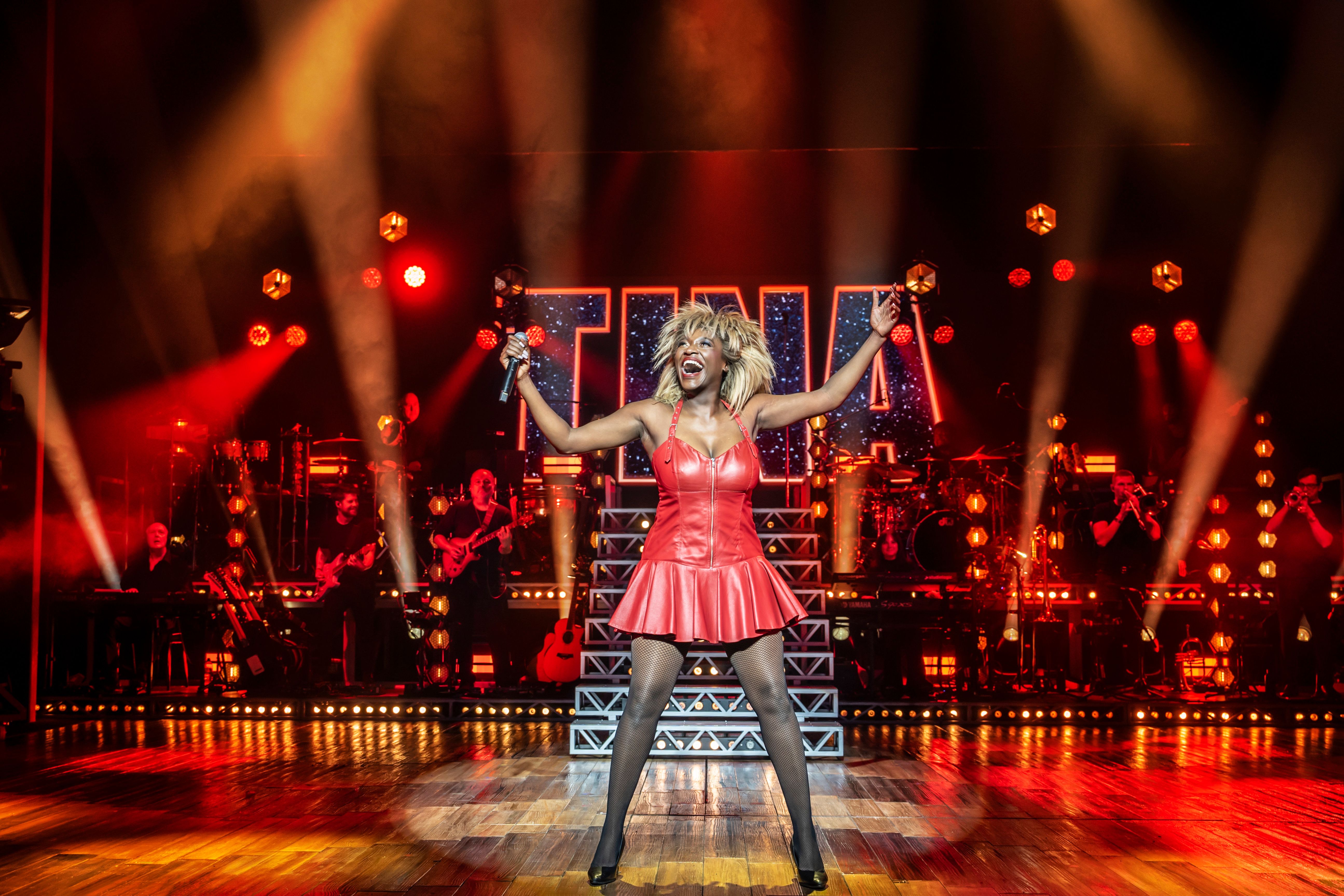
Tina : The Tina Turner Musical
‘Tina’ brought the life story and legacy of rock icon Tina Turner to the stage and it was simply, The Best.
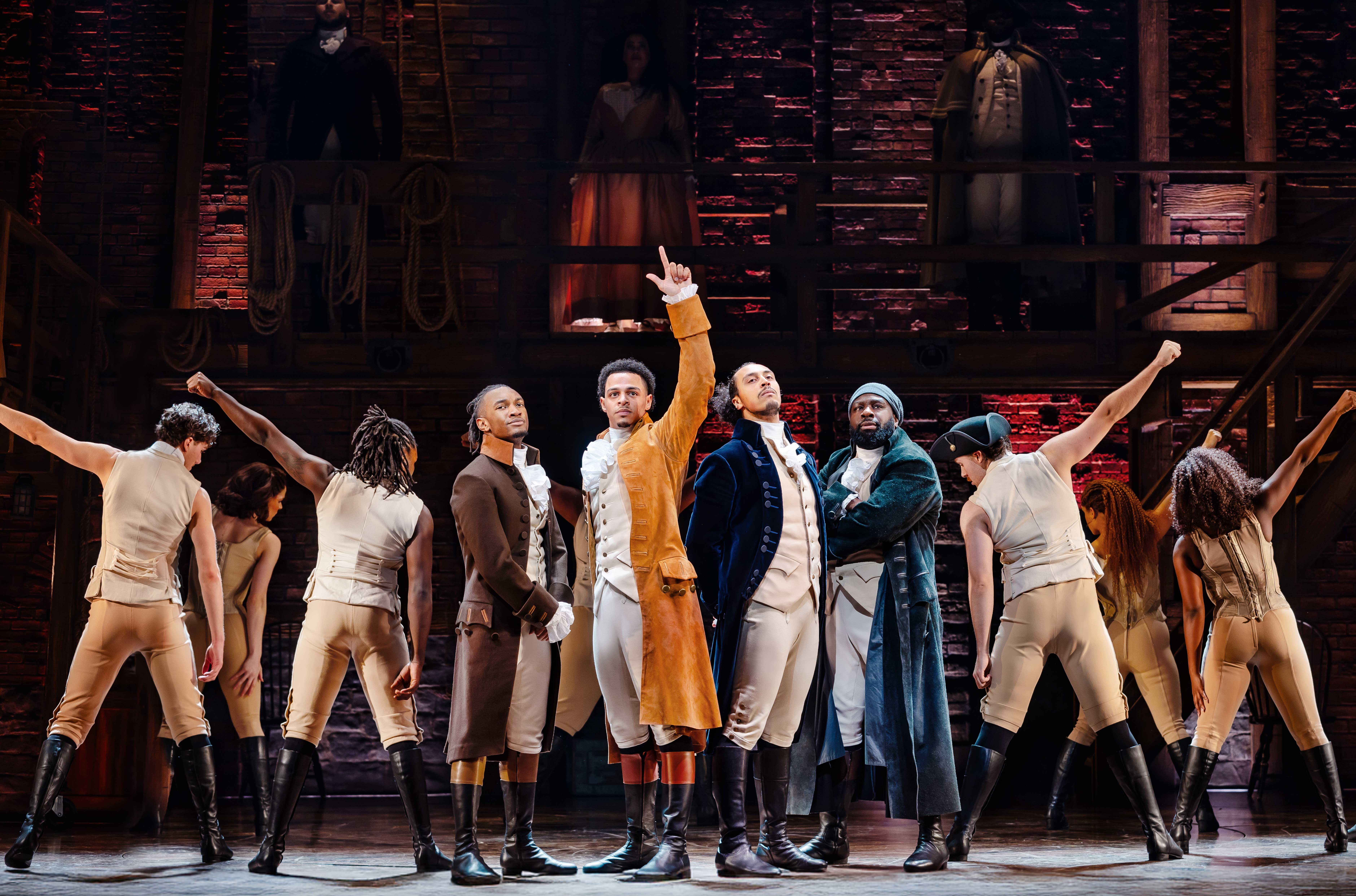
Hamilton
Lin-Manuel Miranda’s Broadway blockbuster Hamilton brings the founding fathers to Norwich in a revolutionary performance.
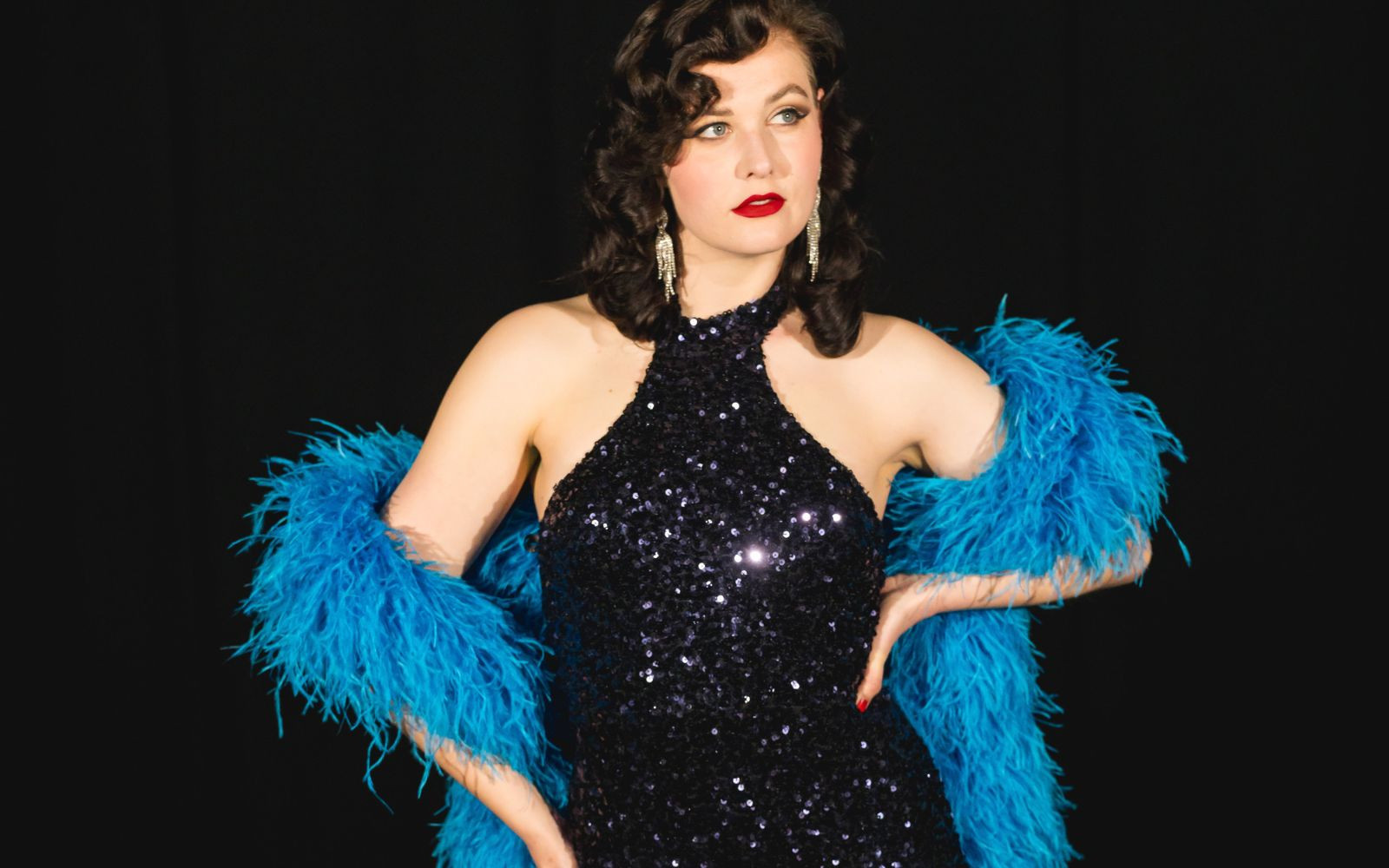
Gypsy: The Musical
The Sound Ideas Theatre company’s Gypsy was entirely breath taking and incredible to see, for only a theatre half full, they deserved it to be sold out every night.
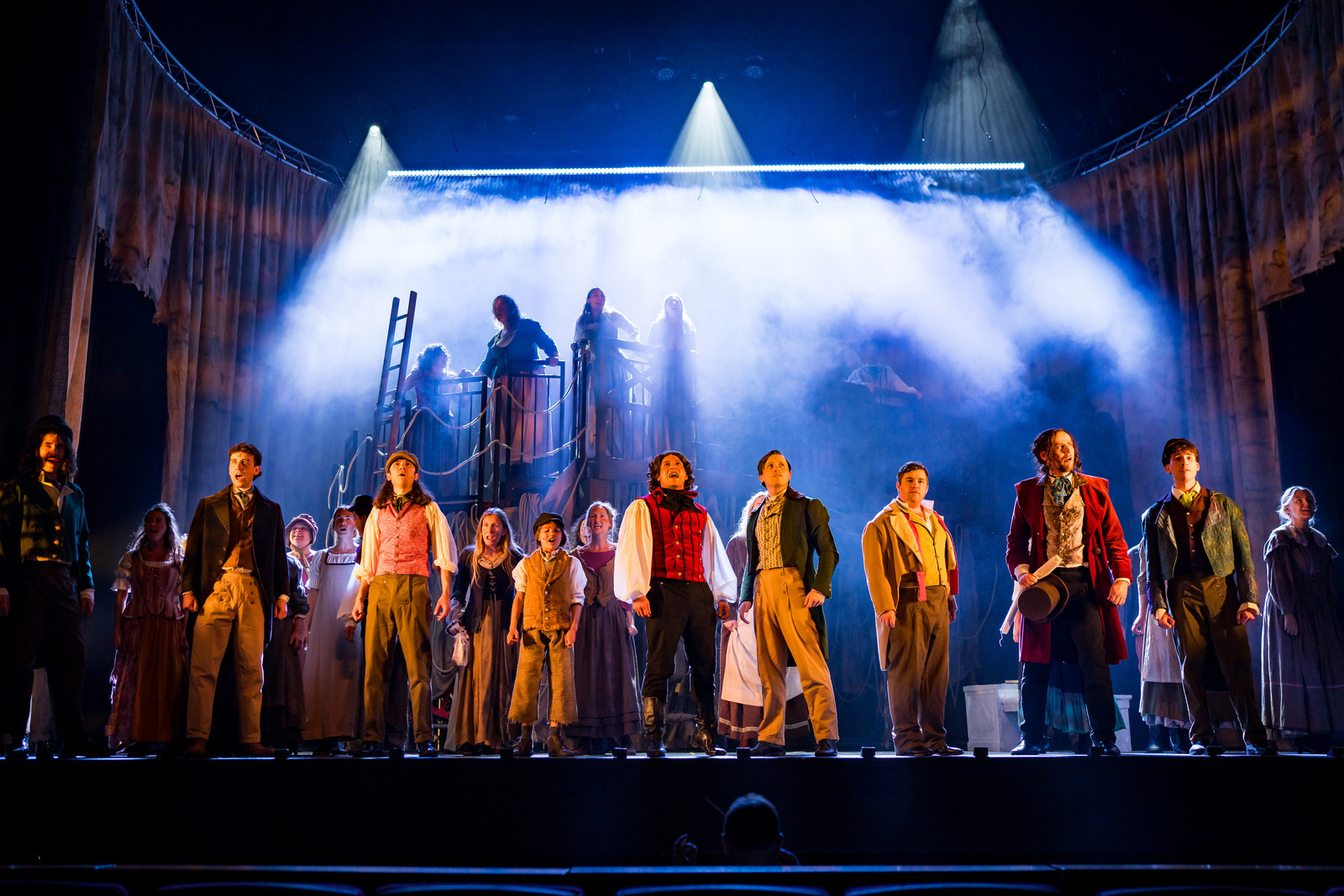
Les Misérables
Profound in its harrowing and bitter sweet ending, Les Miserables on stage at the Norwich Theatre Royal was a rebellion of outstanding performances.
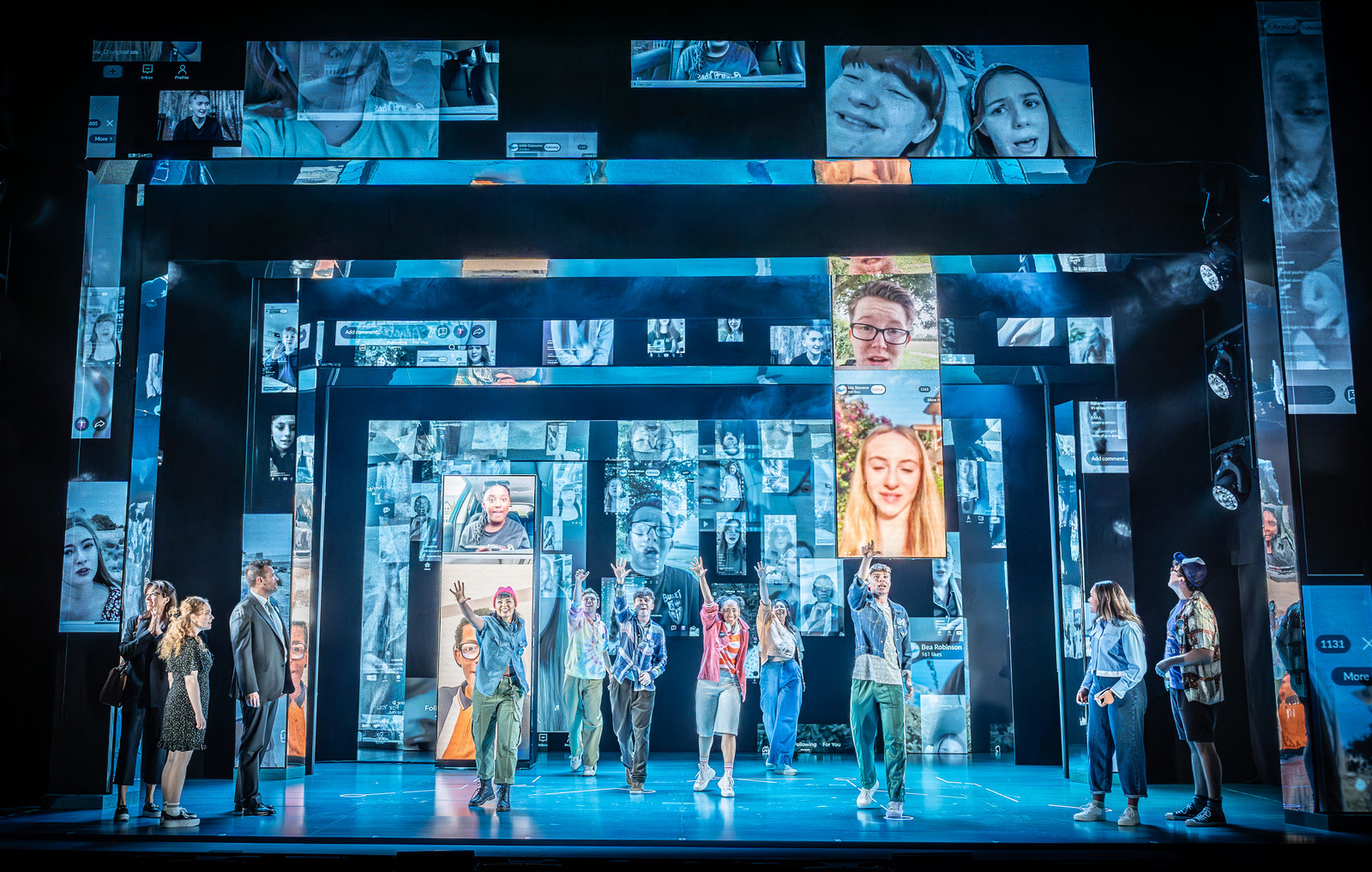
Dear Evan Hansen
Most certainly a musical of our time.
More by David Auckland

Dream Nails
Whilst Dream Nails may be self-proclaimed musical witches, their love for their audience is clear to see.
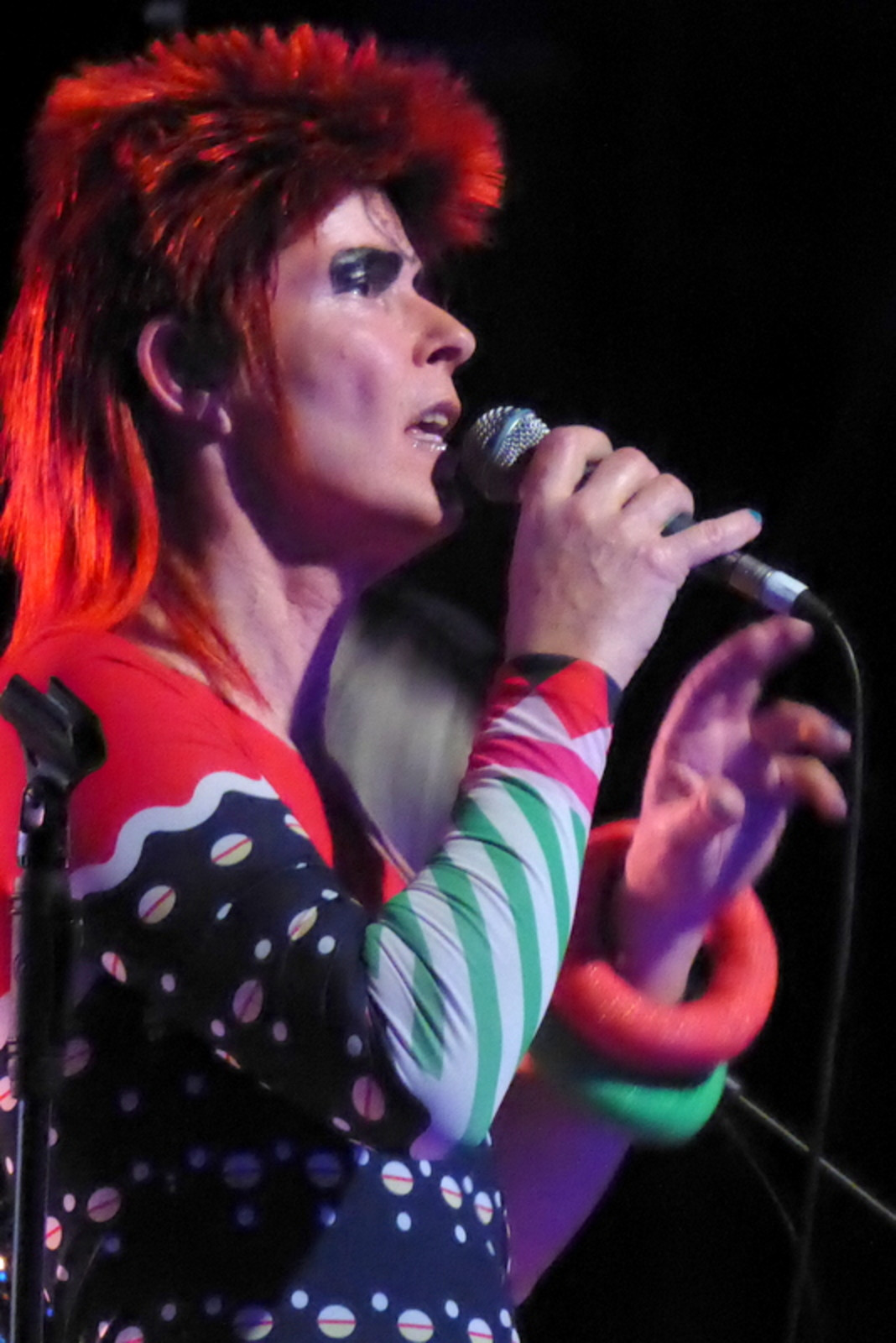
Absolute Bowie
My only disappointment – he didn't do The Laughing Gnome, or Little Fat Man.

Kezia Gill
From Las Vegas to Benidorm in just over 90 minutes – how many other gigs take you on a journey like that?
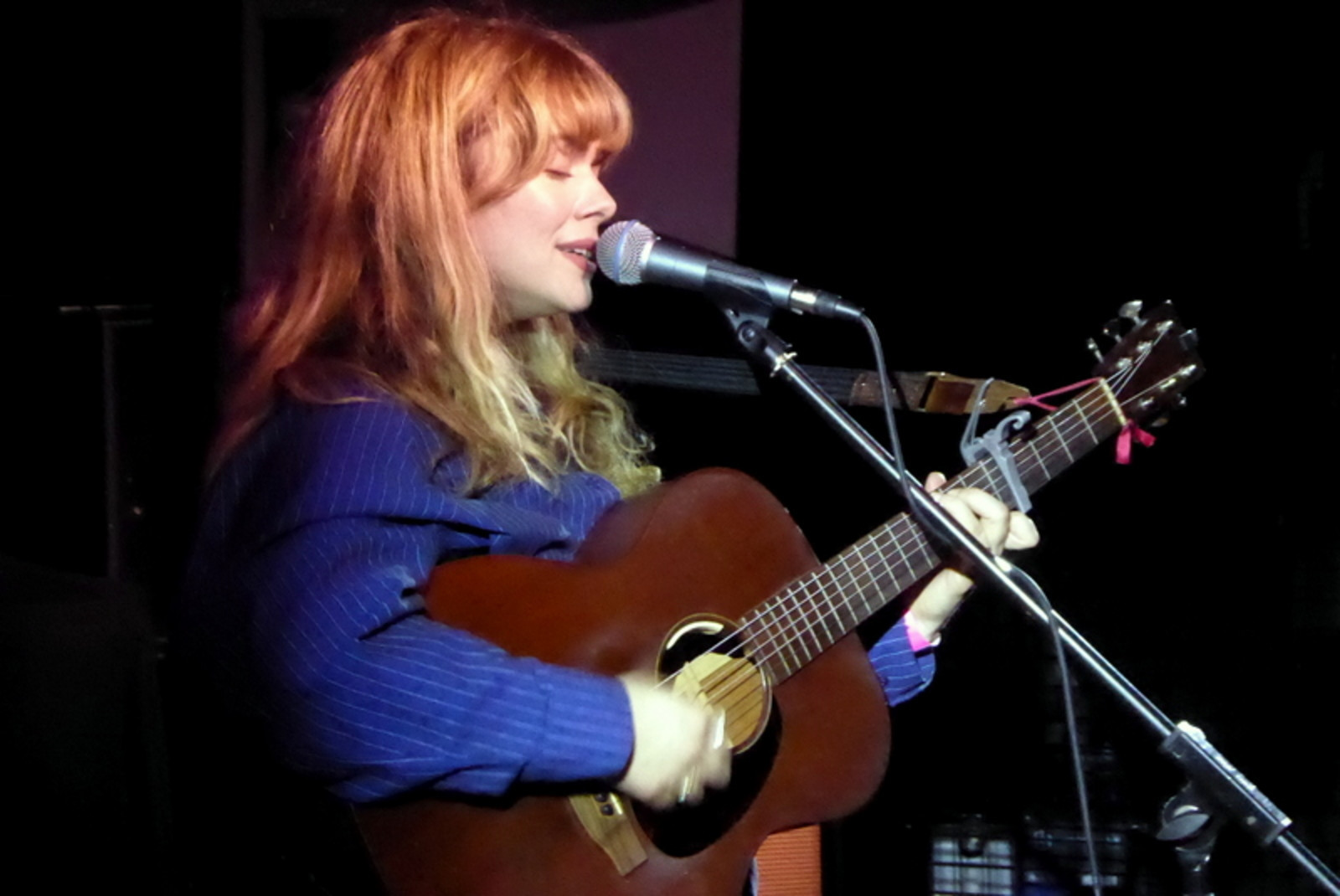
Chloe Foy
Her voice reminds me of Lucy Rose, and her honesty and bravery in delivering the new songs in particular was both endearing and moving.
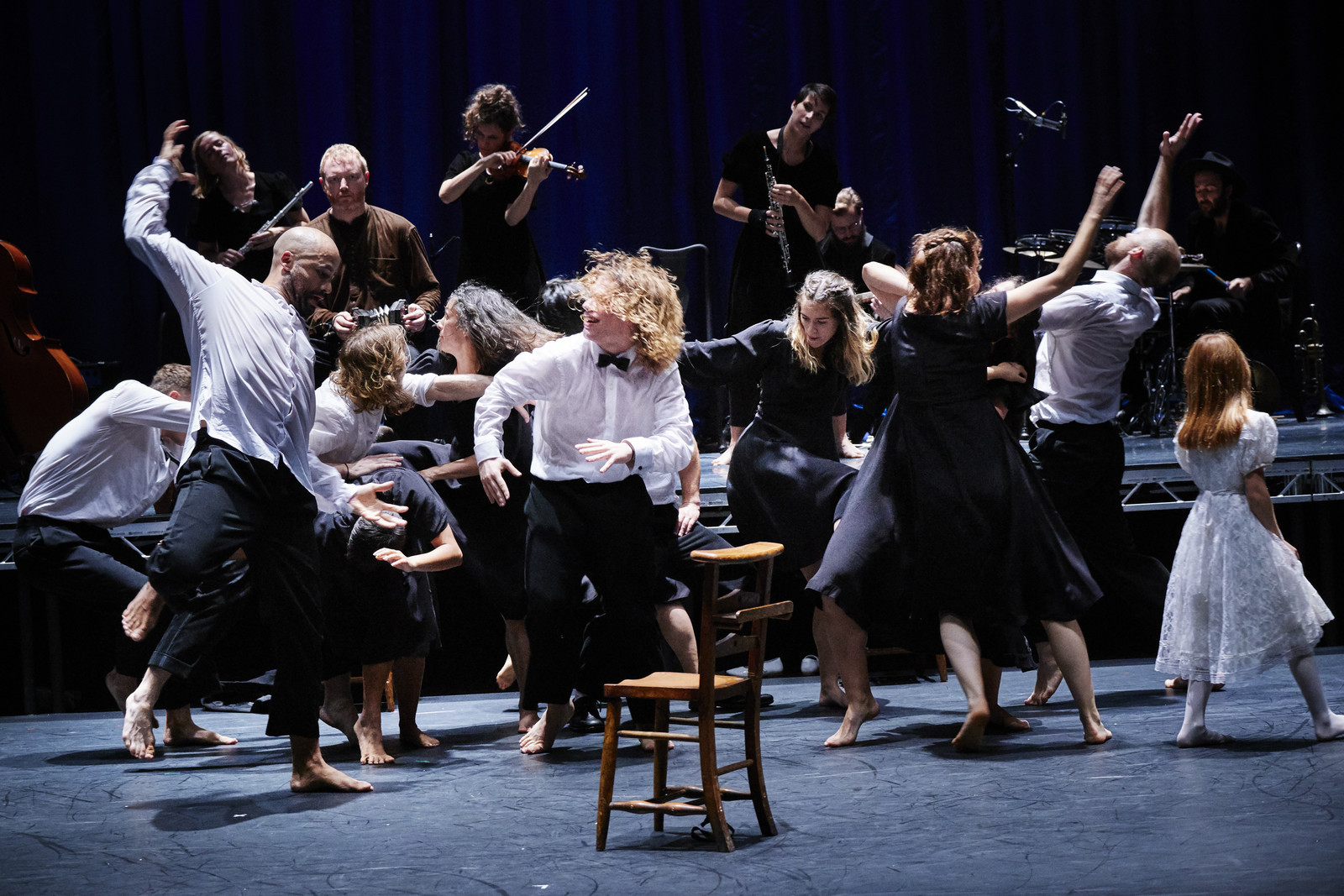
Teaċ Daṁsa / Michael Keegan-Dolan - MÁM
Those that see this show will leave with a renewed sense of warmth and hope in their souls. It is a visceral tribute and testament to the music, the traditions and the culture of the people of the Kerry coastline
Levitation Orchestra X NYJO
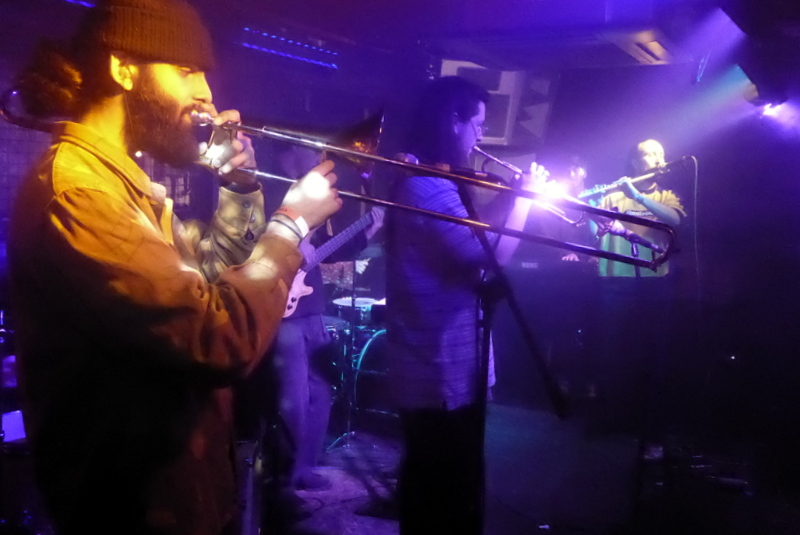
What a performance! Brimming with talent and combining experience with youthful innovation, the two drummers, keyboard player, bassist, flautist, trumpeter and trombonist deliver the most spine-tingling, foot-tapping, awe-inspiring hour of jazz that I have ever heard in Norwich.
Related Articles

Chris McCausland
The most I’ve laughed in “yonks”!

Ray O'Leary - Laughter? I Hardly Know Her
Ray O'Leary, is fair to say, has a distinctive way about him. Wild, curly hair. Beer belly out and proud. A face only a mother could love. And that suit. It's a look that says he knows exactly what he’s doing and that he does it very well.
Phil Porter’s Blink
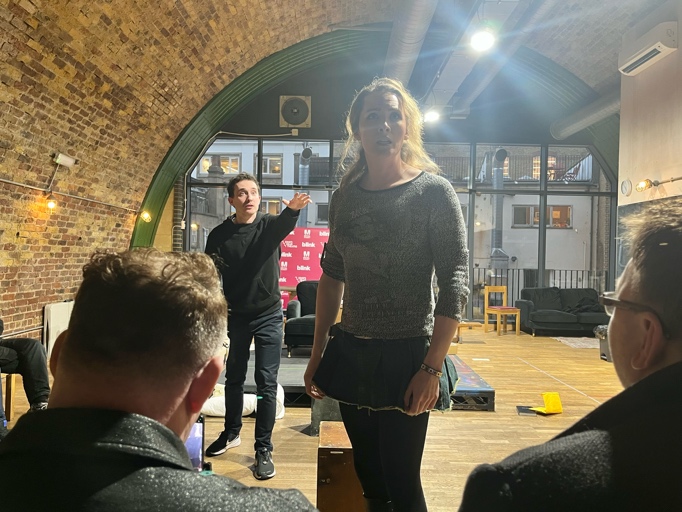
A Sneak Peak of the Play

Dear England
This play about football was not really about football at all. It was a play about male bonding, humanity, mutual respect, facing your demons, and about meeting with triumph and disaster, and treating those two impostors just the same.

The Anglia Comedy All Stars
On another night, any one of the line-up could have reasonably headlined a comedy night — Ed Gamble, Rachel Parris, and Paul Sinha on the same bill felt almost like overkill. All Stars indeed.
2:22 A Ghost Story
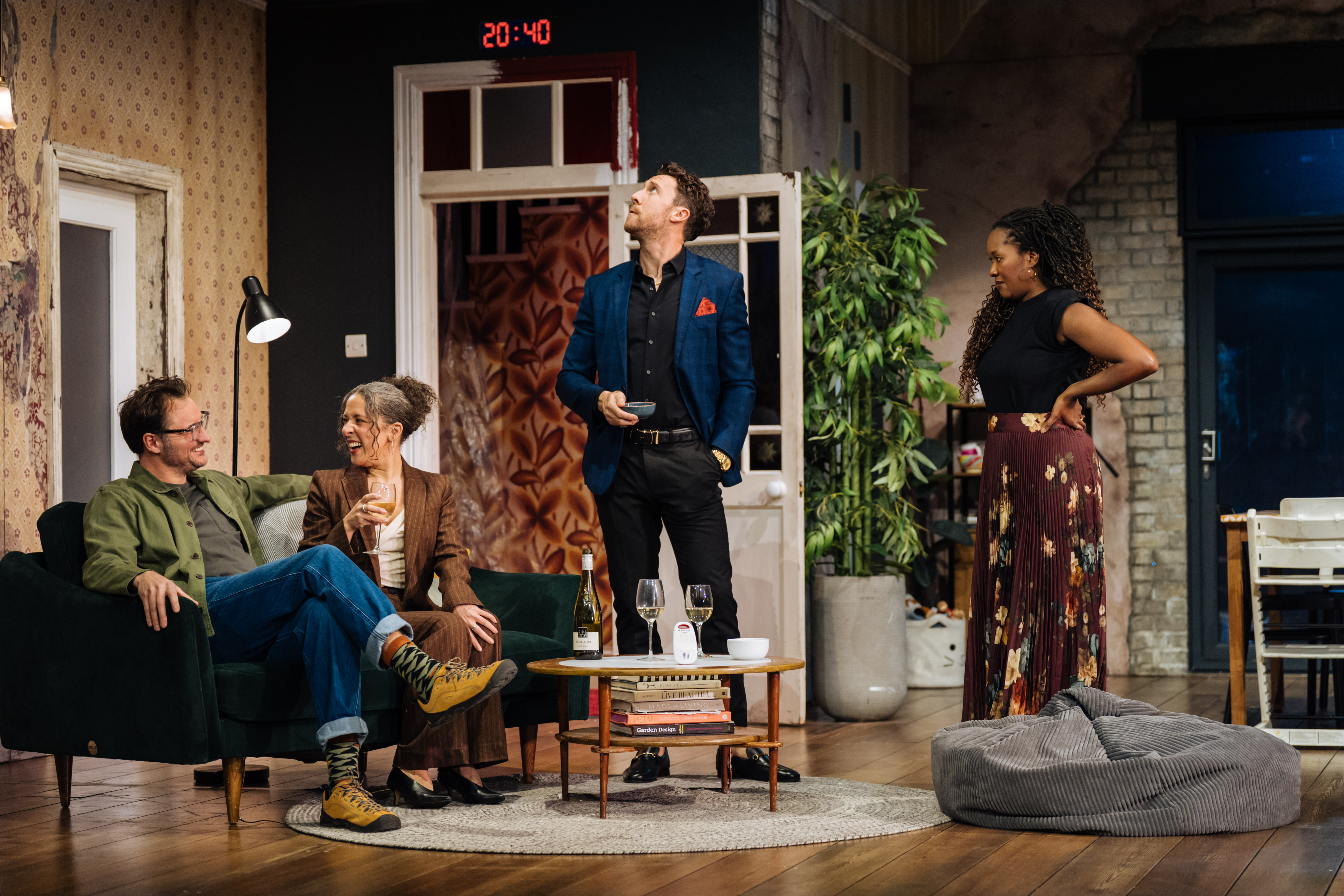
This is a ghost story, not a horror story, with an uneasy atmosphere of impending doom. The play is handsomely staged, with subtle but effective use of sound and lighting. Along the way we get red herrings, misdirection and tension-busting humour. Robins even lobs in class-conscious social commentary into the mix.