
John Robb
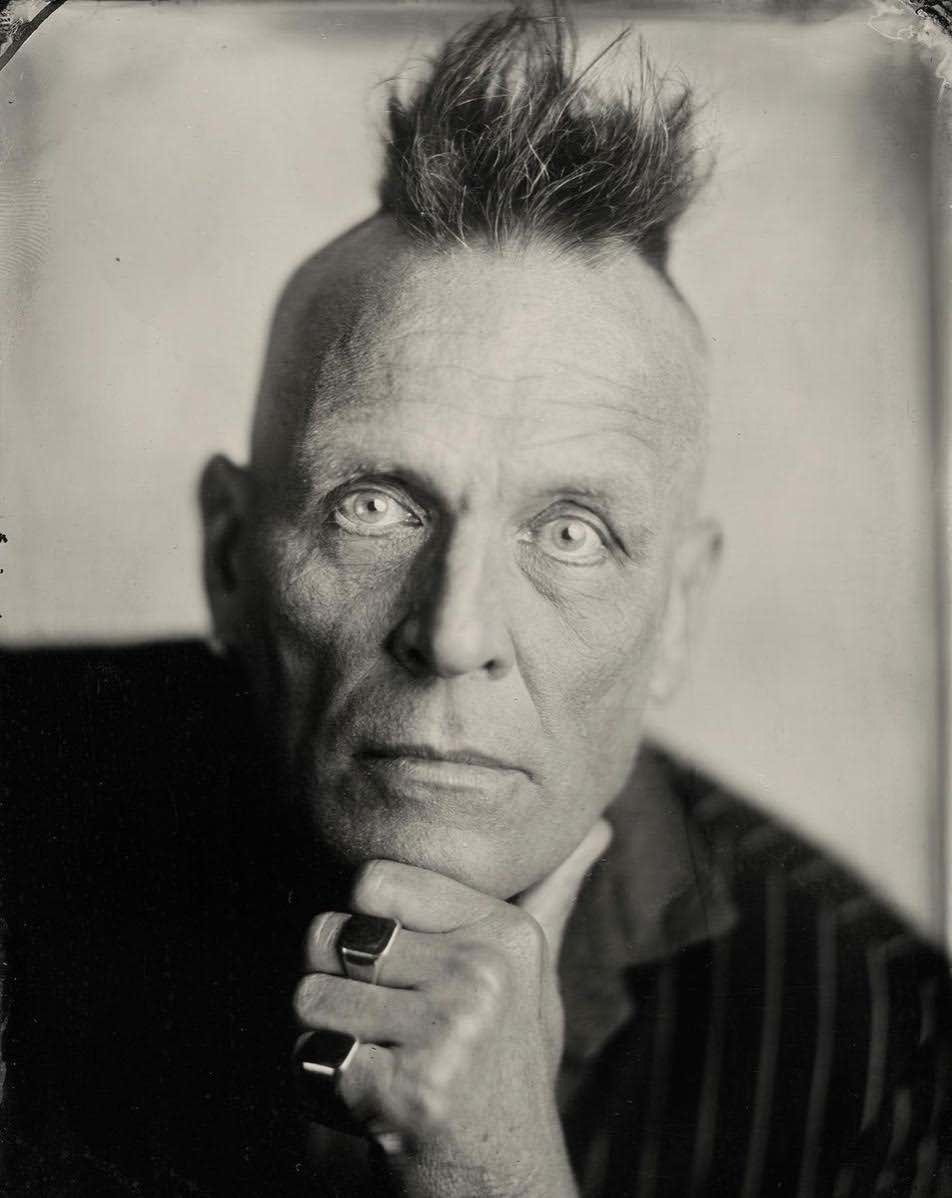
Photo: Coutesy of John Robb
On Wednesday, I got the chance to catch up with musician and music journalist John Robb ahead of his upcoming tour. Best known for his role as bassist and singer for the 1980s post-punk band, The Membranes, John’s incredible career has seen him play alongside, as well as interview some of the most iconic names in the industry and so to chat to him was an incredibly insightful experience.
So, the tour kicks off in March time doesn’t it John? This is very exciting
It runs all the way through Spring really, that’s always the best time to tour innit, because every day gets lighter this time of year- when you go on the road this time of year every day just feels slightly more optimistic. That run into summer is the perfect time of year I think to tour. I’ll be going to lots of places I've not been to before, you know which actually doesn’t include East Anglia, I know both venues really well, both Cambridge and Norwich- they're venues I’ve been to so many times- especially The Arts Centre, I remember playing there in about in the 80s
That’s exciting, are you kind of familiar with Norwich’s music scene- is it something you follow?
Oh yeah, because I do Louder Than War website so between me and all the writers- there's so many bands and so many scenes, you can’t be on top of everything but you’re aware of bits and bobs that appear- I'm not aware of every single band in Norwich at the moment I’m always aware of the bigger picture and one or two names. It's not like the post-punk period- this is one of the things I’ll be talking about in the tour- there was like 2 bands in every town and now there’s 200!
Absolutely, I think Norwich has got a really diverse music scene and I think it’s got some definite up and coming names which is really exciting.
If you could send me any stuff then I'm always up for it. I think the whole area where the Arts Centre is, is really good- for a small ish town Norwich does punch above its weight. In small towns there’s a venue and that’s it but Norwich has got that whole street- architecturally its nice with old buildings, new buildings, funky shops and it seems that the vibe of the Arts Centre has just spread down that street.
Yes it’s one of my favourite venues in the city actually, I think it has a very nice feel to it- even just the building itself is lovely. So the book looks absolutely amazing, “The Age of Darkness” and I know that in previous interviews you’ve mentioned that your goal was for it to appeal to those who weren't too familiar with goth culture, but what is the main message of the book?
I wanted to celebrate those bands because often in the popular media narrative they were always treated as a sideshow at best. A band like Bauhaus- an amazing band- one of the great art rock bands to come out of the UK, but people don’t really talk about them in the post-punk scene even though they’re really big and really influential and the music they made was really groundbreaking and original and i wanted to celebrate that. I was trying to re-state the case in defense of the goth culture in a sense and also point out some of the misconceptions because most of the bands that performed as goth bands were just all in the wake of punk—they are in the post-punk scene but what post-punk means now is very different from what it meant in the post-punk period. Now it’s a very linear type of music, but there was always other stories going on in that period too that would be ignored and treated as not as good as the “cool” bands- it was cool in its own world but I wanted to put it into more mainstream media terms.
(John went on to explain how the idea of being goth is often misunderstood and limited to just “people wearing black clothing”,and how this was something he wanted to unpack within his book- showing the plethora of other factors that made up the subculture.)
There's the historical context as well you know, all the way back to the fall of Rome, running through the Middle Ages, gothic architecture, poetry and art and I wanted to show how that all joins together to create an aesthetic that was embraced by those groups in late 70s, early 80s- which continues to this day.
(As he talked of the lasting effects of goth culture, John referenced how in today’s society, gothic culture has taken on a new element, with the growth of social media John suggests how “someone has an Instagram account that shares photos of themselves in woodland wearing freaky clothes- it's still within the mindset”. John told me about the extent of his research, suggesting that there was much more he wished he could have included withinThe Age of Darkness, showing how vast the subculture is when explored fully. )
Were you expecting your research to be so extensive?
I'm very much a rabbit hole kind of person. But there is talk with people in America about turning the book into a tv series or a film, so i may be able to include this other stuff again. It would be good to get people in the current scene to talk about the old stuff and this kind of fits into the narrative of a film version of it. I knew it was a big story but once you start unpacking it it’s like Pandora’s box- instead of 2 moths coming out it’s about a thousand.
**
Interesting that it may be developed into a film/ tv series. Is this something you’d anticipated for the project when you started writing it?
I like to write in a visual way- I'm not an academic really so i like to write things you can imagine- so the written word can make pictures in your head so it’s almost psychedelic. So when I write about goth in the book, I wanted people to feel like they were in a goth club in the 1980s, I wanted people to know what it felt like, smelt like, sounded like you know so- I like to take people back into a time and place a full 360 which I think works really well with goth culture because there’s a sensuality to goth that’s about the senses so it’s no surprise you can have gothic perfume, clothes, paintings, music- because it does work in every sense- not just music. As much as I love things that are just about music, I think especially in British youth culture, it was about the clothes, just as important as the music- what you dress like often matches what you listen to in a certain sense. It's what we do very well in this country- the tradition of all the best youth cultures in the UK are about dressing up not dressing down- even the people dressing down are really complex- they don’t just chuck a tracksuit on- they have to chuck the right tracksuit on!
Yes that’s so true to think about the origin of the word and everything that comes together to make the subculture.
Yes but it’s also important not to define it- you never have one person just saying what it is- you can sort of throw up all the ideas in the air of what it could be and people work their way through the wreckage to find from it what they want- the minute someone defines youth culture it just dries up our mouths- to say punk was this or goth was that- that's not how it actually is when you’re in that thing- every single person has their own version of it- there's a commonality but also differences and I like to celebrate those differences. There's 150 odd interviews in the book so somewhere in the middle of that you kind of suggest the aura that goes around it without ever defining it, because it’s a culture, it doesn’t get handed down- you don’t have to pass an exam in goth basically- some people dressed up, others didn’t dress up at all so there was always a mixture of people and ideas.
I think it's really interesting that it’s definitely not something that can just be put into a box, I know there was a lot of reluctancy from different bands to define themselves as ‘goth’, did this reluctancy mean that you struggled to chat to any of the band members when they knew you were writing a book about goth culture?
I didn’t even try to get an interview with Siouxsie because I knew there was no point- she hates the term goth, and she hasn’tdone an interview for about 10 years. That's the thing about the film in America because they want me to do an interview with Siouxsie- but she’s not going to suddenly really want to talk about goth, it’s just not going to happen and I respect that, she doesn’t have to talk about anything- her contribution to popular culture has been immense, no artist has to explain what they do. It's up to us as people who write about it to try and persuade people but sometimes there’s no point. Some of the interviews I already had from years ago and some people like Steven Severin- he did an interview which I was really surprised about. He said he hated the term “goth” but likes the term “gothic” because he likes the idea that his music was related to architecture. The Banshee’s first gig was 1976 and “goth” wasn’t even a term until 1983 so they spent 6 years doing their thing and then suddenly they were told they were in a different scene. What's complicated about that is that their influence on that scene without ever any day in her life her thinking “I am a goth icon”, so she became one by default. I like the way there’s a discrepancy between the most iconic bands in it and then the actual thing itself. I think most people are big enough thinkers to know that not all the bands have to be on topic.
Yeah, that’s interesting- the reluctancy to fit into a box is essentially what the subculture is all about really isn’t it, which would make sense. So of course, you’ve had an incredible career not just as a music journalist, but also in your band The Membranes and itsseen you play alongside some iconic names like Sonic Youth and The Undertones, those must have been incredible experiences.
Yeah, the thing about being in a band is that you don’t really think of these bands like that- I remember Sonic Youth when they were smaller than us and the time we played with them we had to play with them to sell the tickets for the gig because nobody knew who they were, so it’s a bit other way around for me. The Undertones made it before we made it, but they were just people we knew- what you find is that we all kind of know each other and the bands that are proper about it find that there’s no league table. The idea of hierarchy isn’t a creative space.
As a huge fan, I must ask about the famous Nirvana interview. Can you tell me a bit about that?
Yeah so when their first single Love Buzz was about to come out there was a promo that I got way before it came out andeveryone’s saying Sub Pop really fucked up signing this band, they’re not that great and then I listened and thought his voice was amazing. He sounded like an old man in a young man’s body- world- weary but with the energy of a young person. So I phoned up his mum’s house and I still remember his mum calling him downstairs “Kurt there’s somebody on the phone”- I still have the phone number! I didn’t think they were going to be massive, I just really liked the two tracks on the single. Some stuff in context later on makes sense- he lived in a small town. 8 months later I went out to New York City to interview them and they were doing a support tour with a band called Tad- they were staying in a flat in NYC, a tired old flat. We went to say hello to them when we arrived and asked the press agent where’s our hotel and he goes, “it’s here”! So I spent 5 days sleeping on the floor with Nirvana and Tad, with no bed, just a jacket as a cover and my backpack as a pillow. At the time I remember thinking what a pain this is, they all snored like big guys, it was really hot- middle of summer in NYC. But of course I got to know them really well- at the time just like getting to know a really little band. We saw them live but there was only about 30 people there. It was an amazing gig- they were a 4 piece then, Chad Channing on drums, Jason Everman on guitar and they trashed all the gear- it was super exciting- I'll talk about this in more detail on the tour. I interviewed them for about half an hour. It's weird listening to an old interview because you go straight back into that moment, you can remember everything somebody’s about to say- it's quite haunting listening to it now.
If you had to choose 3 albums to influence a young person’s musical education, what would they be?
Well, I wouldn’t want to influence a young person- it's a two-way thing- I'd want to know what they’re listening to. But, if they’dnever heard any music at all, I guess you’d have to get them a Beatles record because they could do so many styles so well, they go through the generations. I’d probably give them a punk record because if you’re telling someone what to like, it must be based on what you like. A game changing record in that generation was Never mind the Bollocks, Sex Pistols- to show how intense music can be and to explain how a band can change culture so massively, without ever being a stadium band. A third record to show people there’s other styles in music- not just guitars- would be Massive Attack’s Mezzanine, or great post-punk record, Joy Division or would it be something completely out there like an Aphex Twin record to say that electronic music is as creative as guitar music. It is an impossible question. But then this is only white music, so of course you’d have to mention Hendrix and then especially now women are actually driving the music scene so of course a St Vincent record because she probably is currently the best guitar player in the world so lets celebrate that! Music can and should be made by anybody from anywhere and we should have an infrastructure that embraces this idea.
**
What a great experience it was to catch up with John, throughout the interview he hinted at a multitude of other fascinating stories which he will discuss in his upcoming tour ‘Do you believe in the power of rock and roll’. You can catch him at Norwich Arts Centre on the 24th of April for an evening of unmissable anecdotes from a legendary career.
More Interviews
Sinkhole
Sinkhole
“People are looking for a change…”
Reuben's 24 Hour Challenge
Reuben's 24 Hour Challenge
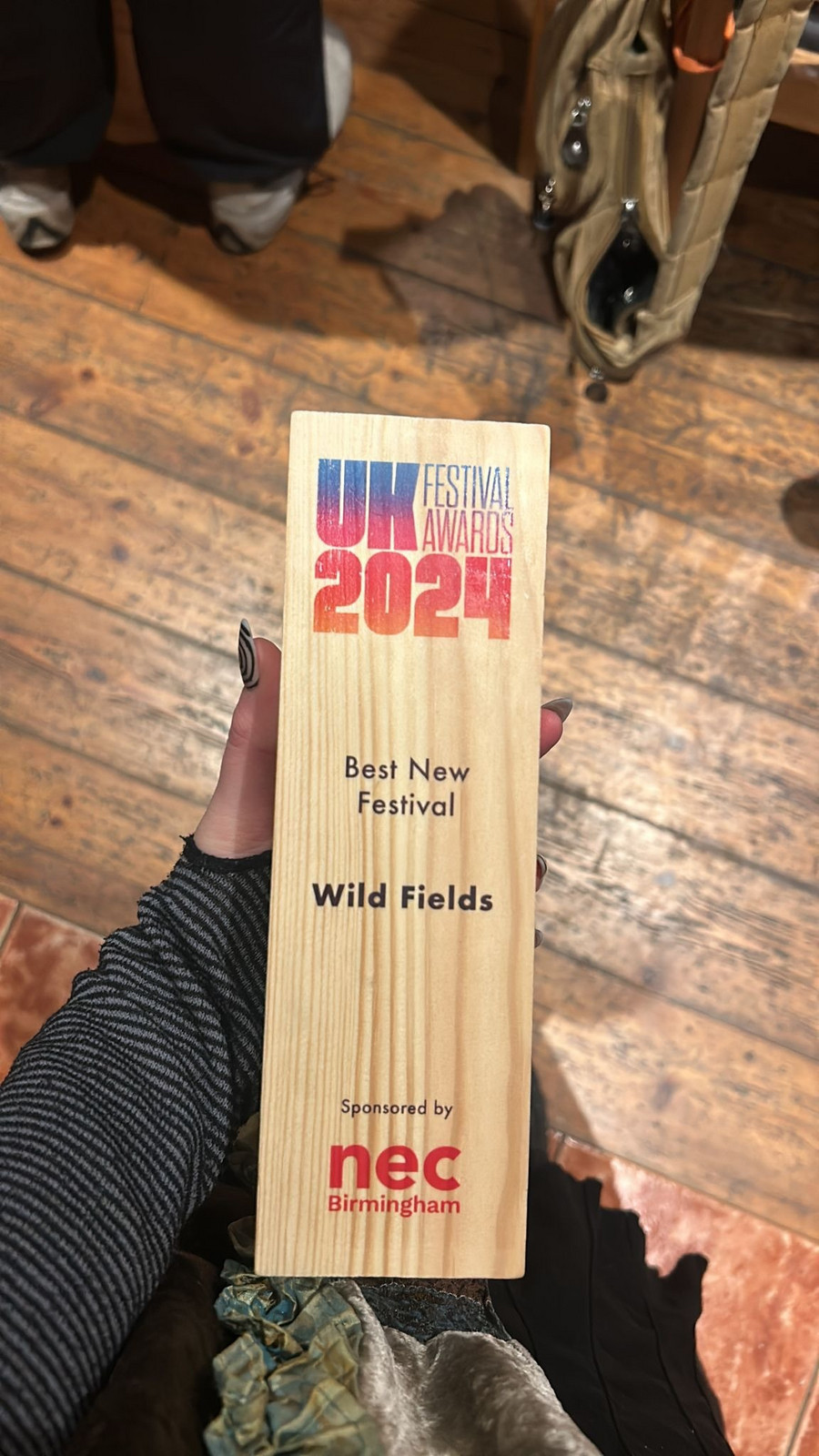
Award Winning Wild Fields Festival
Award Winning Wild Fields Festival
Our Tabitha caught up with Ben of Wild Fields ...
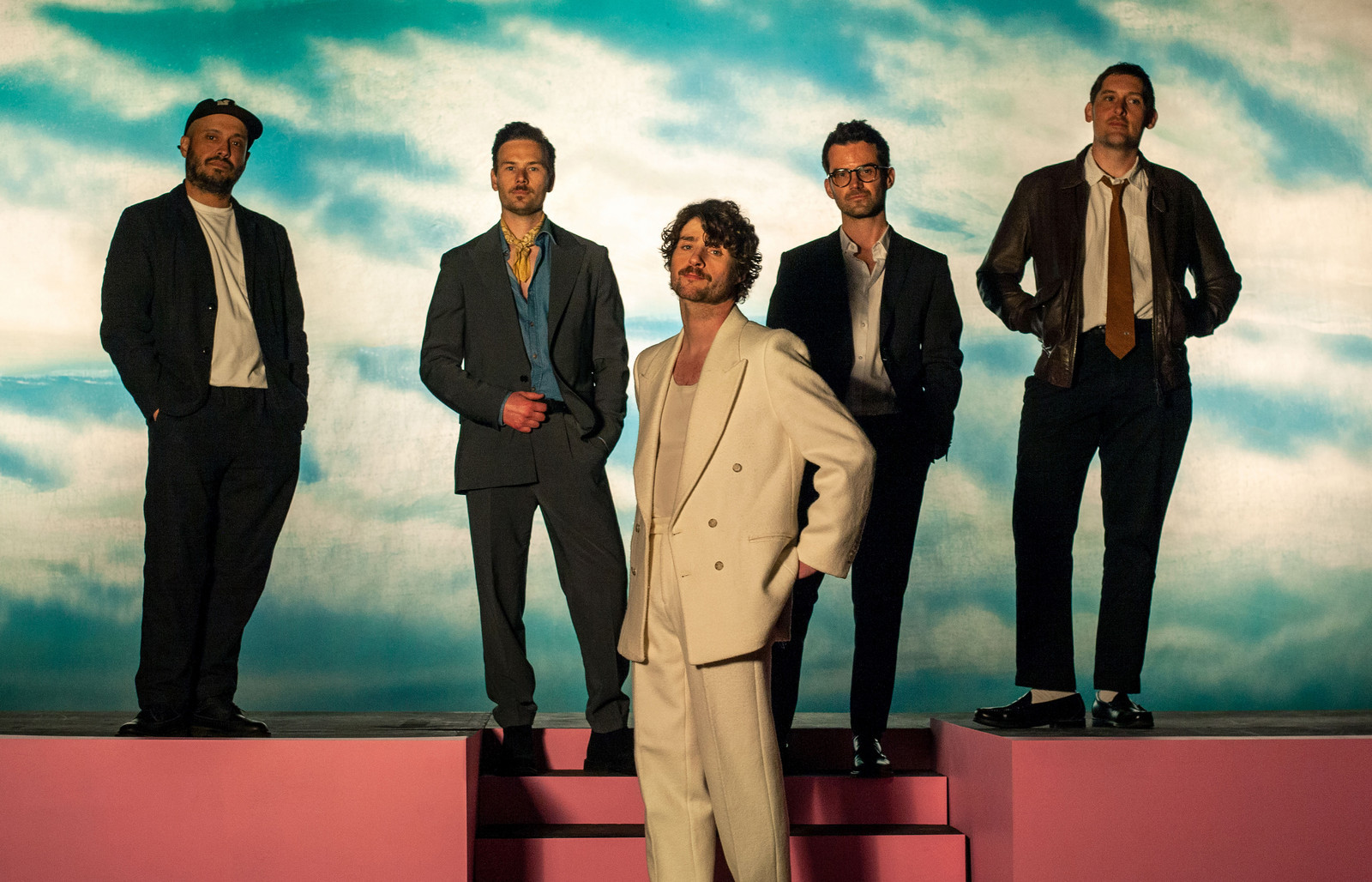
Kids in Glass Houses discuss their new album
Kids in Glass Houses discuss their new album
Kids in Glass Houses guitarist Iain Mahanty joined me for a quick call just days before the release of the group’s comeback album Pink Flamingo.
The Howlers
The Howlers
Barish - Rework Taylor Swift 8th June
Barish - Rework Taylor Swift 8th June
More by Natalie O'Dell

Suede
Suede
Suede erupted onto the stage with a vitality that belied the tour’s halfway mark. At Norwich’s LCR, nostalgia and goth-tinged reinvention collided in a set that proved they’re still gloriously unpredictable.

The Vaccines
The Vaccines
DMA's
DMA's

Sundara Karma, Ten Tonnes, Pleasure Inc.
Sundara Karma, Ten Tonnes, Pleasure Inc.
Sundara Karma are truly one of those must-see bands who simply will not fail to set alight everyone’s indie rock flames.
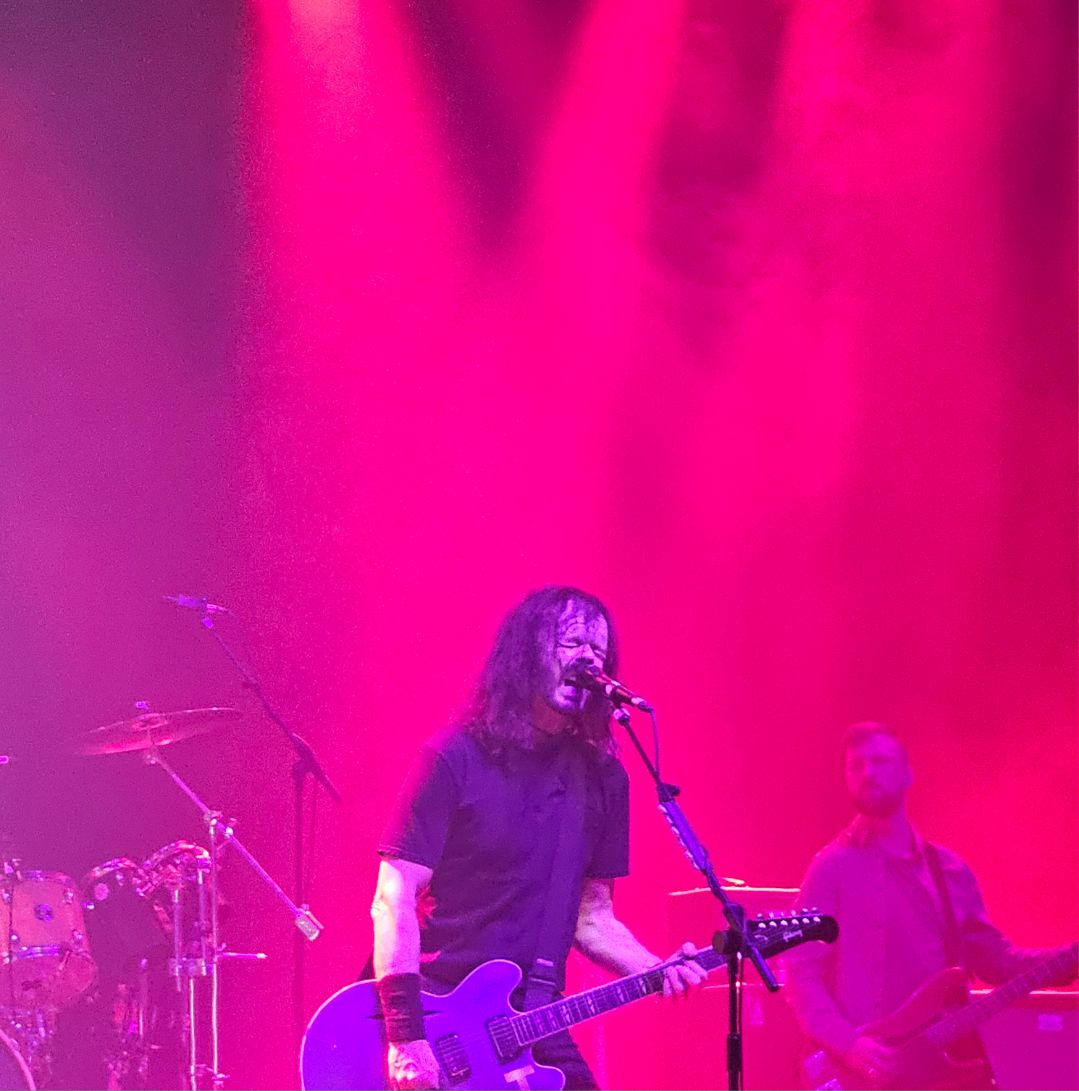
UK Foo Fighters
UK Foo Fighters
Tribute bands are often hit or miss but it’s safe to say that when the UK Foo Fighters played Norwich’s LCR on Saturday night, it really did feel as though Dave Grohl himself and the Foos were right before our eyes.
Hockey Dad – Dust
Hockey Dad – Dust
If the Aussies ( Hockey Dad) do decide to return to Norwich in the future, I couldn’t recommend them highly enough for a hugely enjoyable night.
Related Articles

Gabby Rivers - Rework Taylor Swift 8th June
Gabby Rivers - Rework Taylor Swift 8th June
Dominyka - Rework Taylor Swift 8th June
Dominyka - Rework Taylor Swift 8th June

Drongo Records
Drongo Records
2024 is shaping up to be a busy one. We have new releases from Eat Your Own Head, Takeda and Rad Pitt. We’ve got some events in the pipeline this year and looking ahead to Norwich Rock Fest 2025.
Ben Taylor promoter "This is Music"
Ben Taylor promoter "This is Music"
Brown Horse
Brown Horse

Althea Rose
Althea Rose
Not long ago, I caught up with Althea to discover how she was feeling ahead of the gig this Friday, the power live music holds to her, as well as her plans for the rest of the year.