
Poor Things:
An Intoxicating Insight into Male Desire and Female Independence
An Intoxicating Insight into Male Desire and Female Independence
“We’re all cruel beasts. Born that way, die that way.”
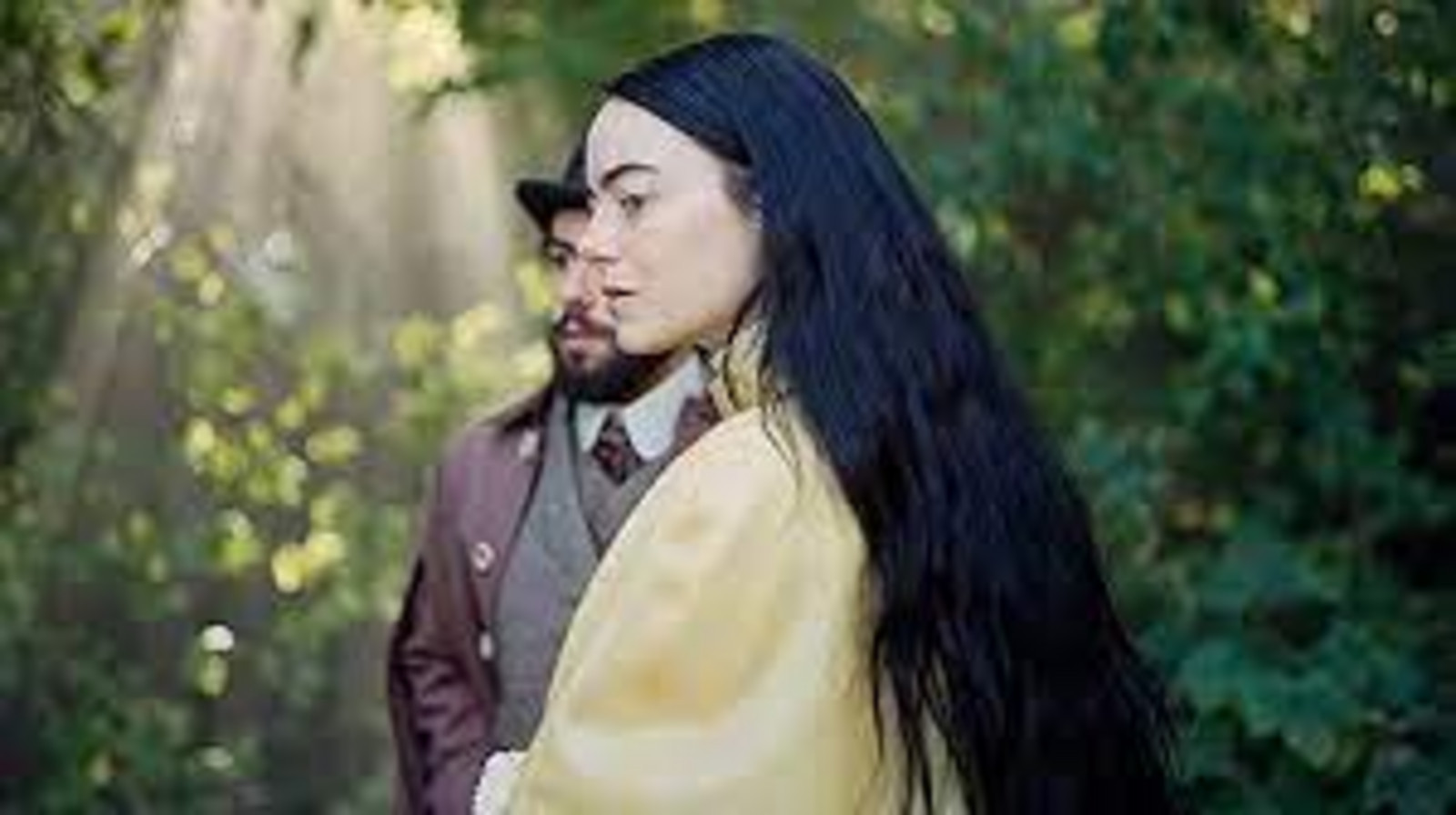
Yorgos Lanthimos yet again stuns with another magnificently horrific cinematic feast Poor Things, a tale of beautiful discovery which blossoms from a rather disturbing Frankenstein-like creation. The moral of Mary Shelley’s classic novel is, of course, to not play God over others’ lives, a clear inspiration behind this film through the eyes of Emma Stone’s fascinating Bella Baxter. Bella is, first and foremost, said “creation”, a woman reanimated by Willem Dafoe’s eerie Godwin Baxter, whom Bella conveniently refers to as “God”. Bella is essentially an infant trapped inside the body of her mother, Victoria, therefore, Bella is created, neither her mother nor her daughter, but a promise of someone else entirely.
Bella carries every burden of being a woman in polite society whilst simultaneously possessing the naivety to not understand what that entails. Her new life begins in black and white (literally) as she relearns how to speak and walk and those around her attempt to refine her into what is considered “appropriate” behaviour. However, Bella never really listens, due to the simple fact that she doesn’t want to. She resents being told what to do, especially by men, she simply acts on instinct, uncaring as to what others think or how she is perceived. To an extent, we can understand her thinking - if food tastes bad, why swallow it? If something feels good, why not do it? Bella’s developed female body indeed causes her to grow up rather quickly, yet her mind maintains the wonderous fascination of a child, oblivious to what is correct and what is not. And it is her child-like behaviour that makes her relationships with other characters so thought provoking and disturbing in this film, mainly with men.
Her relationship with “God” certainly begins as scientist and experiment but transforms into something more like father and daughter. Godwin, like all the other men, develops feelings for Bella, all be it paternal, but Bella is also the object of men’s sexual desires; her infantile mindset means she doesn’t understand the depth of her sexualisation, yet it is not something she views negatively. Bella loves and takes pride in her sexual exploration and freedom, sleeping with men because she wants to, and seeing no shame in the act.
Mark Ruffalo’s comedic ball of crumbling masculinity, Duncan Wedderburn, cannot stand the thought of Bella being with other men, yet cannot seem to stay away from her. Duncan adores Bella’s ambition, enthusiasm, and excitement, yet takes most enjoyment at being the one to introduce her to adventure and her sexuality. In this way, Duncan becomes the person responsible for Bella’s enlightenment of her body and sexual appetite: she is led to believe that he is the only one good enough for her satisfaction. However, when Bella takes her sexuality back into her own hands, she discovers that she can control her pleasure on her own terms regardless of male control. When men shame her the most, Bella feels the freest, as she is living of her own choice.
Bella’s wonderful world of technicolour soon comes crashing down when she discovers the true cruelty of the human race: rape, murder, poverty, starvation. Like all infants, Bella is “born” unconditioned to the pressures and expectations of society, simply viewing the world as her own to discover and explore. Through Bella’s perspective, we too find ourselves, as the audience, unlearning societal norms, especially what is seen as conventional behaviour for a woman: how to speak, how to dress, how to interact with others, how to express or repress emotion, even how to have sex. This allows us to feel shocked alongside Bella as she discovers the confines of her life simply due to her gender, even though we already knew these conditions existed, and to an extent, still exist.
Poor Things invites us into a world so fascinatingly unnatural and intoxicating it feels kin to a bizarre dream full of endless possibility, accompanied by a haunting score that will make you feel marvellously uncomfortable. Bella is a character entirely her own, true to her feelings and emotions even when discovering how horrific reality can be. A line of dialogue resonated in the film that “we’re all cruel beasts”, yet Bella declares she does not want to be cruel, she does not want to “fit in” simply because this is what is expected of her. Bella acts as an example of who a woman can become when she chases her own desires, acts on her own thoughts, and escapes the suffocating influence of a patriarchal society that will only ever trap her in their cruel world, a world much too boring for Bella Baxter.
Presently showing at Cinema City
More Film Reviews
NORWICH FILM FESTIVAL - INTERNATIONAL MIX
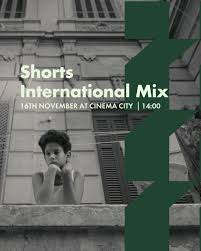
NORWICH FILM FESTIVAL - INTERNATIONAL MIX
Five short films dealing - in wildly different contexts - with the tensions between autonomy and connection.
NORWICH FILM FESTIVAL - DJ AHMET
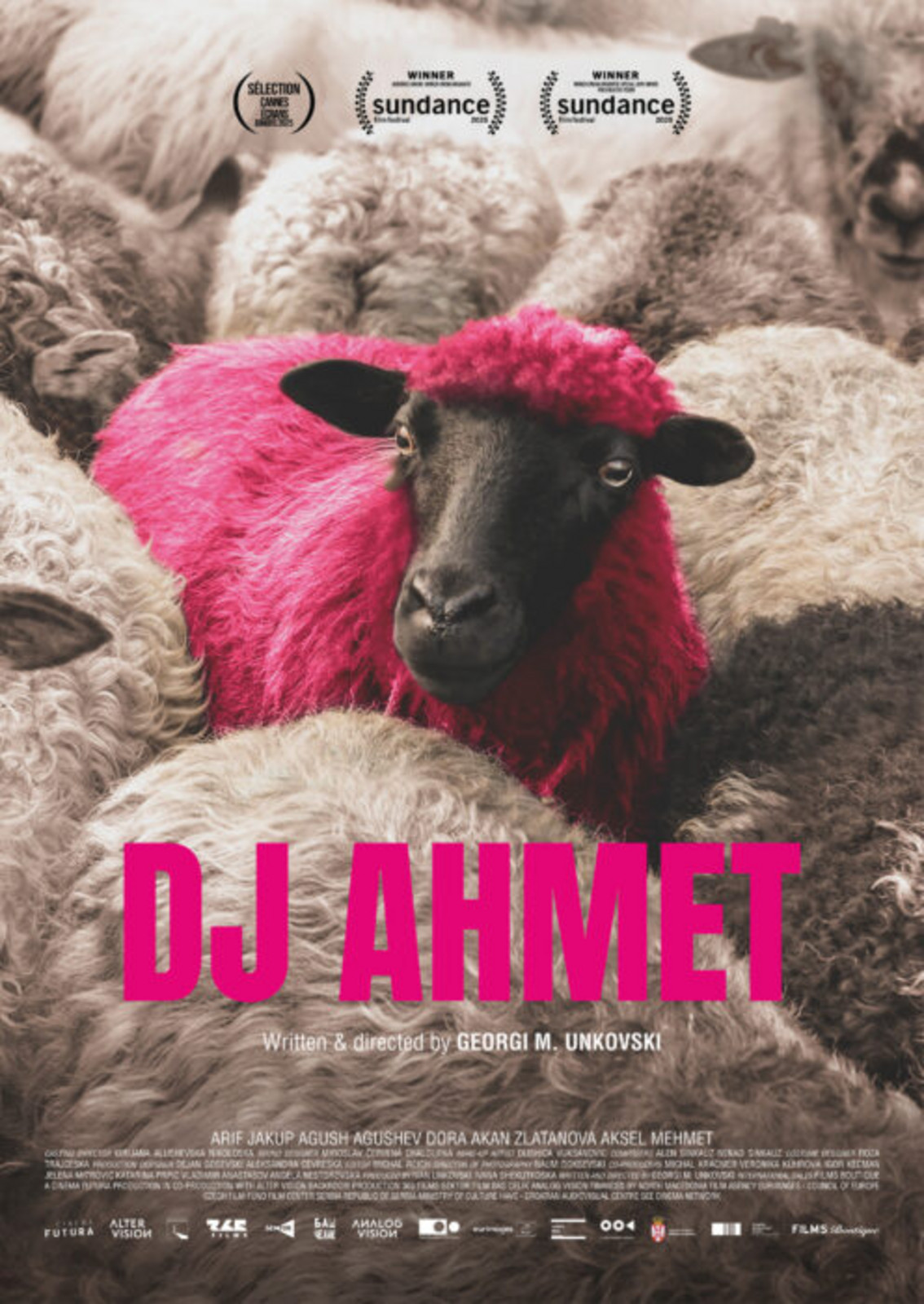
NORWICH FILM FESTIVAL - DJ AHMET
North Macedonian director Georgi M. Unkovski’s debut feature.
Norwich Film Festival - Late Night Shorts
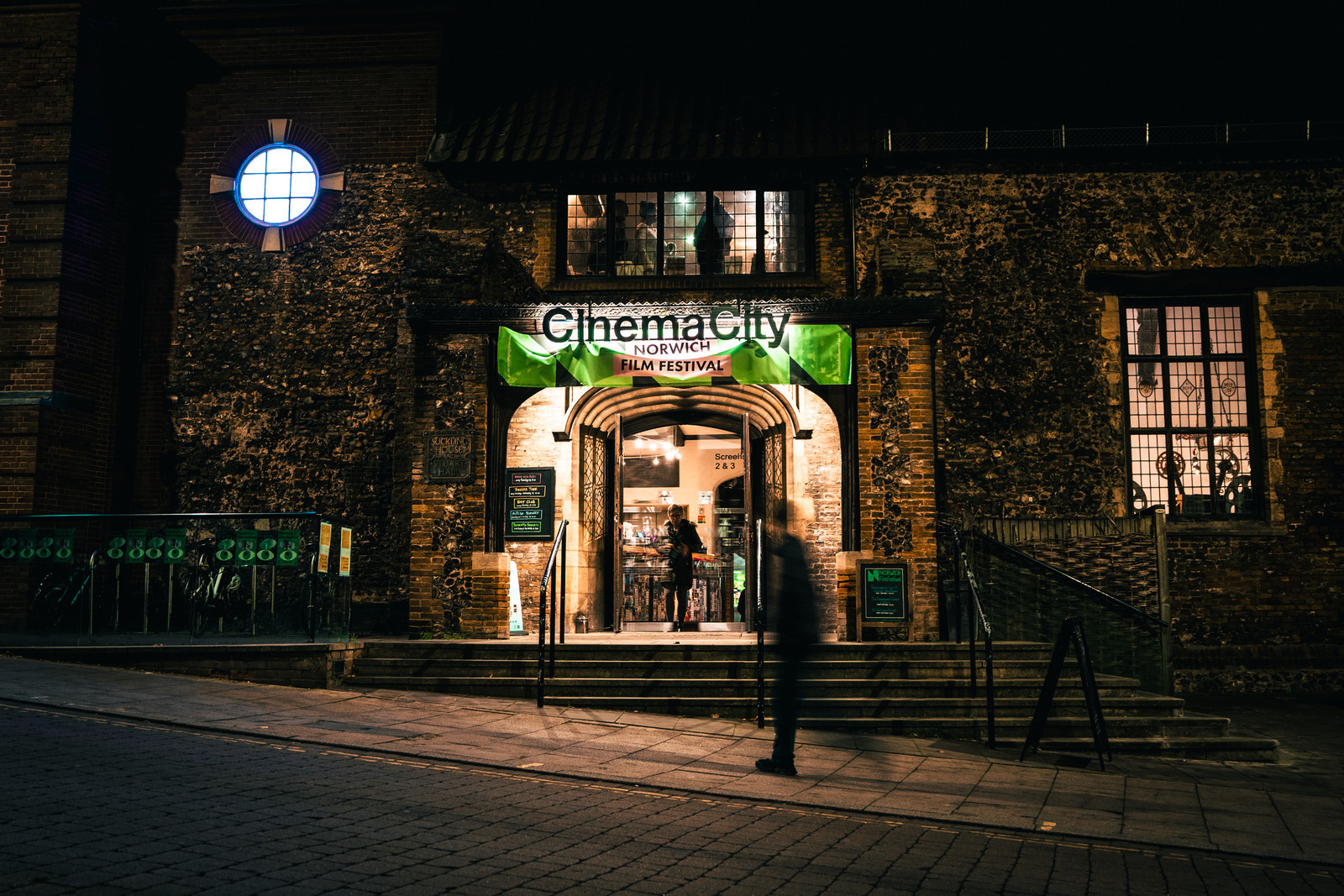
Norwich Film Festival - Late Night Shorts
A selection of eight distinct dark comedy and horror shorts from local and independent film creators.
Norwich Film Festival - East Anglian Shorts
Norwich Film Festival - East Anglian Shorts
East Anglian Shorts showcased a wondrous range of cinematic talent from the region.
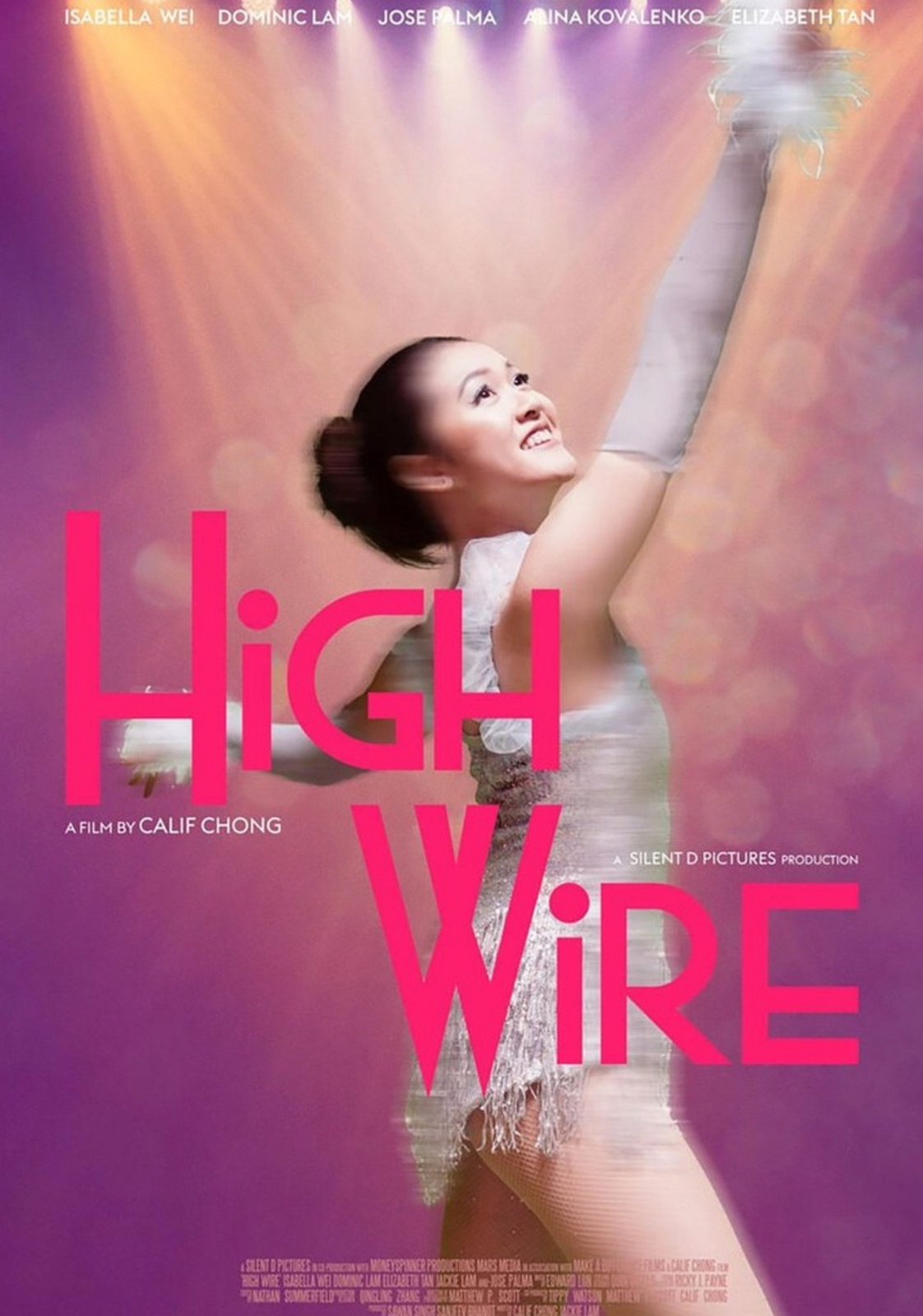
Norwich Film Festival - High Wire
Norwich Film Festival - High Wire
The directorial debut from buzzing talent Calif Chong
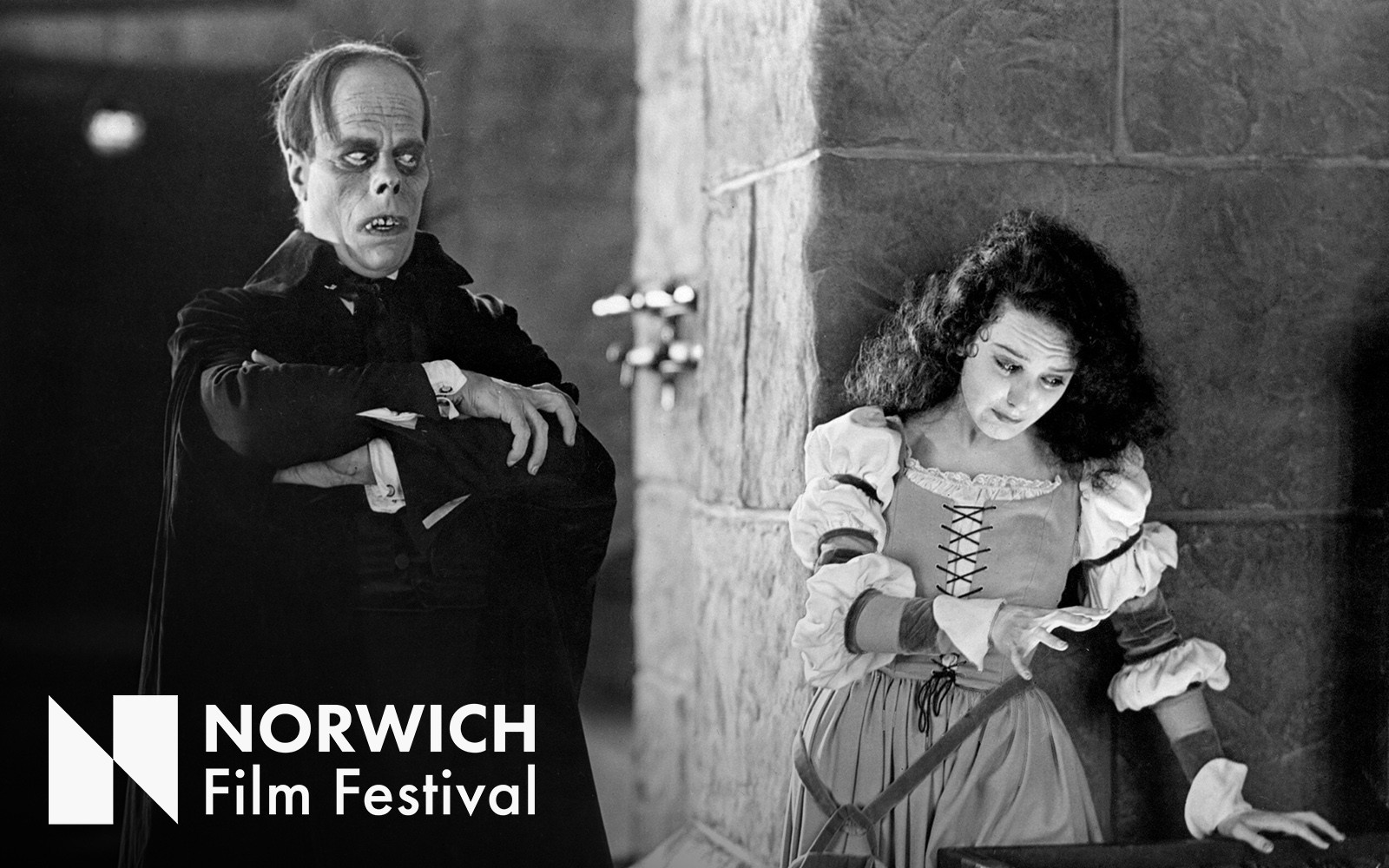
Minima + Phantom of the Opera
Minima + Phantom of the Opera
The experience proved greatly enhanced by Minima's musical interpretation of the action on screen, coaxing out the emotional core of the film with guitar, cello, percussion and synthesiser.
More by Lamorna Peake
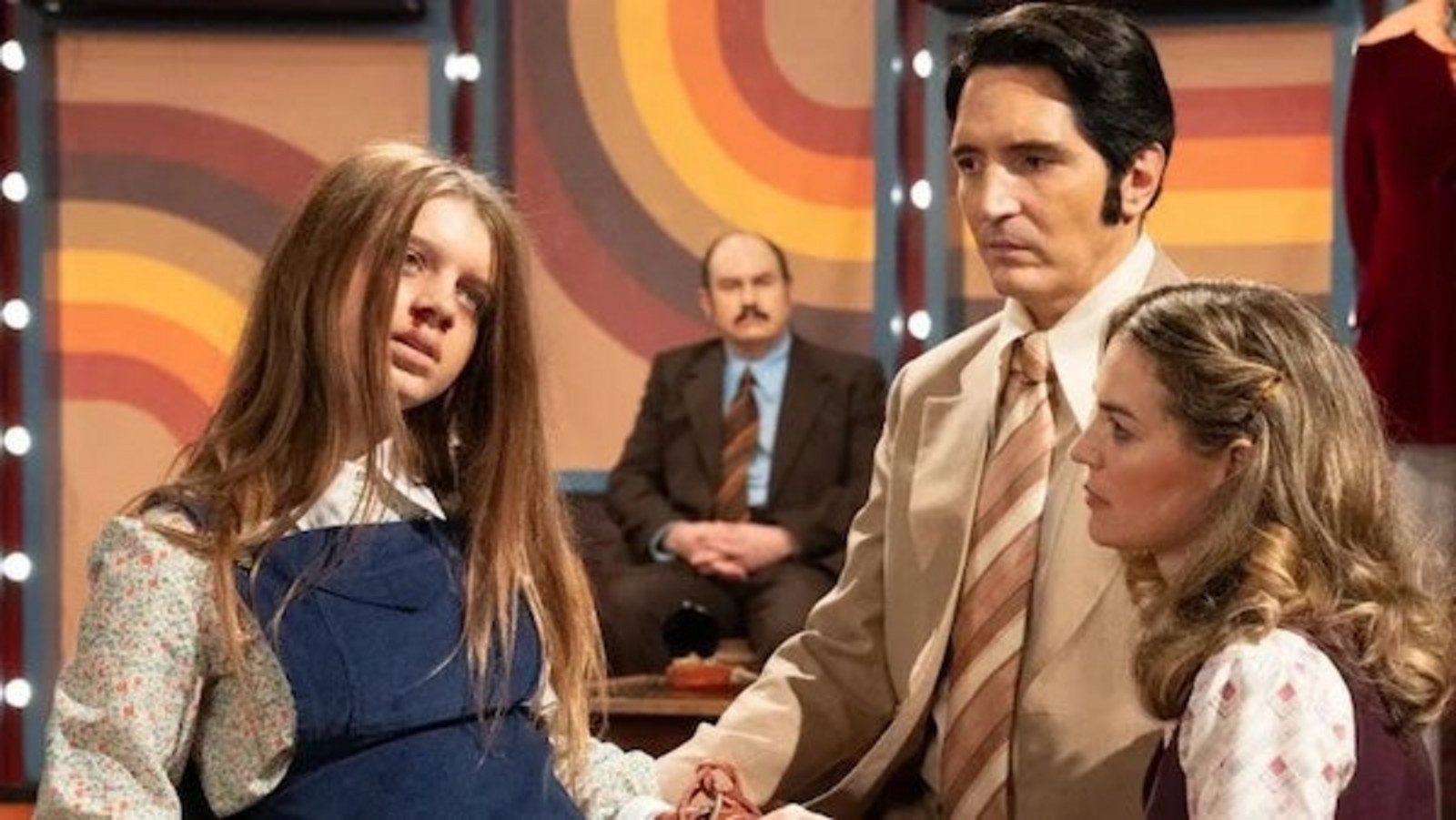
Late Night with the Devil
Late Night with the Devil
Late Night with the Devil proves we secretly love when live TV goes wrong, watching the truth unfold and people squirm under pressure. Except this time, you’ll probably be the ones squirming. Enjoy the show.
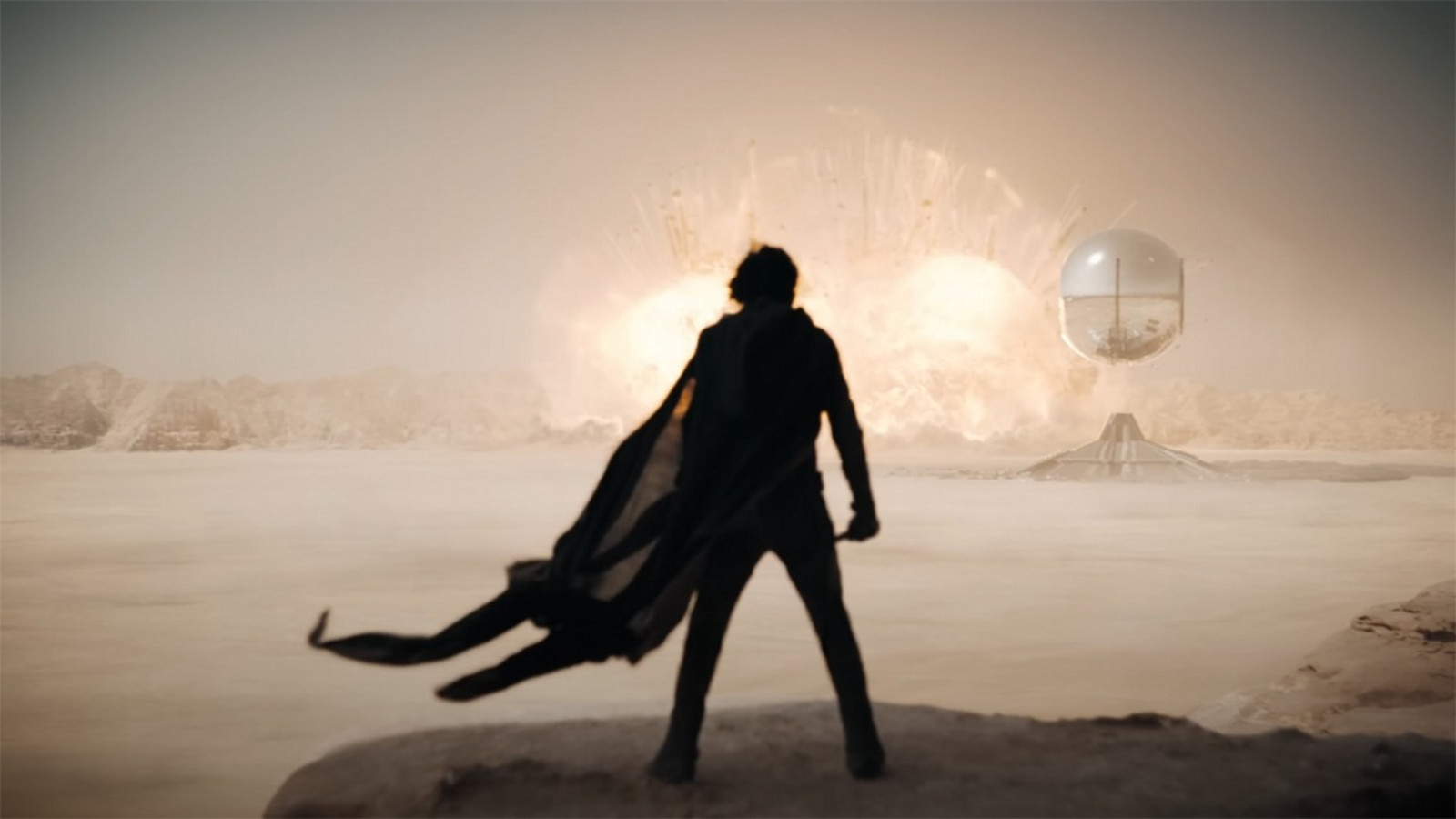
Dune: Part 2
Dune: Part 2
Dune: Part 2 is an absolute must see and already one of the best movies of 2024.
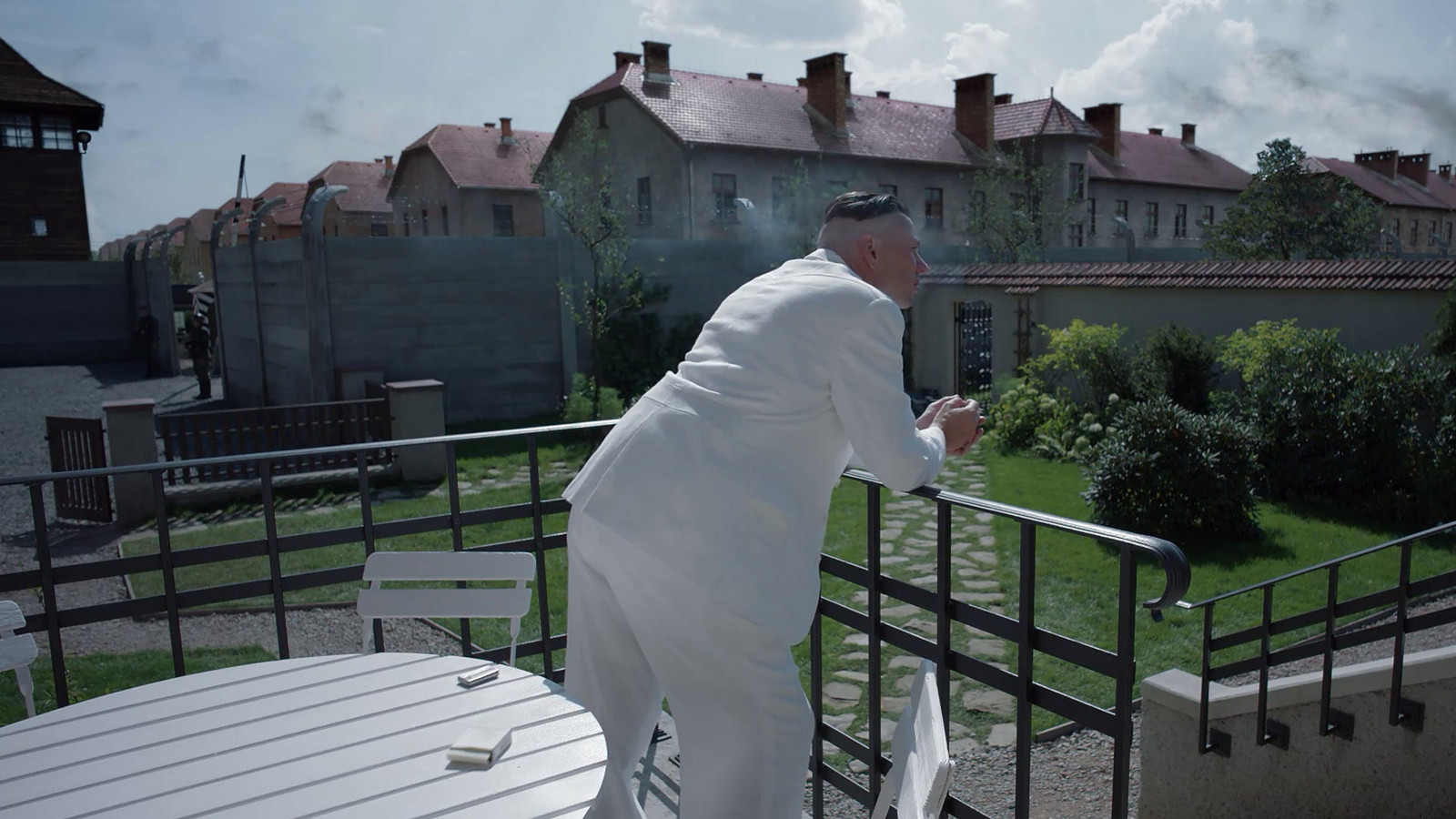
The Zone of Interest
The Zone of Interest
Glazer’s genius use of sound and imagery create a visceral world of pure evil.
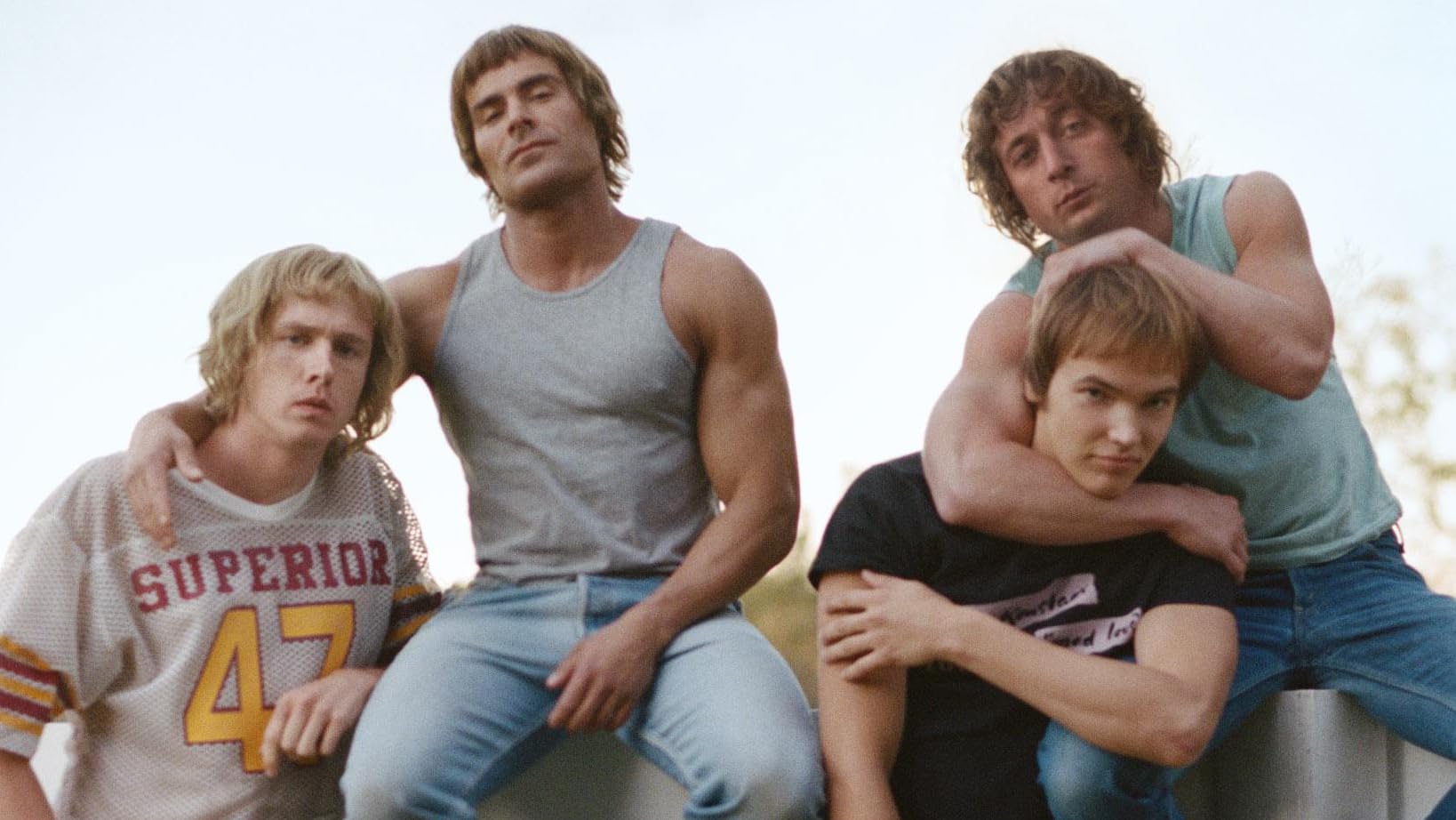
The Iron Claw
The Iron Claw
The Iron Claw engages and thrills us with exciting wrestling sequences, yet we never really feel happy when the Erich brothers win, due to the enormous pressure they are under from both the sport and their father.

American Fiction
American Fiction
Cord Jefferson’s Debut Satire on Race
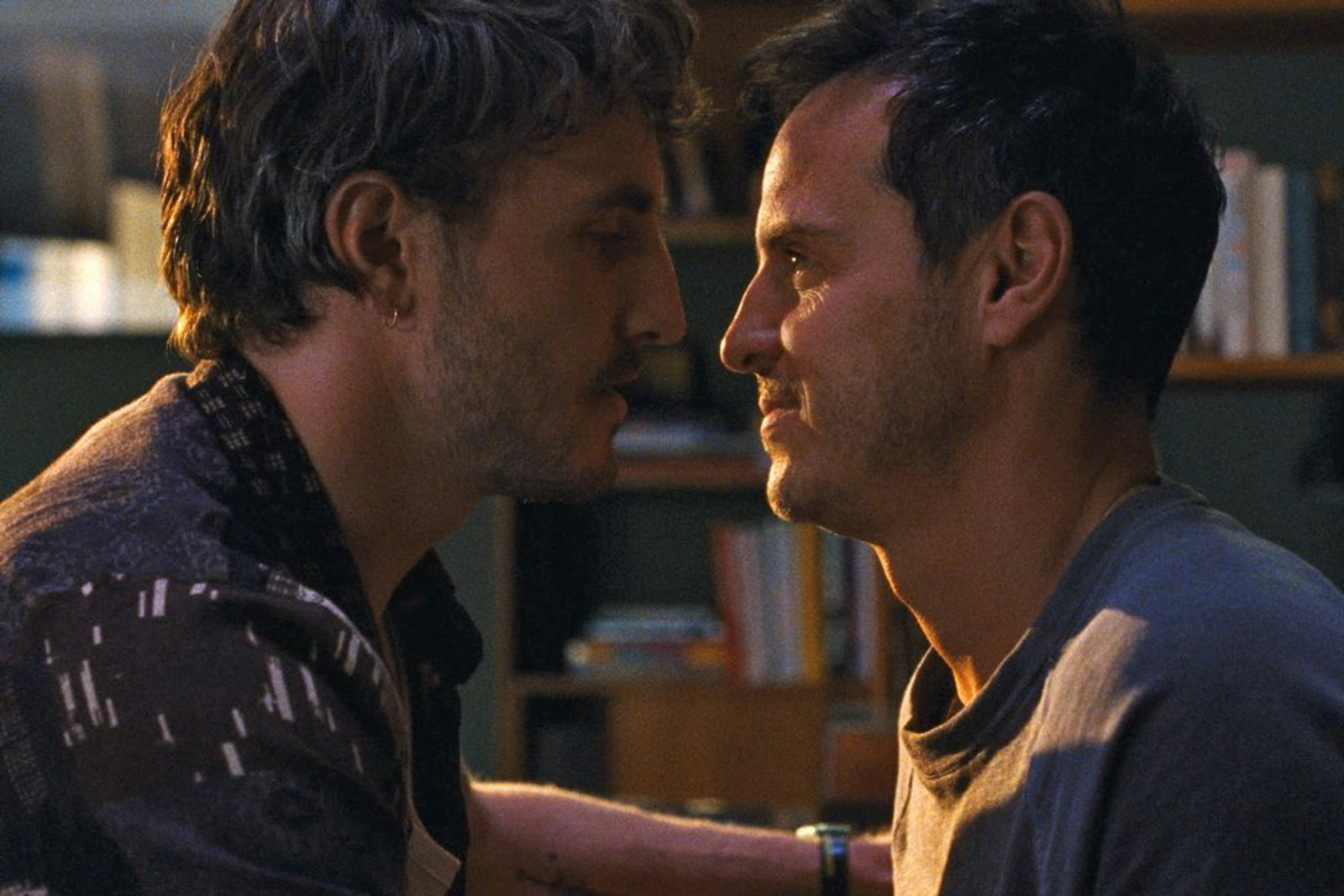
All of Us Strangers
All of Us Strangers
All of Us Strangers gifts our screens with a love story that feels both nostalgic and haunting...From beginning to end, it captures a journey of loneliness, trauma, and healing, and the rawness of grief that strips characters down to their core.
Related Articles
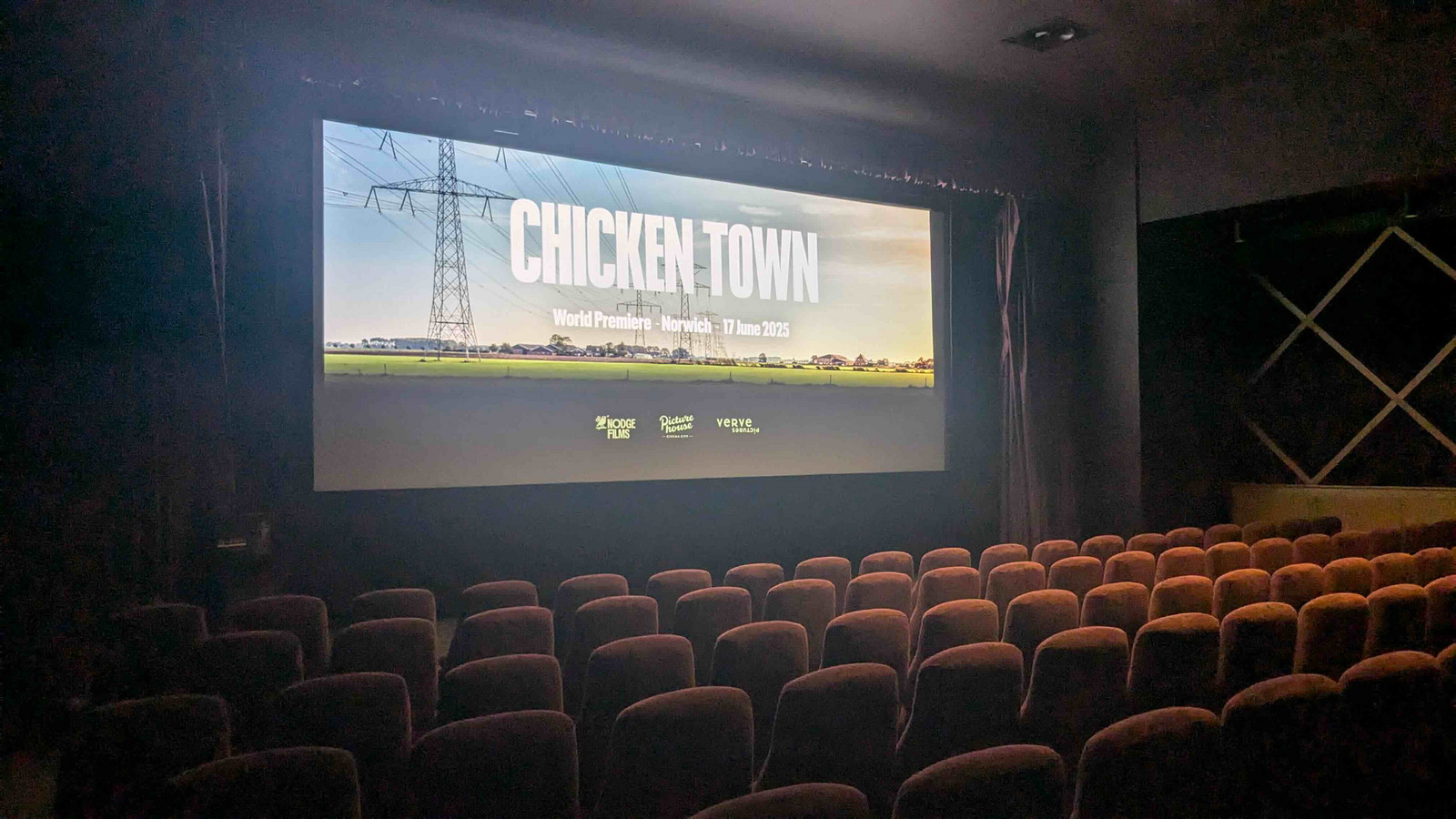
Chicken Town: World Premiere
Chicken Town: World Premiere
I’ve never seen a movie that can jump between comedy and grounded realism with such ease and respect. ..... There is real, genuine importance in this movie. Even after becoming properly engrossed in these characters and the themes present in the movie, I keep on thinking that there are deeper meanings that will register with me on a rewatch.
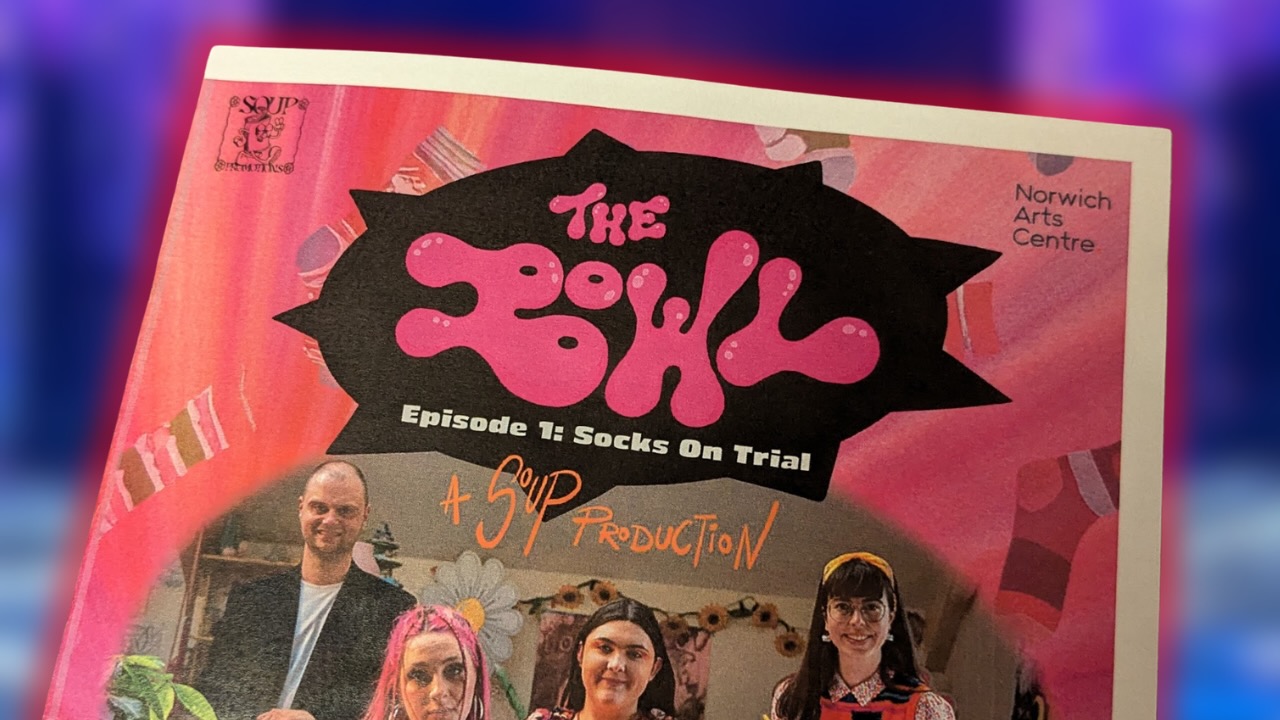
SOUP presents THE BOWL
SOUP presents THE BOWL
I know I've said it before, but it can't be understated how rare it is to see a brave new fledgling sitcom appear - never mind locally! I have to mention that the soundtrack to the episode was entirely original, which is unbelievably impressive for a project such as this. The leaflet I was given prior to the screening said that the pilot promised to be ‘bold, vibrant and entertaining’ - and that's absolutely what it is. That sums it up pretty well. There's a lot to be proud of here. I can't wait to say ‘I knew them when' years down the line.
A MINECRAFT MOVIE
A MINECRAFT MOVIE
...switching your brain off entirely is probably the best way to enjoy this movie. It’s easy to do, the movie is insane. I loved it.

Screamboat
Screamboat
Snow White
Snow White
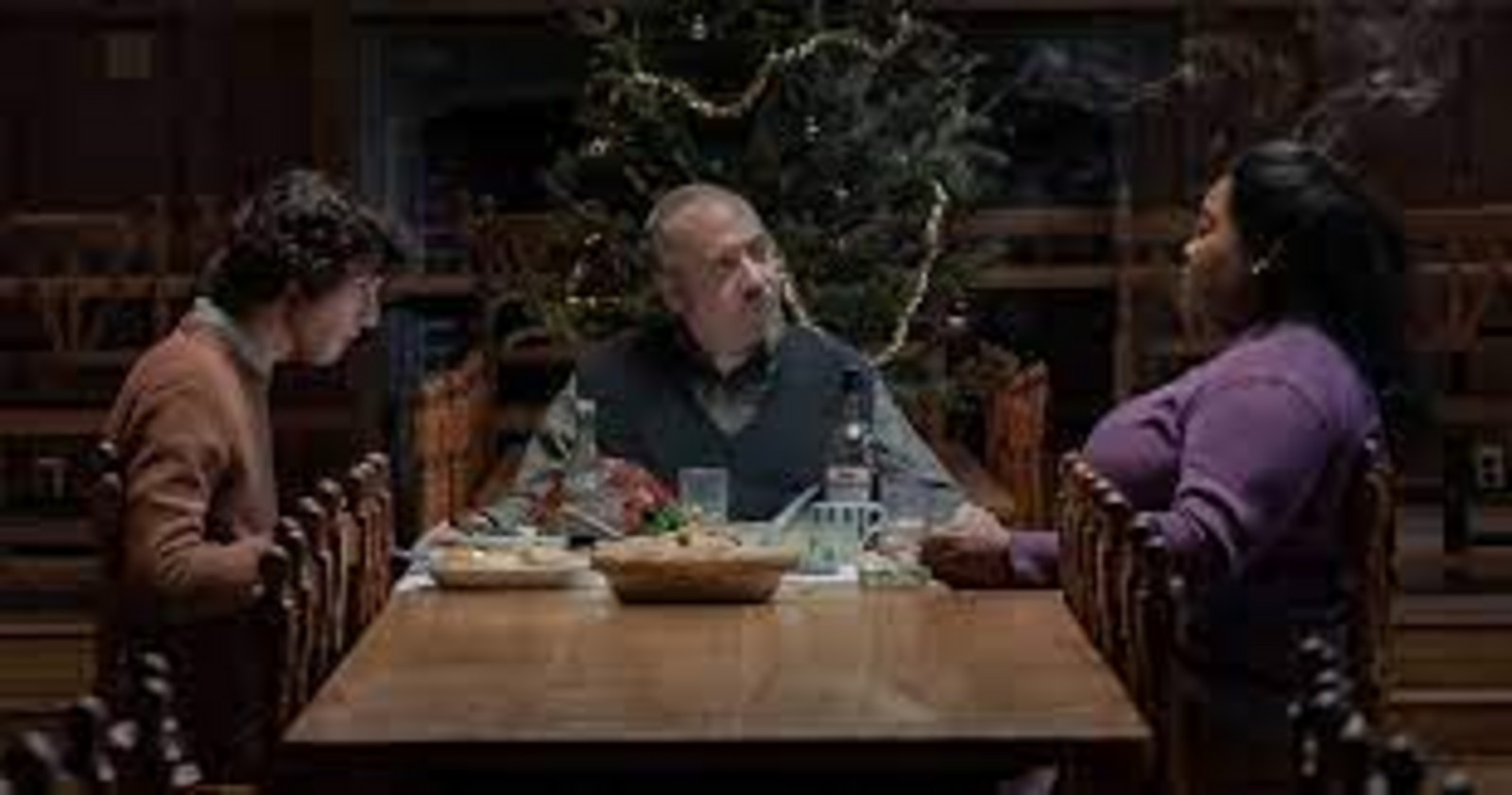
The Holdovers
The Holdovers
The Holdovers is one of the funniest films I’ve seen in a long time that will make you cry tears of laughter and sadness.