
Pasco from Norwich Arts Centre
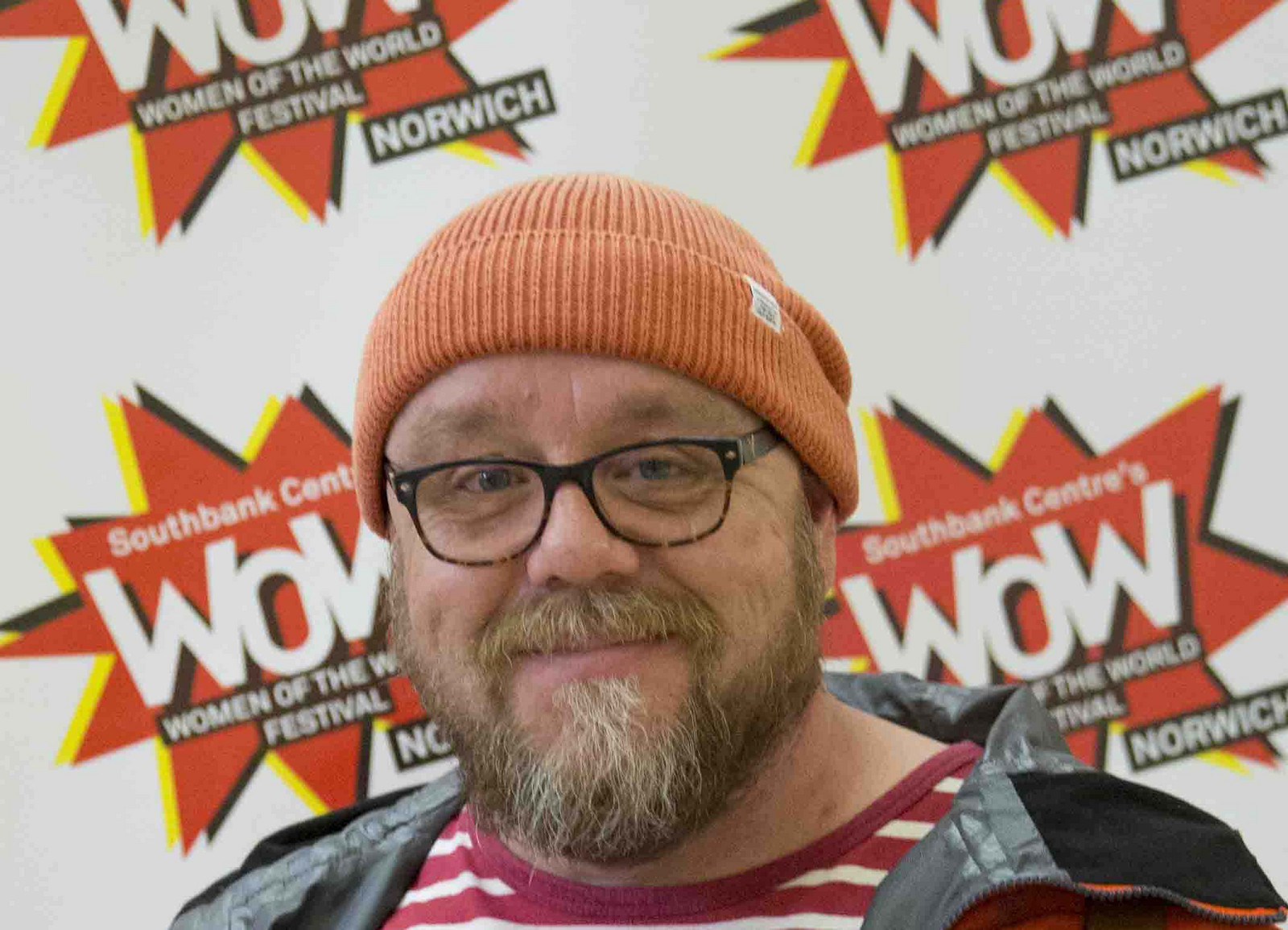
Many people associate Norwich Arts Centre with music butthat hides the fact of all theother things that happen here. How would you explain Norwich Arts Centre to someone?
I think if people still just associate us with music then I've failed over the lastfive years I've been here because when I arrived we were, and we have fantastic heritage and history in music as a Gig Venue. But as part of my interview I remember saying that, in order for us to sort of survive as an organisation we've got to get back to what we actually are; and that's an Arts Centre. We're a contemporary performing Arts Centre, and music is part of what we do. And so I swore to myself and to those that were interested in employing me that I would protect the music and ensure that, that was never compromised. But we had to develop all around performing arts offer. So, I think that we're kind of fulfilling the agreement now.
We've got contemporary theatre, live art, dance and comedy happening on a weekly and on a daily basis. So, with all of those things that we've always done we still do, but I think there's just a lot more of the theatre arts kind of things being presented at the venue. I think the other thing that I was really keen for us to have, and I said this again five or six years ago, was that protect the music, develop the performing arts, and get recognition for what we do. That was the plan also, because it seemed that Norwich Art Centre had been going for a hell of a long time, and it was very well known in the city and loved and supported. But beyond that, it was making some great contributions to support any artiste that wanted to become nationally significant. We weren't really getting the recognition for that. So, I think that's part of what we have achieved that we are now seen as one of the best arts centres, all around arts centres in the country. Because of our program, that cross art forms and because of our commitment to developing new talent we've had some real lovely successes with that.
But yeahI think the music program is as strong as it ever was; I'd argue it's possibly stronger than it's been for a while. We've had some real good talks as a team about the direction for the music and we keep trying to refresh it and keep thinking about it. It has to perform we have very clear budget lines; we know which is what we identify as a commercial gig, what we identify as a gig that's going to require some investment or subsidy. Yeah so, I think a lot of people will still think of this as a music venue but increasingly people particularly students, actually arts students from the UEA and from NUA that recognizing that we get some of the best performance arts in the country.
Let’s deal with that live theatre while you're there; because, that is something that you've really brought in very strongly here haven't you?
Yeah, we've got a really nice program I think. I think that I've still got a lot of ambition for it. But yes, so, my journey begins; I'm studying at Essex University, I'm 30 years old I go down to Colchester Arts Centre to see a band. I go on the wrong day and I walk into an avant-garde piece of live art, and it was being done by a guy called Robert Pacitti, and it turns out it was his first or his second ever theatre show that he'd made.
Robert Pacitti is now nationally important and he runs theSpill Festival, which takes place in London and in Ipswich. He's a major player now, but in terms of putting on a festival then his art and his theatre was astonishing. I'd never seen anything like it, I remember going home and thinking I want to work there. So this was a place I was used to go to, to see bands and then I’m seeing this really unusual stuff and it just excited me. Because I’d always thought theatre had to be in a big space and a bit like a pantomime, seeing that people could express themselves in a completely different way to how I thought theatre would be. I love the fact that we still adore Shakespeare now, but people are making really great theatre right now and I want it to be a place where people have the ambition, where they come and hang out and they try and make work here. Or we present work from around the world here.
When you look at some of the stuff that you've got coming up, regular events, what would you recommend people check out that they may not have seen?
I think when you work in an early stage, what I won’t do is that I won't ever give one theatre show over another theatre show, one band over another band. I won't ever do that, I won't say come and see this, because then what about that. I've got very strong opinions about that because--
What about things that people may not be aware of?
Yeah, yeah alright--
Alittle bit like you. You went to the first one by mistake getting the wrong day.
What I could have done at the door is go, “Okay” and walk away and carry on and do something different. But I would like to think that I was, well I was, I was open-minded enough to stop and do it. My thing on it is, is just come out and take a chance and it sounds a bit cliché but it's really important that you take a chance. You're not going to know who Frank Hobie is necessarily. You're not necessarily going to know who Michelle Sewell from Hack Theatre is. You’re not necessarily going to know some of the poets- but I think if you're interested in contemporary art then check out what we’re doing. You’ve got someone like, I don’t know-- Kiefer Sutherland, he's not going to be doing a play here in the next couple of weeks; I haven’t got anything lined up with him. You're not going to know any of the people that I'm putting in there, what you're going to do is read some copy, hopefully. You're going to look at some images on the website and maybe a bit of YouTube footage there. But just go and have a look, have a look at things that you don't know about. Because that’s how we move forward, that's what human beings do; is we explore things that we don't know about and that’s how we become more intelligent and rounded human beings
It makes you wonder because I’m now going to link to one of the questions I had for you which is; often you make live art performances ‘pay what you can afford’, what's your idea behind this?
Okay so, ‘pay what you can afford’; I first heard about ‘pay what you can afford’ by an organisation in Glasgow called Buzzcut. And they do a very Punk Live Art Festival. It's very small, it's very niche and they started doing this ‘pay what you can afford’ thing, and I thought that's great. There was about three or four of us venues at the time that adopted it as a model, and I try to do it for about 70 to 80% of the theatre shows. Part of the thinking is, it will help encourage people just to pop out and take a chance. It's not about-- I’m paying just as much for some of those shows that I might've paid for real big headline band, and charge 20 quid a ticket for. But the quality is great, but it is that thing of-- I was sitting at home in front of the telly and I’ve just seen on my phone that the Arts Centre has got some unusual bit of theatre on tonight or an entry-level band, and its ‘pay what you can afford’. I can go down there and I can have a pint and I can see a show for less than a tenner. And if you're a student, or if you're out of work, if you're on a pension, if you just haven't got much cash but you've got three kids running around [laughter], that ain't a bad night out. And it helps me with my feelings of, ‘people ain’t really got a lot of money’. And so, I work out how I subsidize things with that kind of thought process in mind. So, it is about encouraging people to take a chance, but it's also about people just being able to go out and have a good night out and hopefully it's less than a tenner.
Do you see, you think, people come back that have come to the first one?
Yeah, yeah. And what you notice as well is that they may come the first time and pay three or four quid or whatever. But as you grow that audience you also see some of the other people, they’ve just come and take a chance, come and enjoyed it. The first time they paid 3 quid. The second time they may be the people who’s coming in and putting a tenner in. And I think there's a collective social thing there as well, that people realize they're getting good value for money and if they can afford a bit more they’ll pay a bit more, once they've taken a chance. But also it stands that just the people that can't afford to go and have a night out and see.
I guess it would really be useful for people to understand what the concept behind that?
Well yeah, we give guidance but that means it's not ‘pay what you feel’; wha‘pay what you feel the artiste is worth’ I'm not happy with that you know. I think it’s ‘paywhat you can afford’ not chuck a couple of quid in the bucket on the way out. This isn't adonations thing, this is a business model. What I'm enjoying is increasingly I’m seeingmore businesses are recognizing that this works. I think for the festival this year it's a ‘paywhat you can afford’. It’s tough out there, I see it in lots of different organisations now upand down the country that are doing this because it does encourage people to come out whowouldn't normally have the money to go and do it. You know you can go and do 60 quid; a show, a couple of pints, a bag of chips on the way home, 60 quid plus your babysitter. That'sa lot of dough so; I like the fact that I can sit there and say you could go out next Wednesdaynight. I've got a show on.
Particularly if you're on a budget.
Yeah also, the thing that's probably that people as they get to know me it’ssomething in the process that I will say this, is if you can't afford it let me know and you cancome and do a volunteer on another show or something like that. I want people just to be able to go out and see good art. I get public money; we’re regular funded bythe Arts Council and part of that is to find ways and routes to ensuring people come out and enjoy cultural events. Culture is important.
It is, and I think it's misunderstood as well. Looking at music and then yourlive art stuff I would guess that you must be one of the busiest venues in the city, with therange of things you put on. How do you manage that timetable?
It's a team, yeah it’s a team. So, I would put our team up against; a) any teamI've ever worked with, b) and I'd put our team up against anybody. They’re committed,they’re professional, they’re all Arts through and through. They get where we're going, andwe all share a similar vision. And so, when it comes to saying; “Guys we’re going to goseven days a week this week, and there's going to be two shows on Saturday”. They say“Alright, okay”, and we discuss why we’re doing it and what the-- people come with it. So,we work hard we’re a small team and we manage-- Bradley manages our diary.I won’t confirm any bookings until I’ve cleared it with Bradley. So, he is the conduit to thediary but we all feed into what we want the program to look like. So, it’s yes meticulousorganisation planning, monthly budgeting and accounts, weekly staff meetings to make sureeveryone’s where they need to be and when they need to be there; it’s just stuff of running avenue. But I think the moment we say we can’t do six/seven days a week you kind of makingyourself a bit redundant. We take public money, there’s a responsibility that comes with thatand there’s also a responsibility to our customers to ensure that there’s just really good stuffhappening all the time. The second you take your foot off the gas as hard as you work tobuild a really great reputation you can start losing it as well so--.
It takes longer to build one than to lose one; you can lose one in seconds.
Yeah, none of us are ready to do that. We are a bunch of mavericks; the wholeteam is a bunch of mavericks. And I don’t micromanage; I don’t get involved in everybody’sbusiness on a daily basis. I trust people and if there’s a problem we talk.
It’s a sound approach.
Well it works for us.
Amongst the many accolades the Arts Centre been awarded was the ‘BestSmall Venue 2014’.
Yes.
That’s stunning really when you consider who you’re up against nationwideWhat draws artistes to this venue?
See that was a real gift wasn’t it for the Arts Centre the NMArecognising us with Best Venue in the East and stuff. Then we won the national award.When that happened I'd been here about 18 months and working and refreshing theprogram and getting stuck into it. The thing that I believe swung that for us was artistesre-tweeting, using social media to support us. That encouraged the general public; if yourheroes in a band are saying this is a great little venue support them and they’ve got 500,000followers or something, that made a difference. We were up against venues with 2000capacity, we’re 260.
Wow, yeah.
So, it’s anything up to 2000 capacity.
That’s staggering
Yes, that’s what it was. It was up to 2000 capacity so; we’re up against some big players. I think the reason why the bands like coming here is, I think again comes down to the crew. We’re all fans that's why we do what we do, we’re fans. We’re fans of the bands that we put on; we’re fans of the artiste we get to work with. We've all got some investment in it; you hear it every time there's an announcement of a new band coming to the Arts Centre. There will be somebody in the building that goes, “Oh my God, [laughter] I can't believe were doing them”. And that can be for a band that's only going to bring 50 people in, or that can be a big sellout show. So, I think that approach ensures that when a band arrive here, they're treated as we’d wished to be treated ourselves. So, we make sure the food’s good, we make sure the beer’s cold, we make sure their sound is good. Bands are just artistes are not difficult people if you recognise that; they’ve been on the road possibly for months, possibly for years.
I know Norwich is always hard to get to.
Norwich ain't easy to get to, and you get here, you’ve heard-- their experienceof Norwich may be this venue and the street. We try and champion them to go out, see someof the other bits and pieces that are around. But they get here and the are taken care of. Andthere’s also because we’ve had artistes that work as part of the crew that tour. Rosie being agreat example, she tours all over the country with her band Graceland. No plug there Rosie,but she tours around the country with her band, she walks straight into a venue and they'd beignored for two or three hours before anybody says-- because they’re not headline, well wefeed the support bands as well. We try and just take care of everyone.
And a good atmosphere.
That’s it.
When looking at some of the bands that have played here it might surprisesome people to know that Coldplay, Kasabian, Manic Street, Peaches have all played here. What's been your favourite gig?
I first paid Coldplay 50 quid back in the day. I did Coldplay before I camehere as well on that same tour. What's been my favorite band here? I can speak about,retrospectively I suppose; Young Fathers. I think young fathers for me that was a real big onebecause it was a band that Rosie introduced me to through her PONY UP work. I fell in lovewith them, immediately listening to them and then seeing them here in the main space,and they blew the rafters off the place. It was extraordinary. And then I've been-- I've followed them around ever since I saw them. Wherever they're playing, I try and go and see them. They're doing really well now so, I’d say Young Fathers is a real big one for me.
Another big one was Nic Hopkins, folk singer. Some people will know himothers won't. But Nic Hopkins was a guy that Steve Forster, our Chairman, introduced me to along with the comment, “I thought you knew about your folk music Pasco”. And I do, my mum was a proper folkie so, I do, but I’ve never really bumped into Nic Hopkins. And he’s just amazing on Penguin Eggs; a lot of it was written and recorded here at Norwich, which I didn't know at the time. And I'd heard that he, in the 80s had a really horrific car crash and disappeared off the scene completely. But at one point he was kind of a Joan Martin figure, a Martin crafted figure. He was really making a bit of a noise on the folk scene of Britain and then disappeared. And somebody said to me, Steve I think it was, had said he’d just done Cambridge Folk Festival.
And I chased him and I got a contact for his daughter and I said, “If ever Nicwants to come and do a venue show, we’d love to host him”. And it was a one-off date and he came and did it. It was about a year later after the first conversation, and he came in and he was very, very delicate and fragile and he was playing with his son. We’d also found somebody that played with him historically and we got him to come in and to support; and there was this moment of recognition between the two, it was like “that’s one of my old mates that’s in the venue”. And he got him up to play with him, and it was an older crowd that knew every word to every song. And, I could be wrong in this, but I don't think Nic’s played since either. I had an email exchange with his daughter a few months ago just to say that was one of my most special gigs ever and ever. And if ever he wants to come and do another one I'd love to do it. But he's not coming out here, but he had one of the finest English folk voices ever. So, I’d say that's one of my favorites; Young Fathers, folk, who else would I say, we’re doing five/six gigs a week.
Yeah, I get that’s it’s a hard question.
There’s two standout moments for me. Some people would know this; Idon't come to all the shows. I get excited putting the shows on, I don't need to be here everynight. I've got a young family and I’ve been doing this a long time and I don't want my kidsto just feel that they're kind of casualties to my career. So, I spend a lot of time hanging outwith the kids, doing stuff with them. So, I know exactly what's going on and what we’redoing. But sometimes, I'll probably come in for one or two shows a week. So, it's a lot goingon -- I didn't come and see Baxter Dury, which is just crazy, because I love hismusic and I’ve been into him for quite a long time now and chased that gig hard.I get the special bit, I get the bit immediately after the sound check; and that is a bit special, if you're a fan of music to be in there in the sound check can often be just one of the most fun experiences. So, I'm listening to Baxter and his sound check, I then get the chance to have a chat with him. And I’m from Upminster, Upminster is where his Dad was from originally; and so, we had a little bit of banter about Upminster and all of that. And then my anecdote was I remember my mate up the road had given me a tape with The Clash and the Pistols on it, and my Dad coming home with New Boots and Panties and The Stranglers first album out [laughter]. And that was it, that was all I played, was those four albums probably for about two years. So yeah, and I did the first gig with The Blockheads after Ian Dury died, I did that at the Colchester Arts Centre and they had Wilko Johnson playing in the band, then you had Phil Jupitus fronting up, it was great. So, I’ve got a real long affection for Ian but Baxter’s got something special about him and he's going to do all right.
When you mentioned PONY UP a little bit earlier, and also consideringthe work that you do with Sonic Youths , you very much provide a stage for local bands.Why do you think that's important for the Arts Centre?
To get a chance to play there, in my opinion, means the venue should probably just shut itselfdown and ship itself off to I don't know. Without having a scene around the venue, the venuewll just stagnate. We need to be inspiring new people to come forward to see stuffand, we need to be providing an opportunity for people to say how they feel about the world;that's what music does, that's what they're doing. So, Sonic Youths for me was an originalidea by Annie Catwoman and a woman called Lydia, who worked with us for a while, withme saying let's do something interesting with young people on a Saturday during the day.And so, Sonic Youths was born out of that moment; they came back, they came talking to meand the thing that was most important for me with Sonic Youths was it was kind of like trying to give young people the first gig in front of a paying public outside of planning thegarage or in the bedroom. With bands, always you spend ages practicing and rehearsingand hanging out with your mates, and all of that is brilliant. But then you need to go and playsomewhere.
And that’s the real world.
And then it's real, and also because I’m aware of Norwich Arts Centre’sheritage; that's the venue they’re going to want to play at. So, Annie sits down and she listensto it all, she curates, and she spends a lot of time looking at it making sure she's gettingpeople at the right time. What I try and do is keep a certain purity to it, and the purity I’m what we’re trying to give you is a bonafide Rock N’ Roll experience. It’s on a very smallscale but it’s in a venue that will appreciate you that will try and take care ofyou. There will be staff around you that will care that you have a good experience; Anniedoes that brilliantly. So, it doesn't matter if you're 14 or 70, you're going to be treated withthe same level of respect; that doesn't happen everywhere. We also then want to findopportunity, it is for them to go out and get gigs in other places. So, we've done some of thatfairly successfully, and some of the artistes are carrying on and doing really well now, andthat's fantastic. And they’re very grateful to us for giving us that very early moment.
PONY UP’s kind of a development from some of the Sonic Youths stuffwhere we were getting bands nationally. We will often put bands that have come through theSonic Youths scheme in a support. And then some of the PONY UP, once they've get tohere, some of the PONY UP bands may then be supporting a big headline band. It can go somany different ways but I mean--.
Sounds like a graduation.
It's kind of like a graduation and it's protecting and also preparing them to getin the back of a van and go up and down the M1 for 50 quid a show. Because that’s how itwas 20 years ago and it’s still how it is today. You can have all the academic support inmusic development, you can have all these different routes to progress, and but the bottomline is unless you're prepared, and you’re up and down the M1, 50 quid. They eat cheesesandwiches from a roadside cafe, all of that, I think that is part of learning your craft.
Recently you hosted the Women of the World awards weekend out at theSouthbank, now you was one of the few venues trusted with this; why do you think thatwas?
That's interesting so, quick background on it was; I’d seen it being advertisedthat they wanted a Creative Programmer to take care of Woman of the World in Norwich,and that it was going to be based at OPEN. My immediate thinking was, “Why didn't theycome and talk to us first, we could've hosted it.” But of course we couldn't have hosted it; it'sa big ambitious program, [laughter] OPEN is the perfect space to do it. It had everything thatwas needed, and then I'm sitting there with Rosie and were chatting away and I'm saying Ikind of think we should ask Southbank if they’d consider letting us program it.
Me and Rosie, had a good chat, thrilled about it, but before you know it Rosieis having a Skype interview with Jude Kelly. And we played a straight-bat; we just met and talked about what the vision would be for it, and where we'd be trying to come from. And that we wanted it to give a platform for women from the region, or from people from the region; to talk about their experiences in this. And so, the Southbank bought into that, Jude Kelly bought into where we were coming from, and appreciated it, supported it, stayed longer at the festival than we were expecting her to. She was having a great time; we were plotting a complimentary evening program here that worked well as well. They would have gone around and asked people, “Do you think Norwich Arts Centre can handle this?” And I think the answer obviously came back resoundingly yes. And if I'm honest I think Rosie and the crew kicked that one out the park; that was a brilliant festival.
I know our reviewers that went along, loved it.
It was brilliant.. What was lovely Rosie had to the opportunity in some way,because there was proper money involved to support it. Rosie and Cathryn worked veryclosely with them, and they had the opportunity to really curate something. To spend threemonths just working on one project..
Wow.
I've never had that opportunity, and what it's demonstrated to me is, if you canfind those opportunities for staff you really trust and make the most of it; not just try andsqueeze an extra few quid in your bank account now. If you can really use the money wiselyand give staff that opportunity, very rarely will they let you down. Kelly really got into it;our Marketing Manager. She enjoyed herself immensely on it,, you know Bradley and Alex,we were just all in. It took over the building for a while, we still kept our program going, but it was, I think one of the things we’re all proudest of.
And justly so.
It was good.
You’ve worked in the Arts, well over a number of years. I don't want toembarrass you by saying how many….
Actually like 20 years, 20 years it is this year.
How do you see it at present?
Okay so, public funds is not going up, I'm funded now by the Arts Counciluntil 2022 and that would have been at standstill from 2012. So, that money is not going upat all. City Council money is not going up so, there’s no more investment from big publicfunding beyond what we currently get. And I’m always happy to talk about that, and I valueit and it's important. But they're feeling the squeeze as well, and whilst there are teachers andnurses losing their jobs, I’m not going to cry about it. We need to just constantly make ourprogram relevant so people want to buy tickets. I think there was a lot of expectation that bigsponsors would come on board and pick up the slack, and some, they're going to chase thebig organisations.
We’re proud of being a small organisation so, we're not going to get privatebackers come and give us a million quid or anything like that. I don't worry about it, what I try and do is get a little from a lot. So, we talk to lots of different little organisations, and if we’re not making huge asks people are a bit more willing to support us; so, that's the funding side of it. The most important side of it I think is selling tickets to the public; because if you're selling tickets to the public, and the public like what you're doing and you're getting it right.
So, selling tickets is it, that’s a good bench mark of where the health of an Artorganisation is specifically. But I know you're asking in a more general sort of context;where do I see the health of the arts at the moment? It's fragile, but it's always been fragile.The Arts are something that people don't miss until they haven't got it; people take it forgranted sometimes and just pretend it will always be there. Or they kind of think well that'snot for me, I'll go and do rugby, or I’ll watch telly, or go to the cinema. All that's fine andgreat and those things are all important, but the Arts do something, I think, that no otherhuman activity can do. It kind of reminds you of your place in the world at any given time;that's what the arts do. If an artist is doing their job well, they’re communicating somethingabout themself, but more importantly something about humanity. And I don't know any otherhuman activity that really kind of does that. And it can be anything from politics to sports tohealth and well-being at the moment there's a huge onus on the Arts to become much moreengaged in the health and well-being agenda.
Education, we are increasingly involved in education, and all of those things Ithink are really good and important. I do worry a little bit that people kind of see us as a panacea; we can fix everything with less. People really want what we're capable of doing. It’s been one of the most successful industries over the last 20 years we know that the Arts have grown and the artistic output in this country and the effect that we have internationally, and have always had internationally, particularly with music is valued and important and they get all of that. But that all comes at a price, and the price is actually, it's little organisations like this being prepared to do it every day of the week with tiny profit margins. And so, I think right now we’re holding our own, we’re doing okay. The thing that worries me most is the expectation that we can continue to take up the slack, where other areas of social society are suffering.
So, in health I think the arts definitely have a fantastic role to play in healthand well-being; but we’re not doctors, we’re not social workers, that’s not what we are. What we are is a venue [laughter], but an organisation as well that wants to create a better place for people to express themselves. So, one of the things that we do here we run a small group with mental health users that come in on a Monday. I don't need to shout about it, and you don't need to know about it necessarily; but it's a music appreciation group, and they meet every Monday religiously. And they listen and talk about music with each other, that to me is a very valuable thing. We don't make any noise about that; that's just there happening.
Our education program; we've put through three apprentices and four internsnow over the last four years. All of those but one have gone straight on to other jobs. We work closely with universities, and we work with some of their interns and they get great opportunities with us. They go back, the last two that we’ve done have come out with first from the university, and a lot of that they credited, we’re very close of course, they credit it to the time that they spent with us. So, we’re educators as well. The health of the Arts at the moment Kevin is, you're dealing with a whole industry at the moment that's up for a fight. We think we're relevant, we think we’re important, the public think we’re important and relevant. And we’re going to stand our ground, and we’re going to carry on doing what we’re doing, and hopefully people will still be able to find the time and means to come and enjoy some of what we do.
What gigs have you got in the next six months, you would say are not to bemissed?
Probably in the next six months, it’s going to be what , two hundred shows?I'll tell you what I’m working on at the moment, a festival with electronic music. And I’m working with a couple of partners on that. I'm just testing that out as an idea to see if we’re all in the same place. So, I think that's something to keep your eye on, that's going to be in the next six months or so. And that will be three days of new and some established artists working with electronica. I think that's really interesting as I think kind of that probably electronic music is still one of those things that’s deeply misunderstood. Obviously I’m part of the rave generation and all of that, but it was a lot more than being electronic dance music. It's just electronic music is interesting.
I think that classical, typical classical music is okay, it's good, I can't criticiseit. Why would I? But I think that a lot of artists working with electronic music and their approaches to composition are quite similar and yet it's not given anywhere near the same sort of status. And so, for example, my favorite album at the moment is John Hopkins. brand-new album, absolutely brilliant, he's too big for us to do. But his approach to composition is really interesting. Brian Eno was doing this like forty years ago, and doing really interesting stuff then; and okay, he’s one of the most successful producers, musicians, artist of the late 20th century. But he always has a really interesting approach to composition, and a lot of electronic artist have this; just a bit more than three chords and a little bit of that. So, I'm excited to see where that might go - an electronic music festival here would be great.
I'm also working on a live art weeklong series of events, that’s going to beworking with some artists from around the region. And I think we're going to probably focus on working with artists that are definitely gonna be outside artist. Possibly the focus might be on working with artists identifying themselves as having some sort of disability. That's something that's quite important to me. So that’ll be two things I’d say keep an eye on. We produce a new brochure every eight weeks as you know, it’s easy to just pick up the brochure and then go to the website--.
And hopefully you'll find something that you like?
If you don't, let me know; because I'd like to think there is pretty muchsomething there for everyone.
Where do you think Norwich sits withinthe arts world?
I'm very pleased that you asked me that. Norwich being where it is has got a strong independent sense of itself; it's unlike any other place that I've ever lived. In the time that I've been here I've seen growth and ambition from the artistic community, from the people that live here that support the Arts, and from funders. There's a lot of attention around us. We have one of the largest Arts Festivals in England at the moment. With a new director in the post, that's going to be interesting something to keep an eye on. We have Stephen Crocker heading up the Theatre Royal, real good soul, young blood coming real good approach. I think we’re going to see changes there at The Theatre or we’re already seeing changes there; and that will filter down across The Playhouse and Stage 2. We've got one of the finest young theatre company’s now based here in the city; Curious Directive, also now, regularly funded by the Arts Council.
We've got a circus school happening here and a circus company, two circuscompanies based here, that's all happened in the last five years. We've got a City Council that are ambitious; they want to see development in arts and culture, they get it, I think they really get it more than other places I've lived the City Council here really get it. And I think increasingly our Arts Council, based in Cambridge at the moment, are looking at Norwich and saying, “That’s a place where it's really going on.” I think what's happening, and this is definitely what I'm trying to do, is bringing in the best that we can nationally, internationally; and bring it here and get audiences and artists seeing that stuff and that provokes responses, helps us get better at it as well. Then my aim is that we take it out across the world, across the country.
So, I've got a big thing about ‘Created in Norwich’ at the moment. And we'vehad a couple of really fine examples of where that's worked. I suppose the biggest one of the last couple of years has been the Klanghaus Crew. There you go, that's a great example isn't it. So, at the time we’re running WOW Festival here and we're having all that discussion with The Southbank, which I would say is probably the best Arts Centre in the world, we’re having that conversation with them. I am delighted for Rosie who as a result of that is going to work at The Southbank
We've also got Norwich Artists ‘Creating Concrete Dreams’ as part of theopening exhibition that's been going on down there. So, you know it's in and out; we’re bringing it in and we’re also pushing it out. So, the fact that you have The Playhouse there doing that at the same time with Norwich Arts Centre involved in both of those movements, I don't know if I'm going to better that, but I do think what that does it say Norwich artists can and are making work that's nationally significant and it's our job as a venue, and it's our job as a community, to support that ambition.
And the way we do it, is we just take risks and we push things forward. We'vegot shows that we’re supporting going up to Edinburgh this year. I don't know what the future of those shows will be; it may come to naught. It may kick off in the same way it did for the Klanghaus Crew. I've just supported Simon Floyd to create his Ketts 1549; that was a big free show it was a am dram show, he'd hate me for saying that. It went out and was seen across the city; they had a crew of 30 people running it. I want it because I thought he had a story here; the story of Kett is a universal story of challenging authority and not just accepting.There's so much that's going on in contemporary politics at the moment, thisreally needs to be challenged. And hopefully it won't come to a full-blooded revolution or anything like that. But it was back in 1549, and Robert Kett Revolt is a really good story. Floyd has now reduced that to a five-hander piece of theatre. The story at the moment got a lot of awful gags in it, and he's gonna hate me for saying that, but I kind of want to trim that down a little bit. We’re going to take it out of Norfolk.
It doesn’t travel too well?
We’re going to take it around Norfolk, but I want it to be seen in Exeter, Iwant it to be seen in London, and Edinburgh; so we’re going to keep refining it. But there's a good example, I think, of somebody coming in who is used to working in a certain way and with some tweaks, with some attention, with some funding Floyd may be one of the next big theatre directors in the UK. I don't know, but I know he's got something going on and so I am keen to bring in the best, develop the best, and then push it back out again. So, I think there's a lot of attention in Norwich, because I'm not the only one doing it. The arts community are doing a great job; they’re all doing a good job. The festival doing a good job, Curious Directives, Last Show, Frogman did incredibly well. So yeah, I think we’re on the money.
Probably it could be a good incubation area?
I think we are; I think we’ll get better. But we need people to carry onsupporting us. I'm not asking for something for nothing; you will get the community that you deserve. The more you put into it the more you get out of it; the more you come out and say things. How many people were on the streets the night for the opening of the Lord of the Earth, or the opening of the Norfolk and Norwich Festival. Thousands of people were on the streets. We’re going to be doing the Lord Mayor Procession, thousands of people on the street. We've got money in to do it, again where one of six cities in the country that's been chosen to be part of Circus 250. Why has that happened, because the Arts Council’s looking at us, Circus 250 looking at us, and again that’s an area that will make things happen. And I think it’s because Norwich is independent and it's not scared to try and take risks and push boundaries. So, I think, well I know, right now I should be thinking about going off and looking for another venue; I’ve done my five/ six years as a director and that tells you there's still a lot to do, we’re in the middle of it!
Norwich, from the bits I see, there are some really great and talented peoplearound here. They hopefully haven't got too many people telling them what they can't do.Just let them find out what they can do.
Hundred percent and that only happens if you are prepared to take risks. So, Imean the way I work here is, I will take risks with all sorts of people. I won't always get itright., I know it's not all going to go off to the Southbank or Luke's play, you know he did fora couple years with Johnny Bevan; it’s not going to tour the whole world. But there will bemoments when that does happen, but what’s most important is that people feel if they've gota voice there's an organisation here that will try and help. We can't help everybody and wewon't always get it right, but we will try and we can never be accused of not caring.
More Features
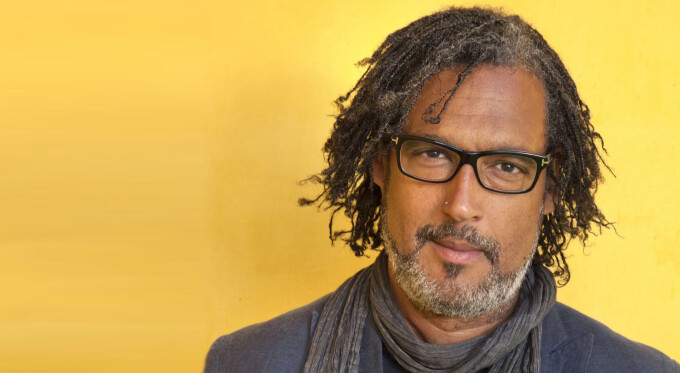
David Olusoga - A Gun Through Time
David Olusoga - A Gun Through Time
What was most surprising was how witty a speaker Olusoga is, quite a revelation given his austere TV persona. Given the grim journey he was about to take us on, perhaps its purpose was simply a chance to get to know each other before discussing the elephant in the room - or at least the gun on stage - the Maxim gun, known as the Devil's Paintbrush, spewing out 666 bullets a minute.
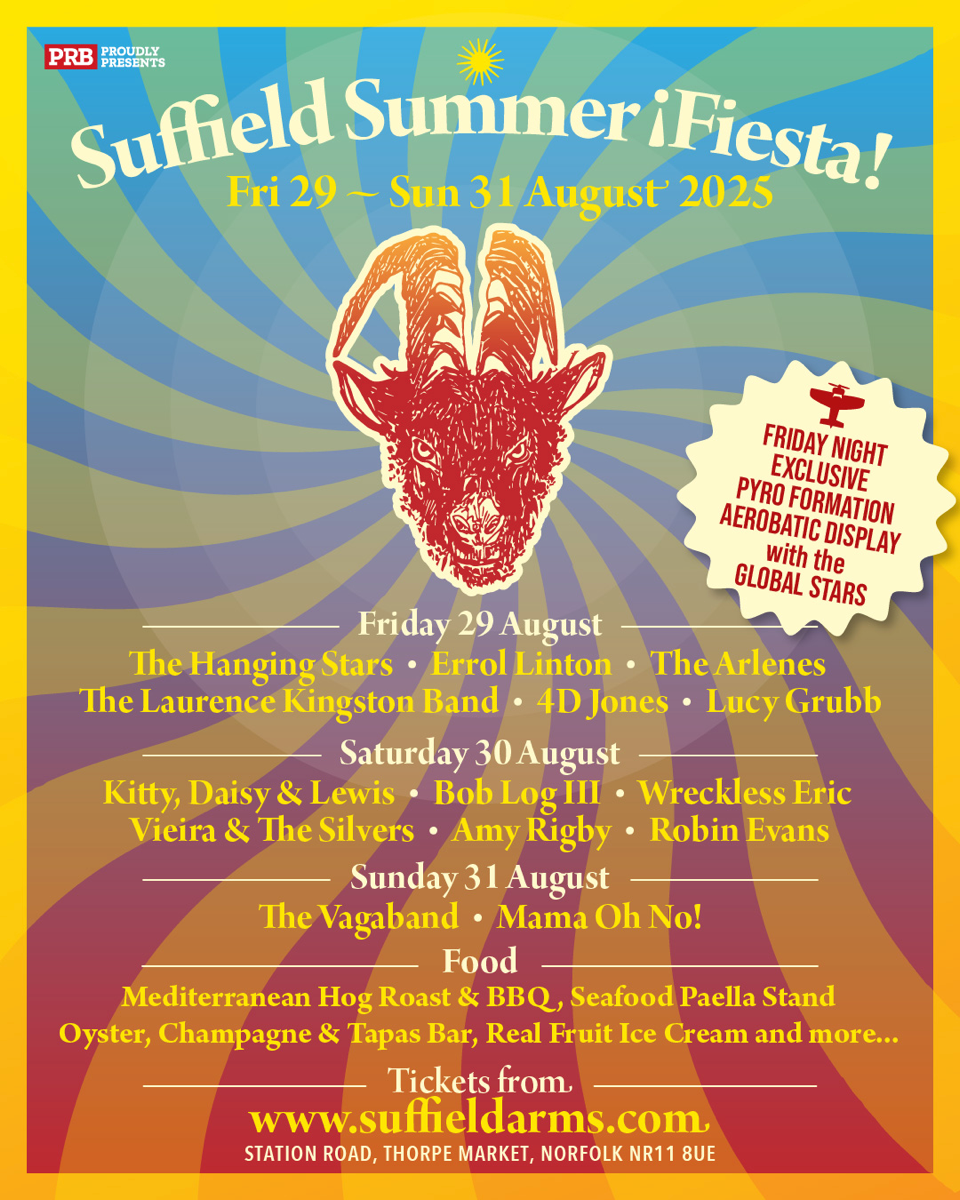
Suffield Summer ¡Fiesta!
Suffield Summer ¡Fiesta!
At the Suffield Arms 393 Station Rd, Lower Street, Norwich NR11 8UE, UK Friday 29 – Sunday 31 August 2025
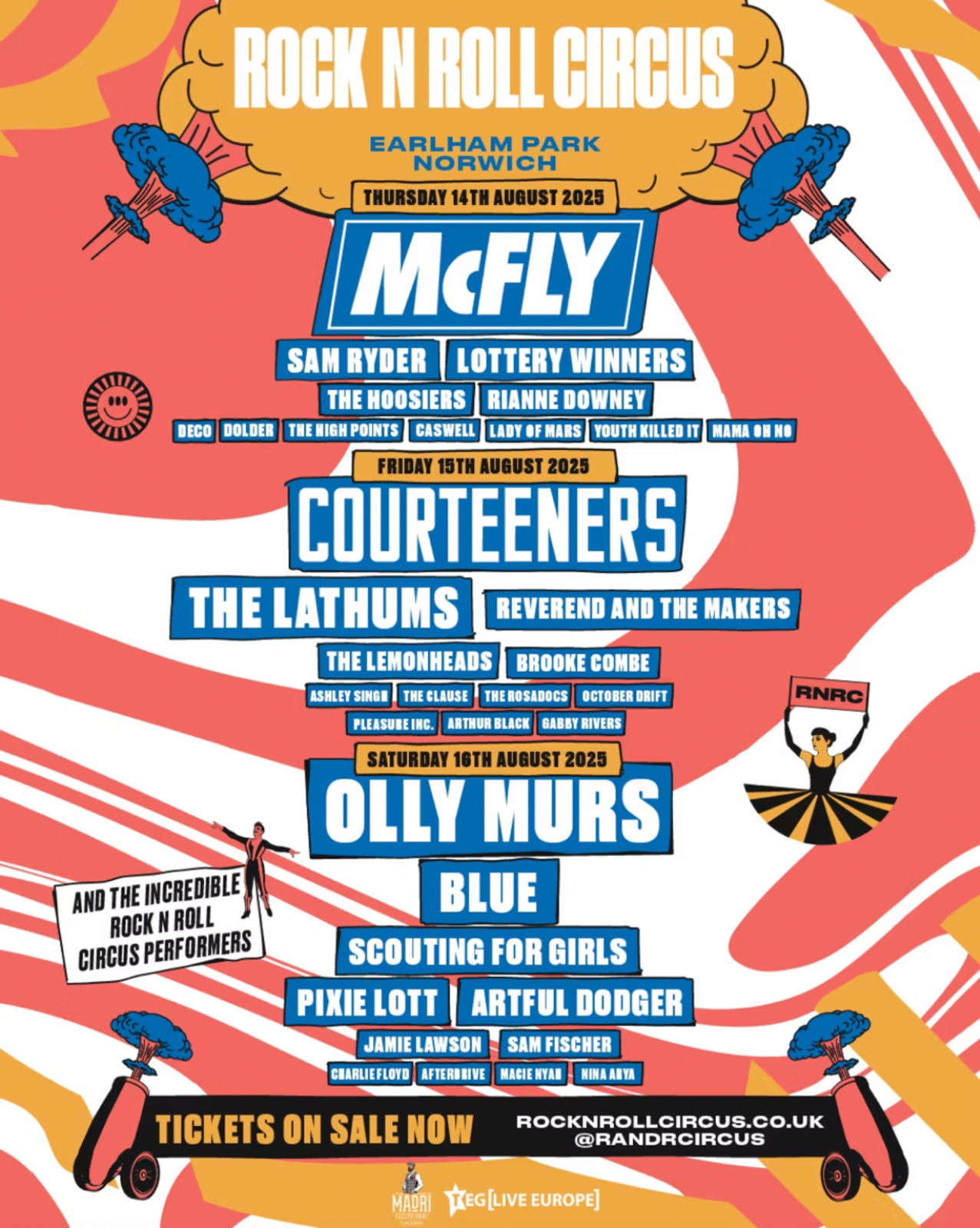
Rock'n'Roll Circus
Rock'n'Roll Circus
Rock N Roll Circus is coming to town for three packed days of live music &entertainment – and here is All You Need to Know.
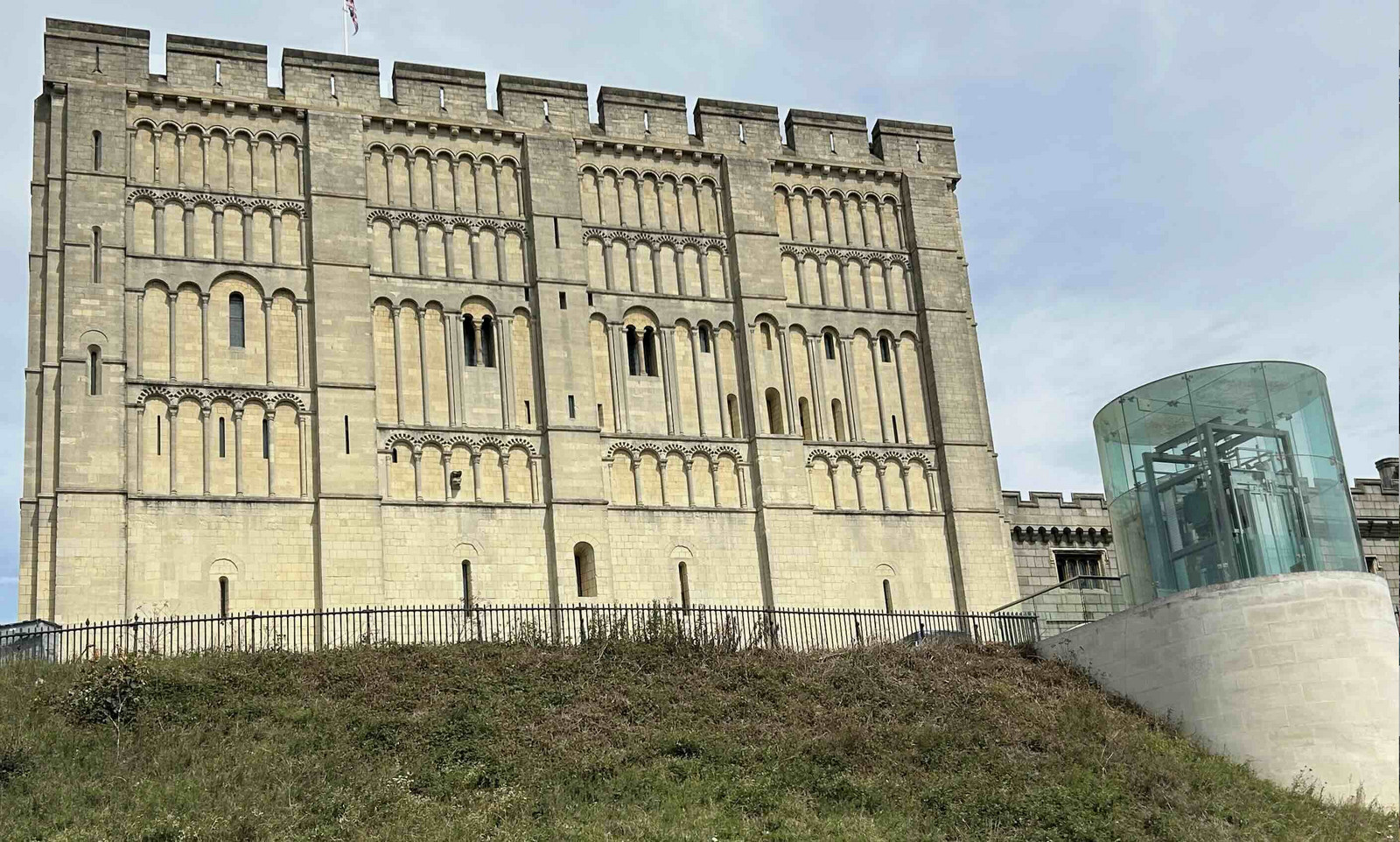
Norwich Castle Keep
Norwich Castle Keep
Simply stunning and superb in equal measure
THE CASTLE: REBUILDING HISTORY -Literally a look behind the door
THE CASTLE: REBUILDING HISTORY -Literally a look behind the door
Get a feel for the amazing work that has gone on.....
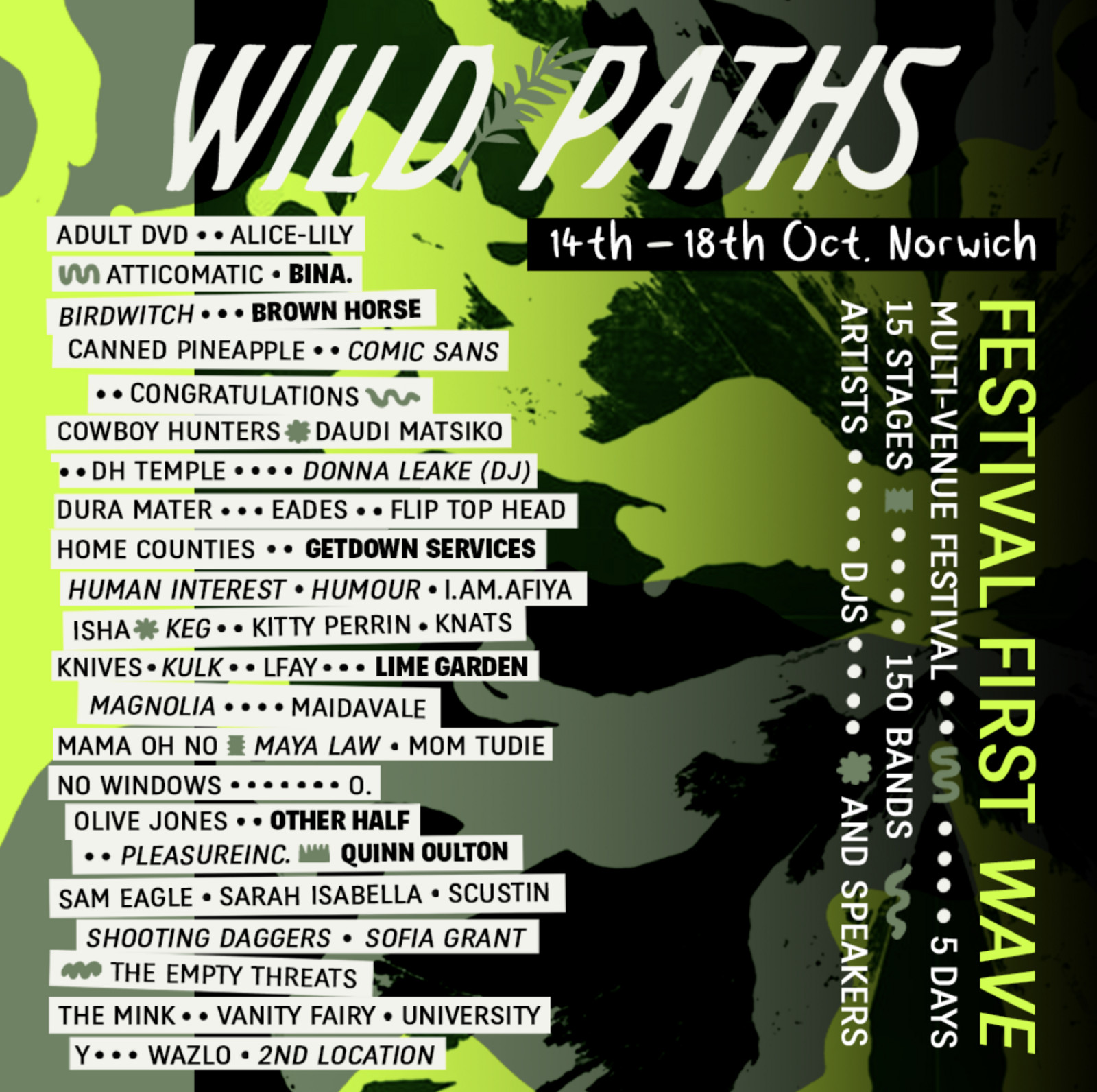
Wild Paths 2025 14th - 18th October
Wild Paths 2025 14th - 18th October
More by Outline

Best of 2024
Best of 2024
Our volunteer writers and photographers are STARS. Not only do they trudge along to all kinds of shows and gigs in Norwich, they also take the time to write reviews and take photos so y’all can pretend you were there. Here are some of their personal picks on music and more in the year of 2024!
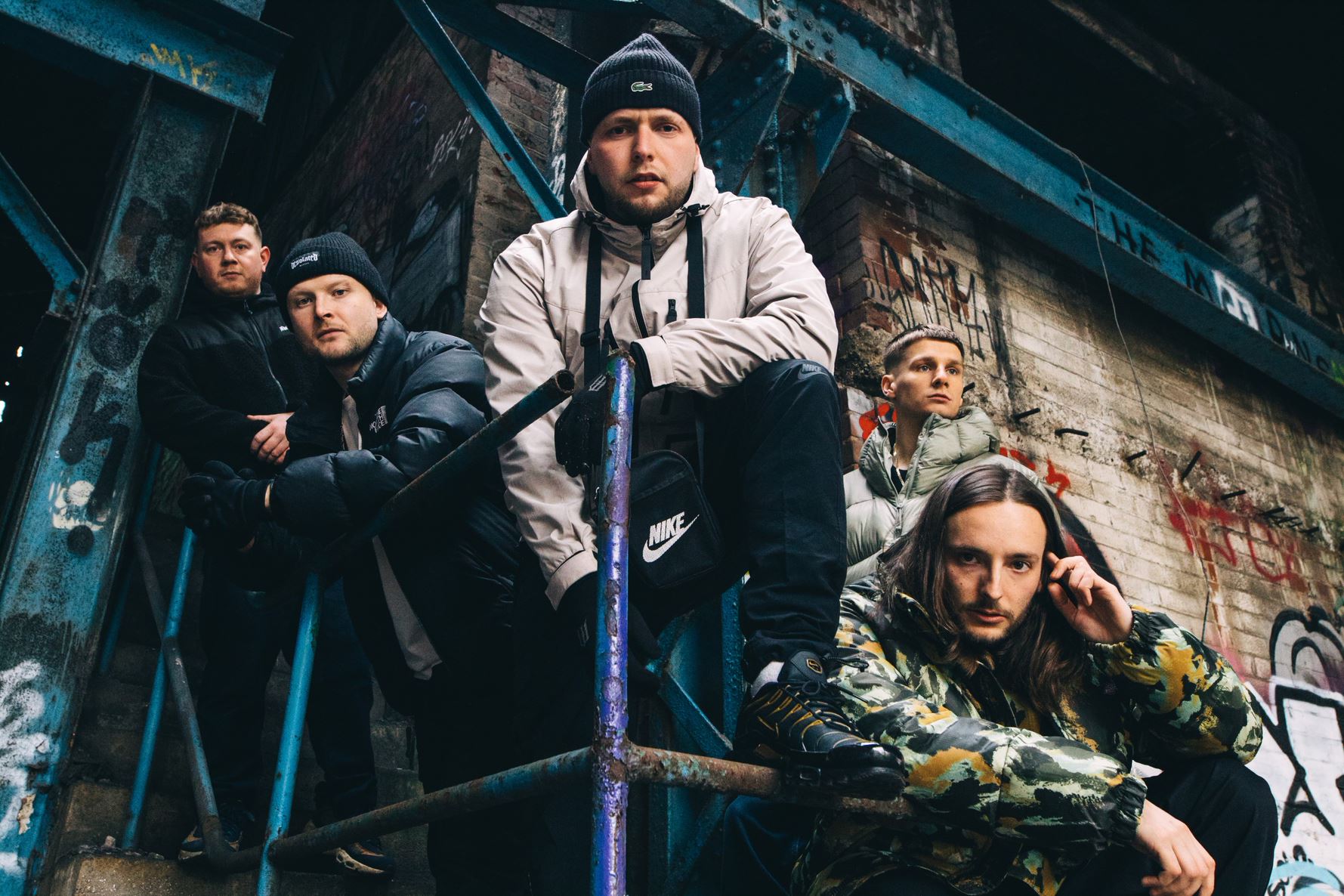
Malevolence
Malevolence
Malevolence are pleased to announce a new 11-date UK club tour for February 2024, tipped to completely sell out like last year's headline tour. They will be joined on the road by Pain Of Truth and Rough Justice.

Best of 2023
Best of 2023
Our volunteer writers and photographers are STARS. Not only do they trudge along to all kinds of shows and gigs in Norwich, they also take the time to write reviews and take photos so y’all can pretend you were there. Here are some of their personal picks on music and more in the year of 2023!

Best of 2022
Best of 2022
Our volunteer writers and photographers are STARS. Not only do they trudge along to all kinds of shows and gigs in Norwich, they also take the time to write reviews and take photos so y’all can pretend you were there. You can check out all our gig and new album reviews on our website, www.outlineonline.co.uk. Here are some of their personal picks on music and more in the year of 2022!
Rick from Epic
Rick from Epic
Craig from Open
Craig from Open
Related Articles
Ali Bongo
Ali Bongo
Tabitha caught up with Simon to find out more
First Bus Depot Sprowston Verfied Net Zero
First Bus Depot Sprowston Verfied Net Zero
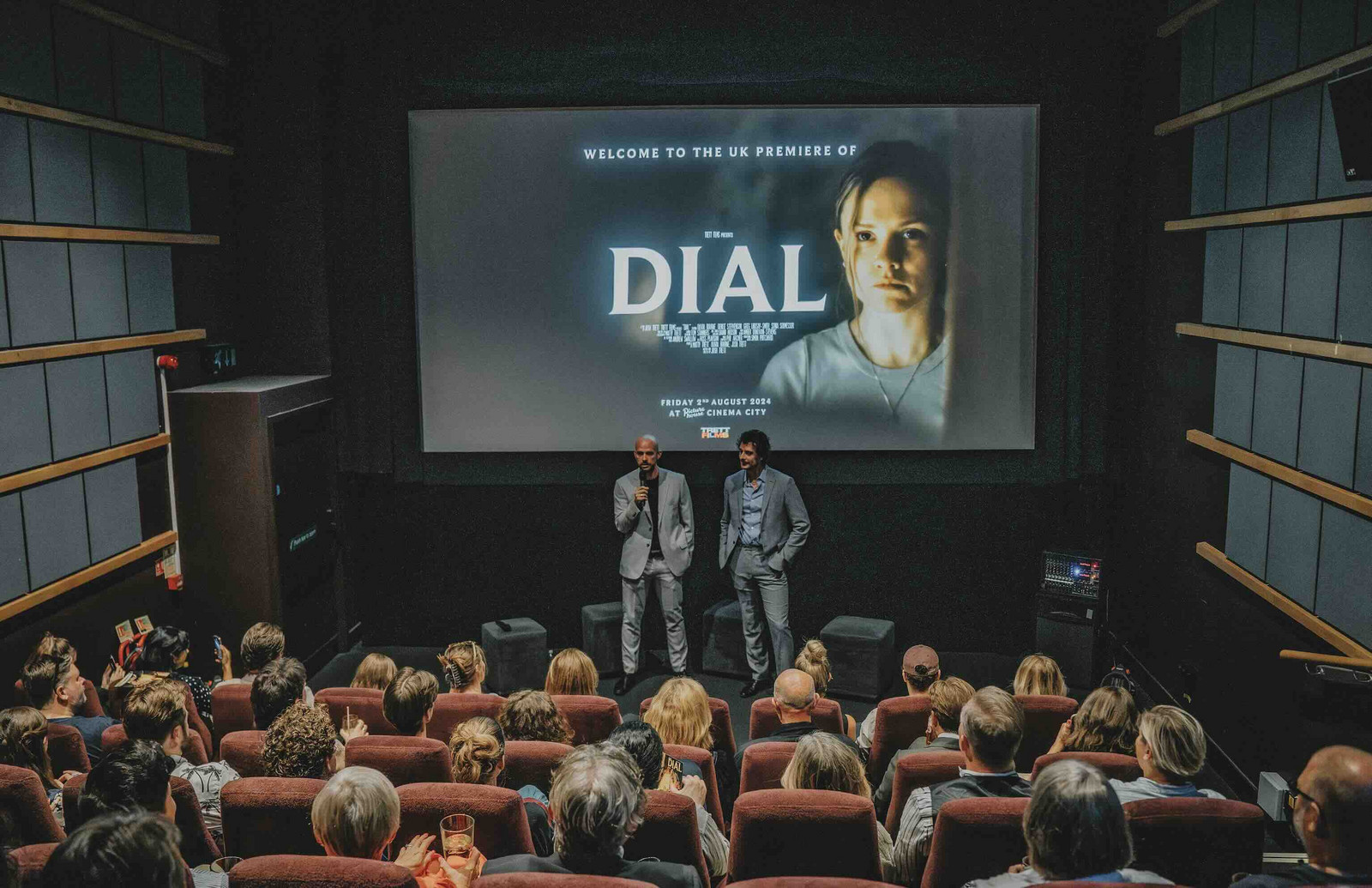
Trett Films
Trett Films
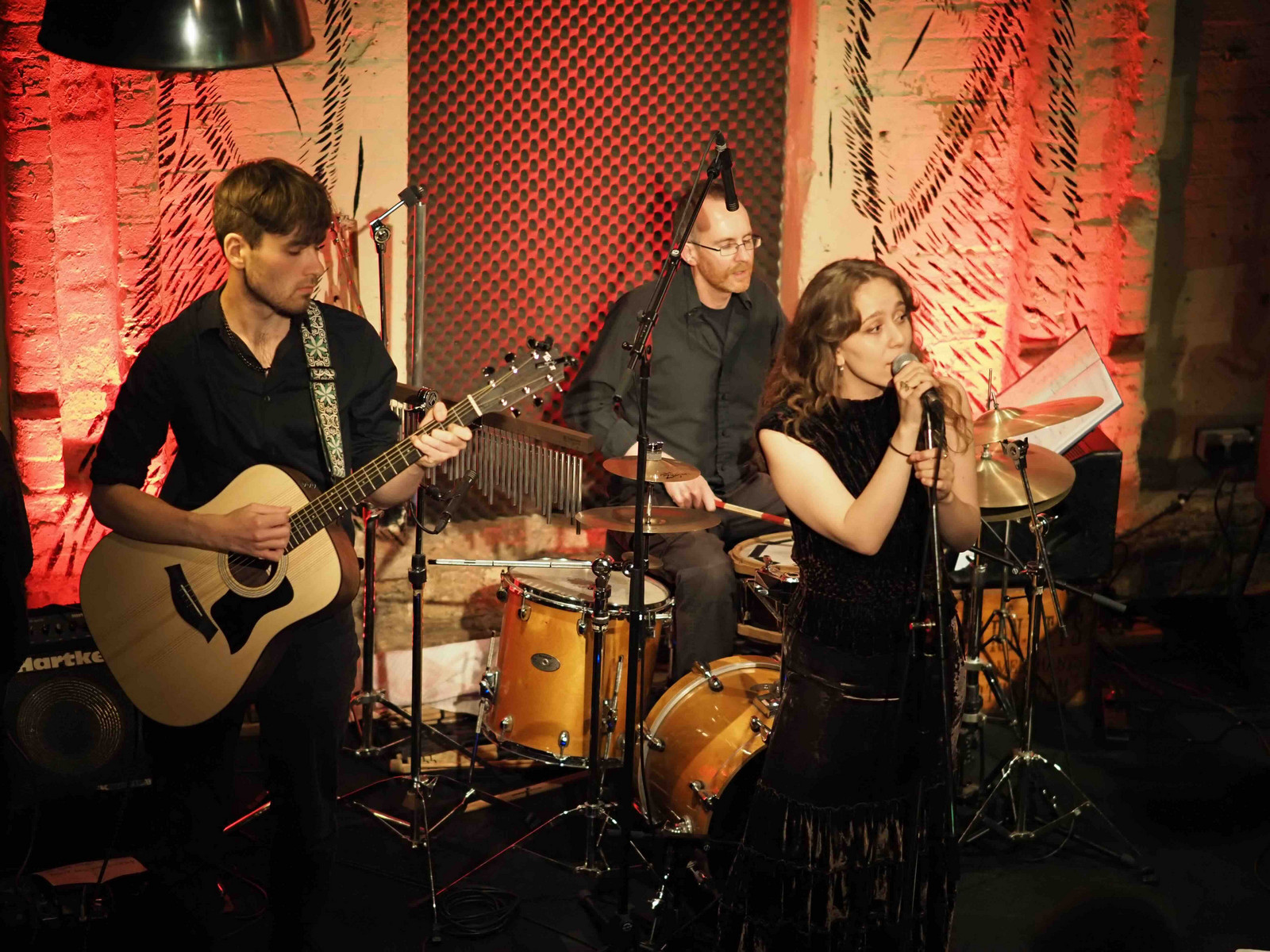
Eliza Delf and The Wilderness
Eliza Delf and The Wilderness
Tori Woolley
Tori Woolley
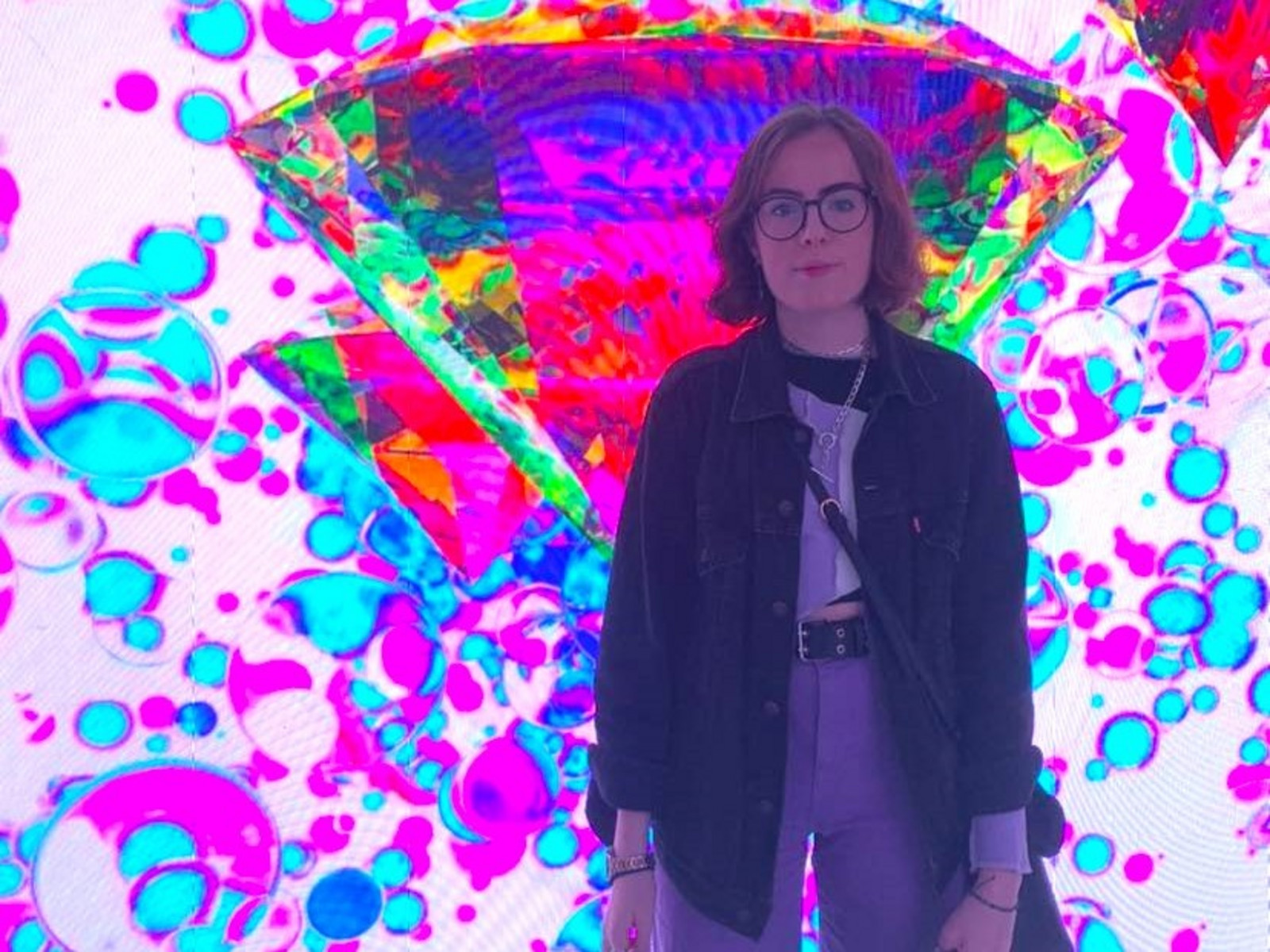
Emma Reed
Emma Reed
A few weeks ago, I caught up with local Graphic Designer Emma Reed to discover their journey as an artist, where they look for inspiration for their brilliant work, as well as their plans for the rest of the year!